Compare commits
663 Commits
| Author | SHA1 | Date | |
|---|---|---|---|

|
ff16348d4c | ||
|
|
7310f4d85b | ||
|
|
ac331504e9 | ||
|
|
6823f76ff4 | ||
|
|
c3ac3219fe | ||
|
|
104ef7a0c2 | ||
|
|
2bbf8ed8a8 | ||
|
|
5dc6644ac7 | ||
|
|
9c0f97eaf7 | ||
|
|
164e7895bf | ||
|
|
fb46fb9ca3 | ||
|
|
effb7efc37 | ||
|
|
f5098e7e45 | ||
|
|
b15d632308 | ||
|
|
e534efa3e9 | ||
|
|
8001314718 | ||
|
|
e91ac4c5ad | ||
|
|
e19bdcb97d | ||
|
|
b8aa46a767 | ||
|
|
ab79ee32fd | ||
|
|
8d9c49a281 | ||
|
|
e659b60d8b | ||
|
|
7987bfee39 | ||
|
|
b6075f1a97 | ||
|
|
9820a69443 | ||
|
|
753118687d | ||
|
|
35e234ed6e | ||
|
|
2d54b096af | ||
|
|
493f046c03 | ||
|
|
3b6d1838b4 | ||
|
|
769ab940ed | ||
|
|
498a9e6e68 | ||
|
|
699be4887c | ||
|
|
854c58ded7 | ||
|
|
a19a4a5556 | ||
|
|
59e51f18fd | ||
|
|
7d981ba8ce | ||
|
|
6dad33f47c | ||
|
|
18c3925fa3 | ||
|
|
000e2666fb | ||
|
|
91ff331fec | ||
|
|
e3c7c0185d | ||
|
|
405650840e | ||
|
|
1bd188e0d2 | ||
|
|
9de7aa6377 | ||
|
|
d4c0a4248c | ||
|
|
c4167a5517 | ||
|
|
c055c35361 | ||
|
|
a318a226de | ||
|
|
e88cb2fea6 | ||
|
|
0ab072a95e | ||
|
|
5e8322b272 | ||
|
|
5a3b888f43 | ||
|
|
d7473edb41 | ||
|
|
d125c85a2b | ||
|
|
b46e663778 | ||
|
|
2787c9b0ef | ||
|
|
e77442cf34 | ||
|
|
322780a5f3 | ||
|
|
a54d34ea5b | ||
|
|
bc793749a5 | ||
|
|
a9916940ef | ||
|
|
b7f4931de5 | ||
|
|
327b728bef | ||
|
|
a9510eec88 | ||
|
|
d6db557f50 | ||
|
|
5ae56e3f72 | ||
|
|
1c9ebb59b1 | ||
|
|
f520ceeb0d | ||
|
|
0df4d2fd4b | ||
|
|
596491d932 | ||
|
|
72fb109147 | ||
|
|
40b336d2a5 | ||
|
|
5958df71a2 | ||
|
|
26d9af8367 | ||
|
|
cdaf2d41c7 | ||
|
|
d9ee104167 | ||
|
|
0b9eeb7cdb | ||
|
|
9b558ddc51 | ||
|
|
b857afe45b | ||
|
|
1d77c8de10 | ||
|
|
503f3a6372 | ||
|
|
d2fab55561 | ||
|
|
b955416458 | ||
|
|
18a2722e4d | ||
|
|
c7e8d55926 | ||
|
|
48698bf0b7 | ||
|
|
f79b3fc322 | ||
|
|
0b9e753c2f | ||
|
|
5b3f7be1c4 | ||
|
|
f2208f5f8e | ||
|
|
79b5248b83 | ||
|
|
d4791bef28 | ||
|
|
d861cb0d74 | ||
|
|
67f19f79c2 | ||
|
|
5f359b14f7 | ||
|
|
cda1900b14 | ||
|
|
c8c0a89dc6 | ||
|
|
9a10cc15f4 | ||
|
|
345f1eacde | ||
|
|
fa937bf3a7 | ||
|
|
172758020c | ||
|
|
5ff178084e | ||
|
|
c012e0ff8d | ||
|
|
f777c1c2e0 | ||
|
|
782ce22d99 | ||
|
|
f5246039e5 | ||
|
|
4736604b4d | ||
|
|
09cba0135e | ||
|
|
8119edb495 | ||
|
|
17bffb0803 | ||
|
|
cbe139fced | ||
|
|
946d8567fe | ||
|
|
7b5d5bdeef | ||
|
|
a1551bcf2b | ||
|
|
5495825b1d | ||
|
|
6e36f84cc6 | ||
|
|
cddf2d8f7c | ||
|
|
5f17e35c5a | ||
|
|
231a833ad0 | ||
|
|
a870295d42 | ||
|
|
ddda8f6bda | ||
|
|
bf7372fefa | ||
|
|
3451b6fc7a | ||
|
|
dbf2570353 | ||
|
|
d0707fac91 | ||
|
|
35ebdd6022 | ||
|
|
92a77e5cac | ||
|
|
a2922c9ad5 | ||
|
|
9f9b52dd26 | ||
|
|
2482c7ab68 | ||
|
|
7fdabda97e | ||
|
|
7306414de7 | ||
|
|
97d7bfb52a | ||
|
|
9f85a2a011 | ||
|
|
ab47d276db | ||
|
|
44e38b1d5e | ||
|
|
e9fa2bb556 | ||
|
|
183f466ac4 | ||
|
|
cc7b7e2b79 | ||
|
|
a17fa70b1b | ||
|
|
7b63b6f485 | ||
|
|
ed5d81fa1a | ||
|
|
c2d12b2de2 | ||
|
|
8966dc2f2f | ||
|
|
59ab1ef9f4 | ||
|
|
227cca00a2 | ||
|
|
16dab8e583 | ||
|
|
1c97b916d9 | ||
|
|
94b52cfd87 | ||
|
|
82b1db1711 | ||
|
|
638a8f03f0 | ||
|
|
dbce944934 | ||
|
|
f1ad137fb7 | ||
|
|
5eb1cff9b5 | ||
|
|
b074138e39 | ||
|
|
6ca051e5f3 | ||
|
|
fd87d930a7 | ||
|
|
95a9691a8b | ||
|
|
e2d6e2649e | ||
|
|
d3ff1bf01d | ||
|
|
d68b8cf6e4 | ||
|
|
6615ab2fba | ||
|
|
5e83a36009 | ||
|
|
51ee483e9d | ||
|
|
62f5b2fb2e | ||
|
|
6583f31459 | ||
|
|
217f5fc5ac | ||
|
|
297dc93fb4 | ||
|
|
86c6760f58 | ||
|
|
498e96a419 | ||
|
|
c0c59dc932 | ||
|
|
f3b3d321e5 | ||
|
|
67e4433dc2 | ||
|
|
4a7ae8df71 | ||
|
|
09f92122d5 | ||
|
|
8118b7b7d6 | ||
|
|
c93b85ac53 | ||
|
|
6378f6caec | ||
|
|
d824db82a3 | ||
|
|
de6b597eff | ||
|
|
6111d05219 | ||
|
|
f83c91d612 | ||
|
|
c8f360414e | ||
|
|
fa4393d77e | ||
|
|
25c314befc | ||
|
|
2fe79e68cd | ||
|
|
37d05a2365 | ||
|
|
0111d261a4 | ||
|
|
0a23e1dc13 | ||
|
|
ef5ff71346 | ||
|
|
1697b4cacb | ||
|
|
6b4710a8d1 | ||
|
|
6f2a8f08ba | ||
|
|
4e6abf596d | ||
|
|
9018e2ab6a | ||
|
|
99d023c5f3 | ||
|
|
da7d8256eb | ||
|
|
88bffaa0d0 | ||
|
|
1159140d9f | ||
|
|
5ac7050f7a | ||
|
|
8b513de64c | ||
|
|
144e6d203f | ||
|
|
2d2154ed65 | ||
|
|
2d086ab596 | ||
|
|
776c67cc0f | ||
|
|
78ef490646 | ||
|
|
4da5cc9778 | ||
|
|
6930656897 | ||
|
|
349753a013 | ||
|
|
f53a3a00e1 | ||
|
|
e2113fe417 | ||
|
|
f9288295e6 | ||
|
|
fcc57f2fc0 | ||
|
|
5cb6ee9eeb | ||
|
|
b38f0825e7 | ||
|
|
f51e94dede | ||
|
|
47bf93d291 | ||
|
|
41fd1c6124 | ||
|
|
be1b9a3994 | ||
|
|
61a196394b | ||
|
|
5b442e4350 | ||
|
|
c9920b9823 | ||
|
|
2faa2dbddb | ||
|
|
76607062f0 | ||
|
|
a8cac9b7e9 | ||
|
|
dfacc8832f | ||
|
|
93f643f851 | ||
|
|
cbf5d548be | ||
|
|
6946b89e17 | ||
|
|
dc4911b1ca | ||
|
|
6ad218f9a0 | ||
|
|
36efa172ee | ||
|
|
a7a2dfd296 | ||
|
|
7baaeacac3 | ||
|
|
021f2eb8a1 | ||
|
|
cb720143c7 | ||
|
|
731de2ff31 | ||
|
|
24e28da203 | ||
|
|
bde0a3e99c | ||
|
|
0415b9982b | ||
|
|
99ada42d97 | ||
|
|
ee32d36312 | ||
|
|
ef928ee3cb | ||
|
|
c66559345f | ||
|
|
3ad95d50d4 | ||
|
|
bc7f601f84 | ||
|
|
e8cbdb7881 | ||
|
|
b0c2b15a3e | ||
|
|
c0f04bbb37 | ||
|
|
c320fc655e | ||
|
|
ac2815c781 | ||
|
|
dd8a199e99 | ||
|
|
161c4a6856 | ||
|
|
67b04b30bf | ||
|
|
7696b45fc3 | ||
|
|
641921eb6c | ||
|
|
a02d2fb93e | ||
|
|
b93632a53a | ||
|
|
09938641cd | ||
|
|
7acf0b2107 | ||
|
|
4eb4073661 | ||
|
|
7b53457ef3 | ||
|
|
691b094a40 | ||
|
|
68e9e54c88 | ||
|
|
d0d99125c4 | ||
|
|
129000d01f | ||
|
|
47f9d026dd | ||
|
|
b75b0b5552 | ||
|
|
3dd6249f1e | ||
|
|
8451113039 | ||
|
|
a79b216875 | ||
|
|
52217c2f63 | ||
|
|
7edacf6e24 | ||
|
|
58558a1950 | ||
|
|
1607c85ae5 | ||
|
|
a6ff342948 | ||
|
|
d2eb54ebf8 | ||
|
|
a41bd18599 | ||
|
|
bb64c80964 | ||
|
|
2fb56f1f9f | ||
|
|
35676fe2f5 | ||
|
|
81ed6f177e | ||
|
|
4bcd1df6bb | ||
|
|
6fae56dd60 | ||
|
|
430f0e9013 | ||
|
|
d7f080a978 | ||
|
|
5d18f73654 | ||
|
|
57fc079267 | ||
|
|
706f4cd74a | ||
|
|
2e3646cc96 | ||
|
|
844cc515d5 | ||
|
|
f47904134b | ||
|
|
d72b00af3c | ||
|
|
bd053a98c7 | ||
|
|
c18208ca59 | ||
|
|
acbe5af8ce | ||
|
|
c81146505a | ||
|
|
6b9a1d4040 | ||
|
|
508fbd49e9 | ||
|
|
e18a6c6bb8 | ||
|
|
16237ef393 | ||
|
|
5332d02f36 | ||
|
|
7258120a0d | ||
|
|
8b7bc69ba1 | ||
|
|
5a807eb93f | ||
|
|
130682c93b | ||
|
|
02e29e4681 | ||
|
|
6943eb4463 | ||
|
|
939a18a4d2 | ||
|
|
ccbe415315 | ||
|
|
511af98dea | ||
|
|
a9d94112f5 | ||
|
|
1bca6029fe | ||
|
|
c027aa8bf6 | ||
|
|
ce7d86e0df | ||
|
|
5dfaf866c9 | ||
|
|
5b66e87621 | ||
|
|
851dd0f84f | ||
|
|
2188358f13 | ||
|
|
10997dd175 | ||
|
|
da9cc5f097 | ||
|
|
c005ec3f78 | ||
|
|
6018fe5872 | ||
|
|
bf0e70999e | ||
|
|
175d5b3dd6 | ||
|
|
9e61b8325b | ||
|
|
c4d76cde8f | ||
|
|
9c44fd8c4a | ||
|
|
f9f8c8f336 | ||
|
|
0fb3ccb9e9 | ||
|
|
0e5fd0be2c | ||
|
|
1b45daee49 | ||
|
|
9f384e3fc1 | ||
|
|
377f919d42 | ||
|
|
e6445afac5 | ||
|
|
095015d397 | ||
|
|
614183cbb1 | ||
|
|
0bc92a284d | ||
|
|
d3b6640b4a | ||
|
|
a1a48888c3 | ||
|
|
bb622bf747 | ||
|
|
946c56494e | ||
|
|
2a0e21ca76 | ||
|
|
ea893432e8 | ||
|
|
bf40956491 | ||
|
|
48948e1217 | ||
|
|
27412c89dd | ||
|
|
56f1d24e9d | ||
|
|
ab066a11a8 | ||
|
|
e35e81e554 | ||
|
|
551e48da4f | ||
|
|
21ce0aa17e | ||
|
|
2d6f2830e1 | ||
|
|
24ed8a2549 | ||
|
|
a336381849 | ||
|
|
208c3a780c | ||
|
|
1e112fa50a | ||
|
|
38fc5510ed | ||
|
|
1a1f4717aa | ||
|
|
977c6114ba | ||
|
|
27fddae286 | ||
|
|
615ac7f297 | ||
|
|
87d28e896d | ||
|
|
23f10418d7 | ||
|
|
27e7f48a44 | ||
|
|
7fd8850ddb | ||
|
|
7a4d3dd496 | ||
|
|
c1d7936689 | ||
|
|
1ec4da6947 | ||
|
|
8430c2f9af | ||
|
|
7cc6bccdec | ||
|
|
aeba64feaf | ||
|
|
04b4191de5 | ||
|
|
1da7473f26 | ||
|
|
95d13bd033 | ||
|
|
7eb4fcdaf4 | ||
|
|
809b4b227c | ||
|
|
ff51a2da9b | ||
|
|
be83681665 | ||
|
|
2bd30af72b | ||
|
|
d7b021061b | ||
|
|
73647f1669 | ||
|
|
d341cb3d5c | ||
|
|
30438410d6 | ||
|
|
b264ebabc0 | ||
|
|
2edc88e0a1 | ||
|
|
552dda46f8 | ||
|
|
2340a127d6 | ||
|
|
ecde504a79 | ||
|
|
0b781065d2 | ||
|
|
bcb57ce5f9 | ||
|
|
6392a8cdd0 | ||
|
|
34e3dd24b4 | ||
|
|
c303d3730c | ||
|
|
0a53ce17a2 | ||
|
|
7973651e05 | ||
|
|
672b150972 | ||
|
|
d8bcbd7d0a | ||
|
|
ff2f1477bb | ||
|
|
1139073297 | ||
|
|
39deac2747 | ||
|
|
0a35868367 | ||
|
|
608f869789 | ||
|
|
c30bd1a18e | ||
|
|
20a81af95f | ||
|
|
531c70b476 | ||
|
|
dae0aedc99 | ||
|
|
5fde03f4b0 | ||
|
|
48f53b529b | ||
|
|
4d9b0c6138 | ||
|
|
70cabec876 | ||
|
|
60423376cf | ||
|
|
22c646294a | ||
|
|
10b317cf34 | ||
|
|
03f0c44cac | ||
|
|
caa0e5db8d | ||
|
|
b862e464f8 | ||
|
|
3d5257592b | ||
|
|
ff76715cd2 | ||
|
|
cdb0a9c953 | ||
|
|
b0acae81b0 | ||
|
|
afc616d263 | ||
|
|
e066b4dcb1 | ||
|
|
9ea495902e | ||
|
|
d786c367b4 | ||
|
|
a391004432 | ||
|
|
dd97a2674d | ||
|
|
437c4c91bc | ||
|
|
575f1f98b0 | ||
|
|
2ee6ab6332 | ||
|
|
3d862538d2 | ||
|
|
4bd36e0460 | ||
|
|
7fbf0f1988 | ||
|
|
066127013b | ||
|
|
f675208d72 | ||
|
|
36aa69cf66 | ||
|
|
66b77ffd08 | ||
|
|
d2a3e4869a | ||
|
|
a2dc7c7f31 | ||
|
|
55ac69776a | ||
|
|
7a7c9b0076 | ||
|
|
77d40230a8 | ||
|
|
e4556040a8 | ||
|
|
755b3934a4 | ||
|
|
2d77fb72a5 | ||
|
|
106b0df42e | ||
|
|
c31ac4cf7e | ||
|
|
7b309df0c5 | ||
|
|
326f524e7c | ||
|
|
315ad20111 | ||
|
|
b1daf17a61 | ||
|
|
9db99befb6 | ||
|
|
aebc443b62 | ||
|
|
2c0e5586e8 | ||
|
|
25f7557751 | ||
|
|
59ebf7b762 | ||
|
|
1abe9db8e0 | ||
|
|
e4363f9ed8 | ||
|
|
e00b545548 | ||
|
|
1aa32c2036 | ||
|
|
65824ef814 | ||
|
|
d17bc33bfb | ||
|
|
d874ac92b4 | ||
|
|
0362449fe4 | ||
|
|
0d4c062487 | ||
|
|
ec622022f9 | ||
|
|
e9adc3fa4e | ||
|
|
5bc63a321c | ||
|
|
6317380c8d | ||
|
|
a7f007f475 | ||
|
|
fcffc4a898 | ||
|
|
8ed4c66117 | ||
|
|
38486223b2 | ||
|
|
ac5e7d2b1e | ||
|
|
cf4138f385 | ||
|
|
af7803e94b | ||
|
|
10b631bfb4 | ||
|
|
76f1c194dc | ||
|
|
0c9bc95dfc | ||
|
|
6f0d19d916 | ||
|
|
427d3169b6 | ||
|
|
0fc828c816 | ||
|
|
2d97177eff | ||
|
|
33dfcc700b | ||
|
|
09c8193c8f | ||
|
|
4f4128075f | ||
|
|
9ab3e67ba2 | ||
|
|
ed31860071 | ||
|
|
ddb84cc16d | ||
|
|
5b59e450f7 | ||
|
|
a6c3b1f1d4 | ||
|
|
bf6b09b9f5 | ||
|
|
c95eed3fe0 | ||
|
|
9d7cdd56b5 | ||
|
|
0d70302963 | ||
|
|
32a09660b4 | ||
|
|
0612097f81 | ||
|
|
b0c373b6af | ||
|
|
4839cdf261 | ||
|
|
5977c442b1 | ||
|
|
d05dcac16f | ||
|
|
2cdfe459be | ||
|
|
721b27d222 | ||
|
|
be2def3fc8 | ||
|
|
7259dba90d | ||
|
|
ef5bfcb48b | ||
|
|
446baff697 | ||
|
|
bcf701b287 | ||
|
|
22ab99cbd6 | ||
|
|
98ee60e06f | ||
|
|
a3abdb5d19 | ||
|
|
e3ebeb9dde | ||
|
|
646ed4f132 | ||
|
|
128ce91951 | ||
|
|
aa0eb02968 | ||
|
|
637bd885cf | ||
|
|
337afe228f | ||
|
|
4541835487 | ||
|
|
04d9603449 | ||
|
|
671a8d0180 | ||
|
|
3950878690 | ||
|
|
eaac627600 | ||
|
|
35f8919e73 | ||
|
|
cb5a528550 | ||
|
|
1f95d7b982 | ||
|
|
46971ee985 | ||
|
|
e67009ee2e | ||
|
|
9d3da98251 | ||
|
|
b94de6e947 | ||
|
|
f8a1d4f414 | ||
|
|
7deb268de8 | ||
|
|
47b5cbd211 | ||
|
|
a4e9b9ccfe | ||
|
|
99be4f5a61 | ||
|
|
ba28ab1680 | ||
|
|
e51b8aadae | ||
|
|
33354aa07e | ||
|
|
730b71fad8 | ||
|
|
364cf216a0 | ||
|
|
3cb48ac562 | ||
|
|
ea65283023 | ||
|
|
d2003cc32d | ||
|
|
1766e27337 | ||
|
|
442c324243 | ||
|
|
3134711240 | ||
|
|
546fc965f8 | ||
|
|
9ab45d9118 | ||
|
|
b1ae86757b | ||
|
|
42eeec5897 | ||
|
|
c12283bb16 | ||
|
|
b856b21fc6 | ||
|
|
72a0d1edef | ||
|
|
c0a0e01cf6 | ||
|
|
78bf008c36 | ||
|
|
5857c22daf | ||
|
|
5f73ba1371 | ||
|
|
4c09835abc | ||
|
|
0a025901c5 | ||
|
|
9768e4518f | ||
|
|
1f802ccb5a | ||
|
|
e1306a8e6a | ||
|
|
997c906b5f | ||
|
|
2530196cf8 | ||
|
|
340bea3271 | ||
|
|
3df3bba756 | ||
|
|
a9863fe670 | ||
|
|
7b49b4e985 | ||
|
|
577db88f8e | ||
|
|
01a2e650a4 | ||
|
|
cd9f7931c9 | ||
|
|
2b04ae4e4a | ||
|
|
cd0b82e794 | ||
|
|
0ddcffe601 | ||
|
|
712d106a44 | ||
|
|
34c5560cb0 | ||
|
|
dcba1488a6 | ||
|
|
8e4b156f11 | ||
|
|
ab98c3bd28 | ||
|
|
7f98a99e90 | ||
|
|
101b80c234 | ||
|
|
44598babcb | ||
|
|
51edfb4604 | ||
|
|
12d6fa1494 | ||
|
|
99a15ac2ae | ||
|
|
093a9c8174 | ||
|
|
464dfc4e67 | ||
|
|
1c7f9826b4 | ||
|
|
e397a49c23 | ||
|
|
8c925237e7 | ||
|
|
0593d52b91 | ||
|
|
7b7d714109 | ||
|
|
e9aa87f62b | ||
|
|
8f5d735b2f | ||
|
|
e24f4867df | ||
|
|
ef024ca106 | ||
|
|
4c519d9d98 | ||
|
|
94cb96b288 | ||
|
|
108a0d36b7 | ||
|
|
efb097a76b | ||
|
|
af03042852 | ||
|
|
21667bc7e1 | ||
|
|
19b6c15fff | ||
|
|
3ef502024d | ||
|
|
e55cee7372 | ||
|
|
b72eb838c2 | ||
|
|
b21191dd55 | ||
|
|
76b17a8d04 | ||
|
|
e97d1a0cf8 | ||
|
|
c875d887b7 | ||
|
|
44d9cbca81 | ||
|
|
6e399101fd | ||
|
|
e8e3617ba6 | ||
|
|
45fa30c007 | ||
|
|
15768d9c4d | ||
|
|
a1fcaa398c | ||
|
|
871643d98d | ||
|
|
91659d6488 | ||
|
|
0076ea7bff | ||
|
|
e79da7bc05 | ||
|
|
00206a62ab | ||
|
|
d0b0a33be3 | ||
|
|
6ea21e95b6 | ||
|
|
c226dafd0d | ||
|
|
d4c21a23f4 | ||
|
|
b76ae5b921 | ||
|
|
b48e5af9a0 | ||
|
|
d36c2a74cb | ||
|
|
a1e0596450 | ||
|
|
596e243374 | ||
|
|
326ad08ba2 | ||
|
|
f63d4edbb4 | ||
|
|
0057ed6786 | ||
|
|
44b6bcbcaa | ||
|
|
a45c82c5f7 | ||
|
|
98133a4eb6 | ||
|
|
44c2fd223d | ||
|
|
fc249eefda | ||
|
|
1a1eb4e7aa | ||
|
|
723fdc6245 | ||
|
|
43a47b8bdf | ||
|
|
ab5647145f | ||
|
|
856981e0ed | ||
|
|
09bec0e28b | ||
|
|
2f0bf3b325 | ||
|
|
51278424c1 | ||
|
|
bfe26de026 | ||
|
|
db100439cb | ||
|
|
c37f54c86f | ||
|
|
e0262d9712 | ||
|
|
63fb5a22be | ||
|
|
05dda59cf6 | ||
|
|
5628bcca78 | ||
|
|
6042d9a7d8 | ||
|
|
144239394d | ||
|
|
d712ee8451 | ||
|
|
a8c1348235 | ||
|
|
148d9202bf | ||
|
|
44442e6407 | ||
|
|
c78237cb86 | ||
|
|
8fc0f33dd5 | ||
|
|
2010702880 | ||
|
|
29c31a2404 |
BIN
.cache/plugin/social/0b649b356e60b558dfaafe8bb095862e.png
Normal file

|
After Width: | Height: | Size: 28 KiB |
BIN
.cache/plugin/social/0cce129b2747506603c430fd3fe2b3d6.png
Normal file

|
After Width: | Height: | Size: 36 KiB |
BIN
.cache/plugin/social/0f18d6e26b8551d3f42ef92b0f786024.png
Normal file

|
After Width: | Height: | Size: 37 KiB |
BIN
.cache/plugin/social/14c48b40955d6021b47ae973d9aef723.png
Normal file

|
After Width: | Height: | Size: 27 KiB |
BIN
.cache/plugin/social/17484ad7f45b09a1db146ba3ad3df79a.png
Normal file

|
After Width: | Height: | Size: 42 KiB |
BIN
.cache/plugin/social/1d935acb34360e4768e35ae13479bbf9.png
Normal file

|
After Width: | Height: | Size: 44 KiB |
BIN
.cache/plugin/social/216220c022e734cc7999210b48c9fb59.png
Normal file

|
After Width: | Height: | Size: 45 KiB |
BIN
.cache/plugin/social/246dcba6c47283feac354f5871842fe8.png
Normal file

|
After Width: | Height: | Size: 48 KiB |
BIN
.cache/plugin/social/259ba94ac7e93bd9f968c57ec4a15fe5.png
Normal file

|
After Width: | Height: | Size: 35 KiB |
BIN
.cache/plugin/social/288fd82ce2209be4864d19bd50b21474.png
Normal file

|
After Width: | Height: | Size: 23 KiB |
BIN
.cache/plugin/social/28a844df4871a1cdfcba05fdc87bb3e8.png
Normal file

|
After Width: | Height: | Size: 43 KiB |
BIN
.cache/plugin/social/40770a96ef2fb657a7aa16a9facf702f.png
Normal file

|
After Width: | Height: | Size: 39 KiB |
BIN
.cache/plugin/social/4747e68a5e5c0f0994cdc5b37682a37c.png
Normal file

|
After Width: | Height: | Size: 30 KiB |
BIN
.cache/plugin/social/4809f4ae19b6e78539b900da82d8a1f6.png
Normal file

|
After Width: | Height: | Size: 27 KiB |
BIN
.cache/plugin/social/481b171eb3fe3dec67ca86d2d923f598.png
Normal file

|
After Width: | Height: | Size: 24 KiB |
BIN
.cache/plugin/social/4ae47a8f7da894db700b2f29242cd0c5.png
Normal file

|
After Width: | Height: | Size: 44 KiB |
BIN
.cache/plugin/social/4c1fb3bfd02d6b1317779fe5101058a7.png
Normal file

|
After Width: | Height: | Size: 25 KiB |
BIN
.cache/plugin/social/56e240bc0124af182495bc59877d8d11.png
Normal file

|
After Width: | Height: | Size: 49 KiB |
BIN
.cache/plugin/social/5d2431971fcde0af2c84e4680a4227a7.png
Normal file

|
After Width: | Height: | Size: 18 KiB |
BIN
.cache/plugin/social/69bcd9a2304ea69e1244a7ac510dd98d.png
Normal file

|
After Width: | Height: | Size: 35 KiB |
BIN
.cache/plugin/social/6b49f5ef597c15cabc3df9bac4fbcf44.png
Normal file

|
After Width: | Height: | Size: 34 KiB |
BIN
.cache/plugin/social/7296e2d6c7b2c713ed7b2e4546e3acdb.png
Normal file

|
After Width: | Height: | Size: 42 KiB |
BIN
.cache/plugin/social/805d7c5662a45ca18b52554eecbc34af.png
Normal file

|
After Width: | Height: | Size: 30 KiB |
BIN
.cache/plugin/social/80f1492950494de7a34a1f20f6dd4368.png
Normal file

|
After Width: | Height: | Size: 30 KiB |
BIN
.cache/plugin/social/834ad7f8096fa4c92637b815777bf2bd.png
Normal file

|
After Width: | Height: | Size: 33 KiB |
BIN
.cache/plugin/social/8b089bdf12d22c016f481d654be39eb1.png
Normal file

|
After Width: | Height: | Size: 39 KiB |
BIN
.cache/plugin/social/96f1c198bf51f822eb04a25adf7ca20c.png
Normal file

|
After Width: | Height: | Size: 39 KiB |
BIN
.cache/plugin/social/9f88e9bd3010b149e527e0600c2e438c.png
Normal file

|
After Width: | Height: | Size: 45 KiB |
BIN
.cache/plugin/social/Roboto-Black.ttf
Normal file
BIN
.cache/plugin/social/Roboto-BlackItalic.ttf
Normal file
BIN
.cache/plugin/social/Roboto-Bold.ttf
Normal file
BIN
.cache/plugin/social/Roboto-BoldItalic.ttf
Normal file
BIN
.cache/plugin/social/Roboto-Italic.ttf
Normal file
BIN
.cache/plugin/social/Roboto-Light.ttf
Normal file
BIN
.cache/plugin/social/Roboto-LightItalic.ttf
Normal file
BIN
.cache/plugin/social/Roboto-Medium.ttf
Normal file
BIN
.cache/plugin/social/Roboto-MediumItalic.ttf
Normal file
BIN
.cache/plugin/social/Roboto-Regular.ttf
Normal file
BIN
.cache/plugin/social/Roboto-Thin.ttf
Normal file
BIN
.cache/plugin/social/Roboto-ThinItalic.ttf
Normal file
BIN
.cache/plugin/social/a0c21e9a7250afebc533da92c7050bed.png
Normal file

|
After Width: | Height: | Size: 34 KiB |
BIN
.cache/plugin/social/a19c79f0bc7a3e5ffc6b511a68273e5d.png
Normal file

|
After Width: | Height: | Size: 44 KiB |
BIN
.cache/plugin/social/a1d83c5e1feb928b579ad122a8d3786d.png
Normal file

|
After Width: | Height: | Size: 52 KiB |
BIN
.cache/plugin/social/a3d8476a7b5c6630a5f91aed8c210173.png
Normal file

|
After Width: | Height: | Size: 40 KiB |
BIN
.cache/plugin/social/ac9c4b6558565d4c349355101e95c74a.png
Normal file

|
After Width: | Height: | Size: 29 KiB |
BIN
.cache/plugin/social/b417e4353162a563e70f1350a2777e2c.png
Normal file

|
After Width: | Height: | Size: 40 KiB |
BIN
.cache/plugin/social/b84a1e5d0534be3c31f04a7d4a98b515.png
Normal file

|
After Width: | Height: | Size: 29 KiB |
BIN
.cache/plugin/social/bca675d7c3c82f52ebd329487fb9ade1.png
Normal file

|
After Width: | Height: | Size: 40 KiB |
BIN
.cache/plugin/social/bdf46ef3b5230ebb45ef648933f54fa2.png
Normal file

|
After Width: | Height: | Size: 47 KiB |
BIN
.cache/plugin/social/beacb748aad822c66a972b39186dbef1.png
Normal file

|
After Width: | Height: | Size: 17 KiB |
BIN
.cache/plugin/social/caa7abb72303dbe5a02ec11e6f1eba6b.png
Normal file

|
After Width: | Height: | Size: 18 KiB |
BIN
.cache/plugin/social/cff5eb5aae0959e143c12945428558bc.png
Normal file

|
After Width: | Height: | Size: 21 KiB |
BIN
.cache/plugin/social/d01b95e8266a0d2c5f825b88d98a97a1.png
Normal file

|
After Width: | Height: | Size: 55 KiB |
BIN
.cache/plugin/social/d7db21df76b132d3ca3ae4313e23f77d.png
Normal file

|
After Width: | Height: | Size: 29 KiB |
BIN
.cache/plugin/social/d87db72302152f8c0953d7105c28a206.png
Normal file

|
After Width: | Height: | Size: 36 KiB |
BIN
.cache/plugin/social/e580fe32a1d3f15fc89057d053ae3e52.png
Normal file

|
After Width: | Height: | Size: 39 KiB |
BIN
.cache/plugin/social/e9111c93e01f7c1dfec7bbab69843076.png
Normal file

|
After Width: | Height: | Size: 28 KiB |
BIN
.cache/plugin/social/ebf70df39c2bfd2c4a89d70846a516ff.png
Normal file

|
After Width: | Height: | Size: 44 KiB |
BIN
.cache/plugin/social/ed5690e7952bdee0372c8d3f1f5d98d7.png
Normal file

|
After Width: | Height: | Size: 39 KiB |
BIN
.cache/plugin/social/f6d08b81ae945faa6c4a436de48d2da6.png
Normal file

|
After Width: | Height: | Size: 28 KiB |
BIN
.cache/plugin/social/f875c8d6b0cd71d9ae38300c82361d77.png
Normal file

|
After Width: | Height: | Size: 37 KiB |
BIN
.cache/plugin/social/fc9a9f44881519178d4000f24000ef9d.png
Normal file

|
After Width: | Height: | Size: 33 KiB |
14
.editorconfig
Normal file
@@ -0,0 +1,14 @@
|
||||
# .editorconfig
|
||||
root = true
|
||||
|
||||
# All files
|
||||
[*]
|
||||
charset = utf-8
|
||||
end_of_line = lf
|
||||
insert_final_newline = true
|
||||
trim_trailing_whitespace = true
|
||||
|
||||
# Python files
|
||||
[*.py]
|
||||
indent_style = space
|
||||
indent_size = 2
|
||||
116
.github/ISSUE_TEMPLATE/bug_report.yml
vendored
Normal file
@@ -0,0 +1,116 @@
|
||||
name: Bug report
|
||||
description: Create a report to help us improve CrewAI
|
||||
title: "[BUG]"
|
||||
labels: ["bug"]
|
||||
assignees: []
|
||||
body:
|
||||
- type: textarea
|
||||
id: description
|
||||
attributes:
|
||||
label: Description
|
||||
description: Provide a clear and concise description of what the bug is.
|
||||
validations:
|
||||
required: true
|
||||
- type: textarea
|
||||
id: steps-to-reproduce
|
||||
attributes:
|
||||
label: Steps to Reproduce
|
||||
description: Provide a step-by-step process to reproduce the behavior.
|
||||
placeholder: |
|
||||
1. Go to '...'
|
||||
2. Click on '....'
|
||||
3. Scroll down to '....'
|
||||
4. See error
|
||||
validations:
|
||||
required: true
|
||||
- type: textarea
|
||||
id: expected-behavior
|
||||
attributes:
|
||||
label: Expected behavior
|
||||
description: A clear and concise description of what you expected to happen.
|
||||
validations:
|
||||
required: true
|
||||
- type: textarea
|
||||
id: screenshots-code
|
||||
attributes:
|
||||
label: Screenshots/Code snippets
|
||||
description: If applicable, add screenshots or code snippets to help explain your problem.
|
||||
validations:
|
||||
required: true
|
||||
- type: dropdown
|
||||
id: os
|
||||
attributes:
|
||||
label: Operating System
|
||||
description: Select the operating system you're using
|
||||
options:
|
||||
- Ubuntu 20.04
|
||||
- Ubuntu 22.04
|
||||
- Ubuntu 24.04
|
||||
- macOS Catalina
|
||||
- macOS Big Sur
|
||||
- macOS Monterey
|
||||
- macOS Ventura
|
||||
- macOS Sonoma
|
||||
- Windows 10
|
||||
- Windows 11
|
||||
- Other (specify in additional context)
|
||||
validations:
|
||||
required: true
|
||||
- type: dropdown
|
||||
id: python-version
|
||||
attributes:
|
||||
label: Python Version
|
||||
description: Version of Python your Crew is running on
|
||||
options:
|
||||
- '3.10'
|
||||
- '3.11'
|
||||
- '3.12'
|
||||
- '3.13'
|
||||
validations:
|
||||
required: true
|
||||
- type: input
|
||||
id: crewai-version
|
||||
attributes:
|
||||
label: crewAI Version
|
||||
description: What version of CrewAI are you using
|
||||
validations:
|
||||
required: true
|
||||
- type: input
|
||||
id: crewai-tools-version
|
||||
attributes:
|
||||
label: crewAI Tools Version
|
||||
description: What version of CrewAI Tools are you using
|
||||
validations:
|
||||
required: true
|
||||
- type: dropdown
|
||||
id: virtual-environment
|
||||
attributes:
|
||||
label: Virtual Environment
|
||||
description: What Virtual Environment are you running your crew in.
|
||||
options:
|
||||
- Venv
|
||||
- Conda
|
||||
- Poetry
|
||||
validations:
|
||||
required: true
|
||||
- type: textarea
|
||||
id: evidence
|
||||
attributes:
|
||||
label: Evidence
|
||||
description: Include relevant information, logs or error messages. These can be screenshots.
|
||||
validations:
|
||||
required: true
|
||||
- type: textarea
|
||||
id: possible-solution
|
||||
attributes:
|
||||
label: Possible Solution
|
||||
description: Have a solution in mind? Please suggest it here, or write "None".
|
||||
validations:
|
||||
required: true
|
||||
- type: textarea
|
||||
id: additional-context
|
||||
attributes:
|
||||
label: Additional context
|
||||
description: Add any other context about the problem here.
|
||||
validations:
|
||||
required: true
|
||||
1
.github/ISSUE_TEMPLATE/config.yml
vendored
Normal file
@@ -0,0 +1 @@
|
||||
blank_issues_enabled: false
|
||||
65
.github/ISSUE_TEMPLATE/feature_request.yml
vendored
Normal file
@@ -0,0 +1,65 @@
|
||||
name: Feature request
|
||||
description: Suggest a new feature for CrewAI
|
||||
title: "[FEATURE]"
|
||||
labels: ["feature-request"]
|
||||
assignees: []
|
||||
body:
|
||||
- type: markdown
|
||||
attributes:
|
||||
value: |
|
||||
Thanks for taking the time to fill out this feature request!
|
||||
- type: dropdown
|
||||
id: feature-area
|
||||
attributes:
|
||||
label: Feature Area
|
||||
description: Which area of CrewAI does this feature primarily relate to?
|
||||
options:
|
||||
- Core functionality
|
||||
- Agent capabilities
|
||||
- Task management
|
||||
- Integration with external tools
|
||||
- Performance optimization
|
||||
- Documentation
|
||||
- Other (please specify in additional context)
|
||||
validations:
|
||||
required: true
|
||||
- type: textarea
|
||||
id: problem
|
||||
attributes:
|
||||
label: Is your feature request related to a an existing bug? Please link it here.
|
||||
description: A link to the bug or NA if not related to an existing bug.
|
||||
validations:
|
||||
required: true
|
||||
- type: textarea
|
||||
id: solution
|
||||
attributes:
|
||||
label: Describe the solution you'd like
|
||||
description: A clear and concise description of what you want to happen.
|
||||
validations:
|
||||
required: true
|
||||
- type: textarea
|
||||
id: alternatives
|
||||
attributes:
|
||||
label: Describe alternatives you've considered
|
||||
description: A clear and concise description of any alternative solutions or features you've considered.
|
||||
validations:
|
||||
required: false
|
||||
- type: textarea
|
||||
id: context
|
||||
attributes:
|
||||
label: Additional context
|
||||
description: Add any other context, screenshots, or examples about the feature request here.
|
||||
validations:
|
||||
required: false
|
||||
- type: dropdown
|
||||
id: willingness-to-contribute
|
||||
attributes:
|
||||
label: Willingness to Contribute
|
||||
description: Would you be willing to contribute to the implementation of this feature?
|
||||
options:
|
||||
- Yes, I'd be happy to submit a pull request
|
||||
- I could provide more detailed specifications
|
||||
- I can test the feature once it's implemented
|
||||
- No, I'm just suggesting the idea
|
||||
validations:
|
||||
required: true
|
||||
10
.github/workflows/black.yml
vendored
@@ -1,10 +0,0 @@
|
||||
name: Lint
|
||||
|
||||
on: [push, pull_request]
|
||||
|
||||
jobs:
|
||||
lint:
|
||||
runs-on: ubuntu-latest
|
||||
steps:
|
||||
- uses: actions/checkout@v3
|
||||
- uses: psf/black@stable
|
||||
16
.github/workflows/linter.yml
vendored
Normal file
@@ -0,0 +1,16 @@
|
||||
name: Lint
|
||||
|
||||
on: [pull_request]
|
||||
|
||||
jobs:
|
||||
lint:
|
||||
runs-on: ubuntu-latest
|
||||
steps:
|
||||
- uses: actions/checkout@v3
|
||||
|
||||
- name: Install Requirements
|
||||
run: |
|
||||
pip install ruff
|
||||
|
||||
- name: Run Ruff Linter
|
||||
run: ruff check --exclude "templates","__init__.py"
|
||||
20
.github/workflows/mkdocs.yml
vendored
@@ -1,10 +1,8 @@
|
||||
name: Deploy MkDocs
|
||||
|
||||
on:
|
||||
workflow_dispatch:
|
||||
push:
|
||||
branches:
|
||||
- main
|
||||
release:
|
||||
types: [published]
|
||||
|
||||
permissions:
|
||||
contents: write
|
||||
@@ -22,11 +20,23 @@ jobs:
|
||||
with:
|
||||
python-version: '3.10'
|
||||
|
||||
- name: Calculate requirements hash
|
||||
id: req-hash
|
||||
run: echo "::set-output name=hash::$(sha256sum requirements-doc.txt | awk '{print $1}')"
|
||||
|
||||
- name: Setup cache
|
||||
uses: actions/cache@v3
|
||||
with:
|
||||
key: mkdocs-material-${{ steps.req-hash.outputs.hash }}
|
||||
path: .cache
|
||||
restore-keys: |
|
||||
mkdocs-material-
|
||||
|
||||
- name: Install Requirements
|
||||
run: |
|
||||
sudo apt-get update &&
|
||||
sudo apt-get install pngquant &&
|
||||
pip install mkdocs-material
|
||||
pip install mkdocs-material mkdocs-material-extensions pillow cairosvg
|
||||
|
||||
env:
|
||||
GH_TOKEN: ${{ secrets.GH_TOKEN }}
|
||||
|
||||
23
.github/workflows/security-checker.yml
vendored
Normal file
@@ -0,0 +1,23 @@
|
||||
name: Security Checker
|
||||
|
||||
on: [pull_request]
|
||||
|
||||
jobs:
|
||||
security-check:
|
||||
runs-on: ubuntu-latest
|
||||
|
||||
steps:
|
||||
- name: Checkout code
|
||||
uses: actions/checkout@v4
|
||||
|
||||
- name: Set up Python
|
||||
uses: actions/setup-python@v4
|
||||
with:
|
||||
python-version: "3.11.9"
|
||||
|
||||
- name: Install dependencies
|
||||
run: pip install bandit
|
||||
|
||||
- name: Run Bandit
|
||||
run: bandit -c pyproject.toml -r src/ -lll
|
||||
|
||||
27
.github/workflows/stale.yml
vendored
Normal file
@@ -0,0 +1,27 @@
|
||||
name: Mark stale issues and pull requests
|
||||
|
||||
on:
|
||||
schedule:
|
||||
- cron: '10 12 * * *'
|
||||
workflow_dispatch:
|
||||
|
||||
jobs:
|
||||
stale:
|
||||
runs-on: ubuntu-latest
|
||||
permissions:
|
||||
issues: write
|
||||
pull-requests: write
|
||||
steps:
|
||||
- uses: actions/stale@v9
|
||||
with:
|
||||
repo-token: ${{ secrets.GITHUB_TOKEN }}
|
||||
stale-issue-label: 'no-issue-activity'
|
||||
stale-issue-message: 'This issue is stale because it has been open for 30 days with no activity. Remove stale label or comment or this will be closed in 5 days.'
|
||||
close-issue-message: 'This issue was closed because it has been stalled for 5 days with no activity.'
|
||||
days-before-issue-stale: 30
|
||||
days-before-issue-close: 5
|
||||
stale-pr-label: 'no-pr-activity'
|
||||
stale-pr-message: 'This PR is stale because it has been open for 45 days with no activity.'
|
||||
days-before-pr-stale: 45
|
||||
days-before-pr-close: -1
|
||||
operations-per-run: 1200
|
||||
12
.github/workflows/tests.yml
vendored
@@ -1,6 +1,6 @@
|
||||
name: Run Tests
|
||||
|
||||
on: [push, pull_request]
|
||||
on: [pull_request]
|
||||
|
||||
permissions:
|
||||
contents: write
|
||||
@@ -11,21 +11,21 @@ env:
|
||||
jobs:
|
||||
deploy:
|
||||
runs-on: ubuntu-latest
|
||||
timeout-minutes: 15
|
||||
|
||||
steps:
|
||||
- name: Checkout code
|
||||
uses: actions/checkout@v2
|
||||
uses: actions/checkout@v4
|
||||
|
||||
- name: Setup Python
|
||||
uses: actions/setup-python@v4
|
||||
with:
|
||||
python-version: '3.10'
|
||||
python-version: "3.11.9"
|
||||
|
||||
- name: Install Requirements
|
||||
run: |
|
||||
sudo apt-get update &&
|
||||
pip install poetry &&
|
||||
poetry lock &&
|
||||
set -e
|
||||
pip install poetry
|
||||
poetry install
|
||||
|
||||
- name: Run tests
|
||||
|
||||
26
.github/workflows/type-checker.yml
vendored
Normal file
@@ -0,0 +1,26 @@
|
||||
name: Run Type Checks
|
||||
|
||||
on: [pull_request]
|
||||
|
||||
permissions:
|
||||
contents: write
|
||||
|
||||
jobs:
|
||||
type-checker:
|
||||
runs-on: ubuntu-latest
|
||||
|
||||
steps:
|
||||
- name: Checkout code
|
||||
uses: actions/checkout@v4
|
||||
|
||||
- name: Setup Python
|
||||
uses: actions/setup-python@v4
|
||||
with:
|
||||
python-version: "3.10"
|
||||
|
||||
- name: Install Requirements
|
||||
run: |
|
||||
pip install mypy
|
||||
|
||||
- name: Run type checks
|
||||
run: mypy src
|
||||
12
.gitignore
vendored
@@ -5,4 +5,14 @@ dist/
|
||||
.env
|
||||
assets/*
|
||||
.idea
|
||||
test.py
|
||||
test/
|
||||
docs_crew/
|
||||
chroma.sqlite3
|
||||
old_en.json
|
||||
db/
|
||||
test.py
|
||||
rc-tests/*
|
||||
*.pkl
|
||||
temp/*
|
||||
.vscode/*
|
||||
crew_tasks_output.json
|
||||
@@ -1,21 +1,9 @@
|
||||
repos:
|
||||
|
||||
- repo: https://github.com/psf/black-pre-commit-mirror
|
||||
rev: 23.12.1
|
||||
- repo: https://github.com/astral-sh/ruff-pre-commit
|
||||
rev: v0.4.4
|
||||
hooks:
|
||||
- id: black
|
||||
language_version: python3.11
|
||||
files: \.(py)$
|
||||
|
||||
- repo: https://github.com/pycqa/isort
|
||||
rev: 5.13.2
|
||||
hooks:
|
||||
- id: isort
|
||||
name: isort (python)
|
||||
args: ["--profile", "black", "--filter-files"]
|
||||
|
||||
- repo: https://github.com/PyCQA/autoflake
|
||||
rev: v2.2.1
|
||||
hooks:
|
||||
- id: autoflake
|
||||
args: ['--in-place', '--remove-all-unused-imports', '--remove-unused-variables', '--ignore-init-module-imports']
|
||||
- id: ruff
|
||||
args: ["--fix"]
|
||||
exclude: "templates"
|
||||
- id: ruff-format
|
||||
exclude: "templates"
|
||||
|
||||
251
README.md
@@ -1,71 +1,71 @@
|
||||
# crewAI
|
||||
<div align="center">
|
||||
|
||||

|
||||

|
||||
|
||||
🤖 Cutting-edge framework for orchestrating role-playing, autonomous AI agents. By fostering collaborative intelligence, CrewAI empowers agents to work together seamlessly, tackling complex tasks.
|
||||
# **crewAI**
|
||||
|
||||
- [crewAI](#crewai)
|
||||
- [Why CrewAI?](#why-crewai)
|
||||
- [Getting Started](#getting-started)
|
||||
- [Key Features](#key-features)
|
||||
- [Examples](#examples)
|
||||
- [Code](#code)
|
||||
- [Video](#video)
|
||||
- [Quick Tutorial](#quick-tutorial)
|
||||
- [Trip Planner](#trip-planner)
|
||||
- [Stock Analysis](#stock-analysis)
|
||||
- [Connecting Your Crew to a Model](#connecting-your-crew-to-a-model)
|
||||
- [How CrewAI Compares](#how-crewai-compares)
|
||||
- [Contribution](#contribution)
|
||||
- [Installing Dependencies](#installing-dependencies)
|
||||
- [Virtual Env](#virtual-env)
|
||||
- [Pre-commit hooks](#pre-commit-hooks)
|
||||
- [Running Tests](#running-tests)
|
||||
- [Packaging](#packaging)
|
||||
- [Installing Locally](#installing-locally)
|
||||
- [Hire CrewAI](#hire-crewai)
|
||||
- [License](#license)
|
||||
🤖 **crewAI**: Cutting-edge framework for orchestrating role-playing, autonomous AI agents. By fostering collaborative intelligence, CrewAI empowers agents to work together seamlessly, tackling complex tasks.
|
||||
|
||||
<h3>
|
||||
|
||||
[Homepage](https://www.crewai.com/) | [Documentation](https://docs.crewai.com/) | [Chat with Docs](https://chatg.pt/DWjSBZn) | [Examples](https://github.com/crewAIInc/crewAI-examples) | [Discourse](https://community.crewai.com)
|
||||
|
||||
</h3>
|
||||
|
||||
[](https://github.com/crewAIInc/crewAI)
|
||||
[](https://opensource.org/licenses/MIT)
|
||||
|
||||
</div>
|
||||
|
||||
## Table of contents
|
||||
|
||||
- [Why CrewAI?](#why-crewai)
|
||||
- [Getting Started](#getting-started)
|
||||
- [Key Features](#key-features)
|
||||
- [Examples](#examples)
|
||||
- [Quick Tutorial](#quick-tutorial)
|
||||
- [Write Job Descriptions](#write-job-descriptions)
|
||||
- [Trip Planner](#trip-planner)
|
||||
- [Stock Analysis](#stock-analysis)
|
||||
- [Connecting Your Crew to a Model](#connecting-your-crew-to-a-model)
|
||||
- [How CrewAI Compares](#how-crewai-compares)
|
||||
- [Contribution](#contribution)
|
||||
- [Telemetry](#telemetry)
|
||||
- [License](#license)
|
||||
|
||||
## Why CrewAI?
|
||||
|
||||
The power of AI collaboration has too much to offer.
|
||||
CrewAI is designed to enable AI agents to assume roles, share goals, and operate in a cohesive unit - much like a well-oiled crew. Whether you're building a smart assistant platform, an automated customer service ensemble, or a multi-agent research team, CrewAI provides the backbone for sophisticated multi-agent interactions.
|
||||
|
||||
- 🤖 [Talk with the Docs](https://chatg.pt/DWjSBZn)
|
||||
- 📄 [Documentation Wiki](https://joaomdmoura.github.io/crewAI/)
|
||||
|
||||
## Getting Started
|
||||
|
||||
To get started with CrewAI, follow these simple steps:
|
||||
|
||||
1. **Installation**:
|
||||
### 1. Installation
|
||||
|
||||
```shell
|
||||
pip install crewai
|
||||
```
|
||||
|
||||
The example below also uses duckduckgo, so also install that
|
||||
If you want to install the 'crewai' package along with its optional features that include additional tools for agents, you can do so by using the following command: pip install 'crewai[tools]'. This command installs the basic package and also adds extra components which require more dependencies to function."
|
||||
|
||||
```shell
|
||||
pip install duckduckgo-search
|
||||
pip install 'crewai[tools]'
|
||||
```
|
||||
|
||||
2. **Setting Up Your Crew**:
|
||||
### 2. Setting Up Your Crew
|
||||
|
||||
```python
|
||||
import os
|
||||
from crewai import Agent, Task, Crew, Process
|
||||
from crewai_tools import SerperDevTool
|
||||
|
||||
os.environ["OPENAI_API_KEY"] = "YOUR KEY"
|
||||
os.environ["OPENAI_API_KEY"] = "YOUR_API_KEY"
|
||||
os.environ["SERPER_API_KEY"] = "Your Key" # serper.dev API key
|
||||
|
||||
# You can choose to use a local model through Ollama for example. See ./docs/llm-connections.md for more information.
|
||||
# from langchain.llms import Ollama
|
||||
# ollama_llm = Ollama(model="openhermes")
|
||||
|
||||
# Install duckduckgo-search for this example:
|
||||
# !pip install -U duckduckgo-search
|
||||
|
||||
from langchain.tools import DuckDuckGoSearchRun
|
||||
search_tool = DuckDuckGoSearchRun()
|
||||
# It can be a local model through Ollama / LM Studio or a remote
|
||||
# model like OpenAI, Mistral, Antrophic or others (https://docs.crewai.com/how-to/LLM-Connections/)
|
||||
|
||||
# Define your agents with roles and goals
|
||||
researcher = Agent(
|
||||
@@ -73,37 +73,27 @@ researcher = Agent(
|
||||
goal='Uncover cutting-edge developments in AI and data science',
|
||||
backstory="""You work at a leading tech think tank.
|
||||
Your expertise lies in identifying emerging trends.
|
||||
You have a knack for dissecting complex data and presenting
|
||||
actionable insights.""",
|
||||
You have a knack for dissecting complex data and presenting actionable insights.""",
|
||||
verbose=True,
|
||||
allow_delegation=False,
|
||||
tools=[search_tool]
|
||||
# You can pass an optional llm attribute specifying what mode you wanna use.
|
||||
# It can be a local model through Ollama / LM Studio or a remote
|
||||
# model like OpenAI, Mistral, Antrophic or others (https://python.langchain.com/docs/integrations/llms/)
|
||||
#
|
||||
# Examples:
|
||||
# llm=ollama_llm # was defined above in the file
|
||||
# llm=OpenAI(model_name="gpt-3.5", temperature=0.7)
|
||||
# For the OpenAI model you would need to import
|
||||
# from langchain_openai import OpenAI
|
||||
# You can pass an optional llm attribute specifying what model you wanna use.
|
||||
# llm=ChatOpenAI(model_name="gpt-3.5", temperature=0.7),
|
||||
tools=[SerperDevTool()]
|
||||
)
|
||||
writer = Agent(
|
||||
role='Tech Content Strategist',
|
||||
goal='Craft compelling content on tech advancements',
|
||||
backstory="""You are a renowned Content Strategist, known for
|
||||
your insightful and engaging articles.
|
||||
backstory="""You are a renowned Content Strategist, known for your insightful and engaging articles.
|
||||
You transform complex concepts into compelling narratives.""",
|
||||
verbose=True,
|
||||
allow_delegation=True,
|
||||
# (optional) llm=ollama_llm
|
||||
allow_delegation=True
|
||||
)
|
||||
|
||||
# Create tasks for your agents
|
||||
task1 = Task(
|
||||
description="""Conduct a comprehensive analysis of the latest advancements in AI in 2024.
|
||||
Identify key trends, breakthrough technologies, and potential industry impacts.
|
||||
Your final answer MUST be a full analysis report""",
|
||||
Identify key trends, breakthrough technologies, and potential industry impacts.""",
|
||||
expected_output="Full analysis report in bullet points",
|
||||
agent=researcher
|
||||
)
|
||||
|
||||
@@ -111,8 +101,8 @@ task2 = Task(
|
||||
description="""Using the insights provided, develop an engaging blog
|
||||
post that highlights the most significant AI advancements.
|
||||
Your post should be informative yet accessible, catering to a tech-savvy audience.
|
||||
Make it sound cool, avoid complex words so it doesn't sound like AI.
|
||||
Your final answer MUST be the full blog post of at least 4 paragraphs.""",
|
||||
Make it sound cool, avoid complex words so it doesn't sound like AI.""",
|
||||
expected_output="Full blog post of at least 4 paragraphs",
|
||||
agent=writer
|
||||
)
|
||||
|
||||
@@ -120,7 +110,8 @@ task2 = Task(
|
||||
crew = Crew(
|
||||
agents=[researcher, writer],
|
||||
tasks=[task1, task2],
|
||||
verbose=2, # You can set it to 1 or 2 to different logging levels
|
||||
verbose=True,
|
||||
process = Process.sequential
|
||||
)
|
||||
|
||||
# Get your crew to work!
|
||||
@@ -130,52 +121,65 @@ print("######################")
|
||||
print(result)
|
||||
```
|
||||
|
||||
Currently the only supported process is `Process.sequential`, where one task is executed after the other and the outcome of one is passed as extra content into this next.
|
||||
|
||||
In addition to the sequential process, you can use the hierarchical process, which automatically assigns a manager to the defined crew to properly coordinate the planning and execution of tasks through delegation and validation of results. [See more about the processes here](https://docs.crewai.com/core-concepts/Processes/).
|
||||
|
||||
## Key Features
|
||||
|
||||
- **Role-Based Agent Design**: Customize agents with specific roles, goals, and tools.
|
||||
- **Autonomous Inter-Agent Delegation**: Agents can autonomously delegate tasks and inquire amongst themselves, enhancing problem-solving efficiency.
|
||||
- **Flexible Task Management**: Define tasks with customizable tools and assign them to agents dynamically.
|
||||
- **Processes Driven**: Currently only supports `sequential` task execution but more complex processes like consensual and hierarchical being worked on.
|
||||
- **Works with Open Source Models**: Run your crew using Open AI or open source models refer to the [Connect crewAI to LLMs](./docs/llm-connections.md) page for details on configuring you agents' connections to models, even ones running locally!
|
||||
- **Processes Driven**: Currently only supports `sequential` task execution and `hierarchical` processes, but more complex processes like consensual and autonomous are being worked on.
|
||||
- **Save output as file**: Save the output of individual tasks as a file, so you can use it later.
|
||||
- **Parse output as Pydantic or Json**: Parse the output of individual tasks as a Pydantic model or as a Json if you want to.
|
||||
- **Works with Open Source Models**: Run your crew using Open AI or open source models refer to the [Connect crewAI to LLMs](https://docs.crewai.com/how-to/LLM-Connections/) page for details on configuring your agents' connections to models, even ones running locally!
|
||||
|
||||

|
||||
|
||||
## Examples
|
||||
You can test different real life examples of AI crews [in the examples repo](https://github.com/joaomdmoura/crewAI-examples?tab=readme-ov-file)
|
||||
|
||||
### Code
|
||||
- [Trip Planner](https://github.com/joaomdmoura/crewAI-examples/tree/main/trip_planner)
|
||||
- [Stock Analysis](https://github.com/joaomdmoura/crewAI-examples/tree/main/stock_analysis)
|
||||
- [Landing Page Generator](https://github.com/joaomdmoura/crewAI-examples/tree/main/landing_page_generator)
|
||||
- [Having Human input on the execution](./docs/how-to/Human-Input-on-Execution.md)
|
||||
You can test different real life examples of AI crews in the [crewAI-examples repo](https://github.com/crewAIInc/crewAI-examples?tab=readme-ov-file):
|
||||
|
||||
### Video
|
||||
#### Quick Tutorial
|
||||
[](https://www.youtube.com/watch?v=tnejrr-0a94 "CrewAI Tutorial")
|
||||
- [Landing Page Generator](https://github.com/crewAIInc/crewAI-examples/tree/main/landing_page_generator)
|
||||
- [Having Human input on the execution](https://docs.crewai.com/how-to/Human-Input-on-Execution)
|
||||
- [Trip Planner](https://github.com/crewAIInc/crewAI-examples/tree/main/trip_planner)
|
||||
- [Stock Analysis](https://github.com/crewAIInc/crewAI-examples/tree/main/stock_analysis)
|
||||
|
||||
#### Trip Planner
|
||||
[](https://www.youtube.com/watch?v=xis7rWp-hjs "Trip Planner")
|
||||
### Quick Tutorial
|
||||
|
||||
#### Stock Analysis
|
||||
[](https://www.youtube.com/watch?v=e0Uj4yWdaAg "Stock Analysis")
|
||||
[](https://www.youtube.com/watch?v=tnejrr-0a94 "CrewAI Tutorial")
|
||||
|
||||
### Write Job Descriptions
|
||||
|
||||
[Check out code for this example](https://github.com/crewAIInc/crewAI-examples/tree/main/job-posting) or watch a video below:
|
||||
|
||||
[](https://www.youtube.com/watch?v=u98wEMz-9to "Jobs postings")
|
||||
|
||||
### Trip Planner
|
||||
|
||||
[Check out code for this example](https://github.com/crewAIInc/crewAI-examples/tree/main/trip_planner) or watch a video below:
|
||||
|
||||
[](https://www.youtube.com/watch?v=xis7rWp-hjs "Trip Planner")
|
||||
|
||||
### Stock Analysis
|
||||
|
||||
[Check out code for this example](https://github.com/crewAIInc/crewAI-examples/tree/main/stock_analysis) or watch a video below:
|
||||
|
||||
[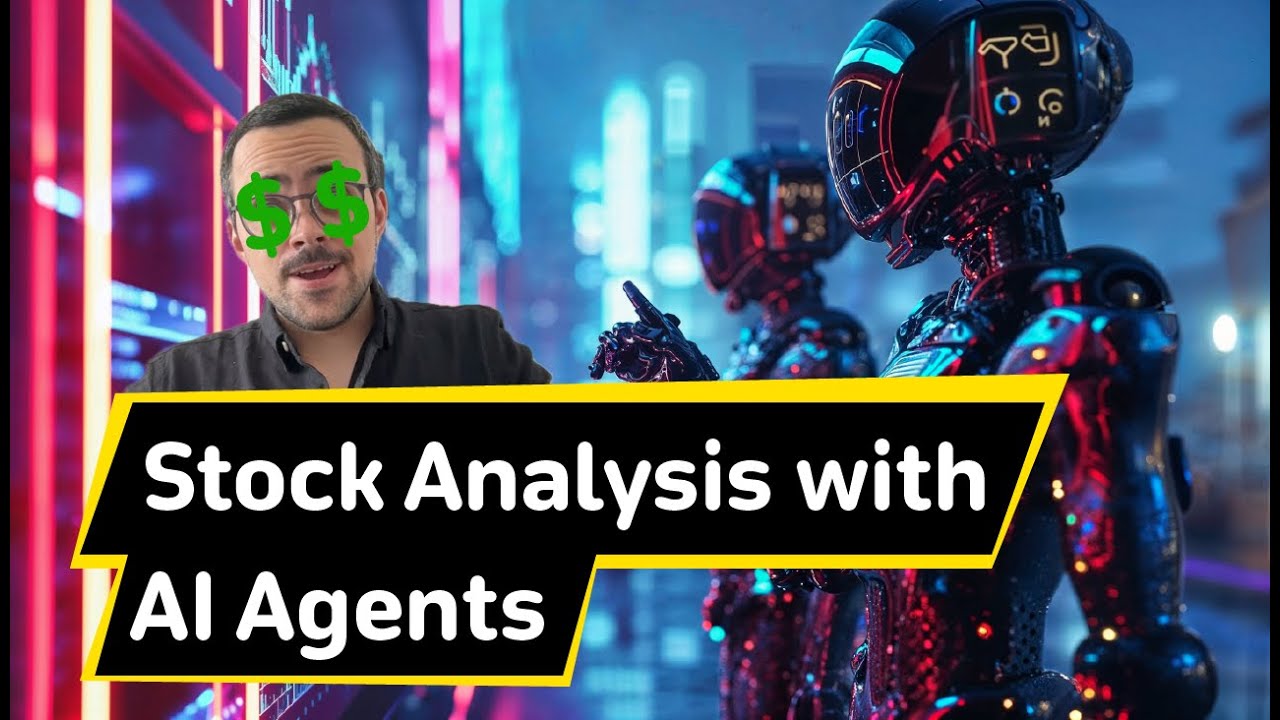](https://www.youtube.com/watch?v=e0Uj4yWdaAg "Stock Analysis")
|
||||
|
||||
## Connecting Your Crew to a Model
|
||||
|
||||
crewAI supports using various LLMs through a variety of connection options. By default your agents will use the OpenAI API when querying the model. However, there are several other ways to allow your agents to connect to models. For example, you can configure your agents to use a local model via the Ollama tool.
|
||||
|
||||
Please refer to the [Connect crewAI to LLMs](./docs/how-to/llm-connections.md) page for details on configuring you agents' connections to models.
|
||||
Please refer to the [Connect crewAI to LLMs](https://docs.crewai.com/how-to/LLM-Connections/) page for details on configuring you agents' connections to models.
|
||||
|
||||
## How CrewAI Compares
|
||||
|
||||
- **Autogen**: While Autogen excels in creating conversational agents capable of working together, it lacks an inherent concept of process. In Autogen, orchestrating agents' interactions requires additional programming, which can become complex and cumbersome as the scale of tasks grows.
|
||||
**CrewAI's Advantage**: CrewAI is built with production in mind. It offers the flexibility of Autogen's conversational agents and the structured process approach of ChatDev, but without the rigidity. CrewAI's processes are designed to be dynamic and adaptable, fitting seamlessly into both development and production workflows.
|
||||
|
||||
- **Autogen**: While Autogen does good in creating conversational agents capable of working together, it lacks an inherent concept of process. In Autogen, orchestrating agents' interactions requires additional programming, which can become complex and cumbersome as the scale of tasks grows.
|
||||
|
||||
- **ChatDev**: ChatDev introduced the idea of processes into the realm of AI agents, but its implementation is quite rigid. Customizations in ChatDev are limited and not geared towards production environments, which can hinder scalability and flexibility in real-world applications.
|
||||
|
||||
**CrewAI's Advantage**: CrewAI is built with production in mind. It offers the flexibility of Autogen's conversational agents and the structured process approach of ChatDev, but without the rigidity. CrewAI's processes are designed to be dynamic and adaptable, fitting seamlessly into both development and production workflows.
|
||||
|
||||
## Contribution
|
||||
|
||||
CrewAI is open-source and we welcome contributions. If you're looking to contribute, please:
|
||||
@@ -187,12 +191,14 @@ CrewAI is open-source and we welcome contributions. If you're looking to contrib
|
||||
- We appreciate your input!
|
||||
|
||||
### Installing Dependencies
|
||||
|
||||
```bash
|
||||
poetry lock
|
||||
poetry install
|
||||
```
|
||||
|
||||
### Virtual Env
|
||||
|
||||
```bash
|
||||
poetry shell
|
||||
```
|
||||
@@ -204,25 +210,96 @@ pre-commit install
|
||||
```
|
||||
|
||||
### Running Tests
|
||||
|
||||
```bash
|
||||
poetry run pytest
|
||||
```
|
||||
|
||||
### Running static type checks
|
||||
|
||||
```bash
|
||||
poetry run mypy
|
||||
```
|
||||
|
||||
### Packaging
|
||||
|
||||
```bash
|
||||
poetry build
|
||||
```
|
||||
|
||||
### Installing Locally
|
||||
|
||||
```bash
|
||||
pip install dist/*.tar.gz
|
||||
```
|
||||
|
||||
## Hire CrewAI
|
||||
We're a company developing crewAI and crewAI Enterprise, we for a limited time are offer consulting with selected customers, to get them early access to our enterprise solution
|
||||
If you are interested on having access to it and hiring weekly hours with our team, feel free to email us at [sales@crewai.io](mailto:sales@crewai.io)
|
||||
## Telemetry
|
||||
|
||||
CrewAI uses anonymous telemetry to collect usage data with the main purpose of helping us improve the library by focusing our efforts on the most used features, integrations and tools.
|
||||
|
||||
It's pivotal to understand that **NO data is collected** concerning prompts, task descriptions, agents' backstories or goals, usage of tools, API calls, responses, any data processed by the agents, or secrets and environment variables, with the exception of the conditions mentioned. When the `share_crew` feature is enabled, detailed data including task descriptions, agents' backstories or goals, and other specific attributes are collected to provide deeper insights while respecting user privacy. We don't offer a way to disable it now, but we will in the future.
|
||||
|
||||
Data collected includes:
|
||||
|
||||
- Version of crewAI
|
||||
- So we can understand how many users are using the latest version
|
||||
- Version of Python
|
||||
- So we can decide on what versions to better support
|
||||
- General OS (e.g. number of CPUs, macOS/Windows/Linux)
|
||||
- So we know what OS we should focus on and if we could build specific OS related features
|
||||
- Number of agents and tasks in a crew
|
||||
- So we make sure we are testing internally with similar use cases and educate people on the best practices
|
||||
- Crew Process being used
|
||||
- Understand where we should focus our efforts
|
||||
- If Agents are using memory or allowing delegation
|
||||
- Understand if we improved the features or maybe even drop them
|
||||
- If Tasks are being executed in parallel or sequentially
|
||||
- Understand if we should focus more on parallel execution
|
||||
- Language model being used
|
||||
- Improved support on most used languages
|
||||
- Roles of agents in a crew
|
||||
- Understand high level use cases so we can build better tools, integrations and examples about it
|
||||
- Tools names available
|
||||
- Understand out of the publically available tools, which ones are being used the most so we can improve them
|
||||
|
||||
Users can opt-in to Further Telemetry, sharing the complete telemetry data by setting the `share_crew` attribute to `True` on their Crews. Enabling `share_crew` results in the collection of detailed crew and task execution data, including `goal`, `backstory`, `context`, and `output` of tasks. This enables a deeper insight into usage patterns while respecting the user's choice to share.
|
||||
|
||||
## License
|
||||
CrewAI is released under the MIT License
|
||||
|
||||
CrewAI is released under the MIT License.
|
||||
|
||||
## Frequently Asked Questions (FAQ)
|
||||
|
||||
### Q: What is CrewAI?
|
||||
A: CrewAI is a cutting-edge framework for orchestrating role-playing, autonomous AI agents. It enables agents to work together seamlessly, tackling complex tasks through collaborative intelligence.
|
||||
|
||||
### Q: How do I install CrewAI?
|
||||
A: You can install CrewAI using pip:
|
||||
```shell
|
||||
pip install crewai
|
||||
```
|
||||
For additional tools, use:
|
||||
```shell
|
||||
pip install 'crewai[tools]'
|
||||
```
|
||||
|
||||
### Q: Can I use CrewAI with local models?
|
||||
A: Yes, CrewAI supports various LLMs, including local models. You can configure your agents to use local models via tools like Ollama & LM Studio. Check the [LLM Connections documentation](https://docs.crewai.com/how-to/LLM-Connections/) for more details.
|
||||
|
||||
### Q: What are the key features of CrewAI?
|
||||
A: Key features include role-based agent design, autonomous inter-agent delegation, flexible task management, process-driven execution, output saving as files, and compatibility with both open-source and proprietary models.
|
||||
|
||||
### Q: How does CrewAI compare to other AI orchestration tools?
|
||||
A: CrewAI is designed with production in mind, offering flexibility similar to Autogen's conversational agents and structured processes like ChatDev, but with more adaptability for real-world applications.
|
||||
|
||||
### Q: Is CrewAI open-source?
|
||||
A: Yes, CrewAI is open-source and welcomes contributions from the community.
|
||||
|
||||
### Q: Does CrewAI collect any data?
|
||||
A: CrewAI uses anonymous telemetry to collect usage data for improvement purposes. No sensitive data (like prompts, task descriptions, or API calls) is collected. Users can opt-in to share more detailed data by setting `share_crew=True` on their Crews.
|
||||
|
||||
### Q: Where can I find examples of CrewAI in action?
|
||||
A: You can find various real-life examples in the [crewAI-examples repository](https://github.com/crewAIInc/crewAI-examples), including trip planners, stock analysis tools, and more.
|
||||
|
||||
### Q: How can I contribute to CrewAI?
|
||||
A: Contributions are welcome! You can fork the repository, create a new branch for your feature, add your improvement, and send a pull request. Check the Contribution section in the README for more details.
|
||||
|
||||
@@ -1463,11 +1463,11 @@
|
||||
"locked": false,
|
||||
"fontSize": 20,
|
||||
"fontFamily": 3,
|
||||
"text": "Agents have the inert ability of\nreach out to another to delegate\nwork or ask questions.",
|
||||
"text": "Agents have the innate ability of\nreach out to another to delegate\nwork or ask questions.",
|
||||
"textAlign": "right",
|
||||
"verticalAlign": "top",
|
||||
"containerId": null,
|
||||
"originalText": "Agents have the inert ability of\nreach out to another to delegate\nwork or ask questions.",
|
||||
"originalText": "Agents have the innate ability of\nreach out to another to delegate\nwork or ask questions.",
|
||||
"lineHeight": 1.2,
|
||||
"baseline": 68
|
||||
},
|
||||
@@ -1734,4 +1734,4 @@
|
||||
"viewBackgroundColor": "#ffffff"
|
||||
},
|
||||
"files": {}
|
||||
}
|
||||
}
|
||||
|
||||
1
docs/CNAME
Normal file
@@ -0,0 +1 @@
|
||||
docs.crewai.com
|
||||
BIN
docs/assets/agentops-overview.png
Normal file

|
After Width: | Height: | Size: 288 KiB |
BIN
docs/assets/agentops-replay.png
Normal file

|
After Width: | Height: | Size: 419 KiB |
BIN
docs/assets/agentops-session.png
Normal file

|
After Width: | Height: | Size: 263 KiB |
BIN
docs/assets/langtrace1.png
Normal file

|
After Width: | Height: | Size: 223 KiB |
BIN
docs/assets/langtrace2.png
Normal file

|
After Width: | Height: | Size: 204 KiB |
BIN
docs/assets/langtrace3.png
Normal file

|
After Width: | Height: | Size: 295 KiB |
@@ -1,90 +0,0 @@
|
||||
# What is a Tool?
|
||||
|
||||
A tool in CrewAI is a function or capability that an agent can utilize to perform actions, gather information, or interact with external systems, behind the scenes tools are [LangChain Tools](https://python.langchain.com/docs/modules/agents/tools/).
|
||||
These tools can be as straightforward as a search function or as sophisticated as integrations with other chains or APIs.
|
||||
|
||||
## Key Characteristics of Tools
|
||||
|
||||
- **Utility**: Tools are designed to serve specific purposes, such as searching the web, analyzing data, or generating content.
|
||||
- **Integration**: Tools can be integrated into agents to extend their capabilities beyond their basic functions.
|
||||
- **Customizability**: Developers can create custom tools tailored to the specific needs of their agents or use pre-built LangChain ones available in the ecosystem.
|
||||
|
||||
# Creating your own Tools
|
||||
|
||||
You can easily create your own tool using [LangChain Tool Custom Tool Creation](https://python.langchain.com/docs/modules/agents/tools/custom_tools).
|
||||
|
||||
Example:
|
||||
```python
|
||||
import json
|
||||
import requests
|
||||
|
||||
from crewai import Agent
|
||||
from langchain.tools import tool
|
||||
from unstructured.partition.html import partition_html
|
||||
|
||||
class BrowserTools():
|
||||
@tool("Scrape website content")
|
||||
def scrape_website(website):
|
||||
"""Useful to scrape a website content"""
|
||||
url = f"https://chrome.browserless.io/content?token={config('BROWSERLESS_API_KEY')}"
|
||||
payload = json.dumps({"url": website})
|
||||
headers = {
|
||||
'cache-control': 'no-cache',
|
||||
'content-type': 'application/json'
|
||||
}
|
||||
response = requests.request("POST", url, headers=headers, data=payload)
|
||||
elements = partition_html(text=response.text)
|
||||
content = "\n\n".join([str(el) for el in elements])
|
||||
|
||||
# Return only the first 5k characters
|
||||
return content[:5000]
|
||||
|
||||
|
||||
# Create an agent and assign the scrapping tool
|
||||
agent = Agent(
|
||||
role='Research Analyst',
|
||||
goal='Provide up-to-date market analysis',
|
||||
backstory='An expert analyst with a keen eye for market trends.',
|
||||
tools=[BrowserTools().scrape_website]
|
||||
)
|
||||
```
|
||||
|
||||
# Using Existing Tools
|
||||
|
||||
Check [LangChain Integration](https://python.langchain.com/docs/integrations/tools/) for a set of useful existing tools.
|
||||
To assign a tool to an agent, you'd provide it as part of the agent's properties during initialization.
|
||||
|
||||
```python
|
||||
from crewai import Agent
|
||||
from langchain.agents import Tool
|
||||
from langchain.utilities import GoogleSerperAPIWrapper
|
||||
|
||||
# Initialize SerpAPI tool with your API key
|
||||
os.environ["OPENAI_API_KEY"] = "Your Key"
|
||||
os.environ["SERPER_API_KEY"] = "Your Key"
|
||||
|
||||
search = GoogleSerperAPIWrapper()
|
||||
|
||||
# Create tool to be used by agent
|
||||
serper_tool = Tool(
|
||||
name="Intermediate Answer",
|
||||
func=search.run,
|
||||
description="useful for when you need to ask with search",
|
||||
)
|
||||
|
||||
# Create an agent and assign the search tool
|
||||
agent = Agent(
|
||||
role='Research Analyst',
|
||||
goal='Provide up-to-date market analysis',
|
||||
backstory='An expert analyst with a keen eye for market trends.',
|
||||
tools=[serper_tool]
|
||||
)
|
||||
```
|
||||
|
||||
# Tool Interaction
|
||||
|
||||
Tools enhance an agent's ability to perform tasks autonomously or in collaboration with other agents. For instance, an agent might use a search tool to gather information, then pass that data to another agent specialized in analysis.
|
||||
|
||||
# Conclusion
|
||||
|
||||
Tools are vital components that expand the functionality of agents within the CrewAI framework. They enable agents to perform a wide range of actions and collaborate effectively with one another. As you build with CrewAI, consider the array of tools you can leverage to empower your agents and how they can be interwoven to create a robust AI ecosystem.
|
||||
155
docs/core-concepts/Agents.md
Normal file
@@ -0,0 +1,155 @@
|
||||
---
|
||||
title: crewAI Agents
|
||||
description: What are crewAI Agents and how to use them.
|
||||
---
|
||||
|
||||
## What is an Agent?
|
||||
!!! note "What is an Agent?"
|
||||
An agent is an **autonomous unit** programmed to:
|
||||
<ul>
|
||||
<li class='leading-3'>Perform tasks</li>
|
||||
<li class='leading-3'>Make decisions</li>
|
||||
<li class='leading-3'>Communicate with other agents</li>
|
||||
</ul>
|
||||
<br/>
|
||||
Think of an agent as a member of a team, with specific skills and a particular job to do. Agents can have different roles like 'Researcher', 'Writer', or 'Customer Support', each contributing to the overall goal of the crew.
|
||||
|
||||
## Agent Attributes
|
||||
|
||||
| Attribute | Parameter | Description |
|
||||
| :------------------------- | :--------- | :--------------------------------------------------------------------------------------------------------------------------------------------------------------------------------------------------------------------------------------------- |
|
||||
| **Role** | `role` | Defines the agent's function within the crew. It determines the kind of tasks the agent is best suited for. |
|
||||
| **Goal** | `goal` | The individual objective that the agent aims to achieve. It guides the agent's decision-making process. |
|
||||
| **Backstory** | `backstory`| Provides context to the agent's role and goal, enriching the interaction and collaboration dynamics. |
|
||||
| **LLM** *(optional)* | `llm` | Represents the language model that will run the agent. It dynamically fetches the model name from the `OPENAI_MODEL_NAME` environment variable, defaulting to "gpt-4" if not specified. |
|
||||
| **Tools** *(optional)* | `tools` | Set of capabilities or functions that the agent can use to perform tasks. Expected to be instances of custom classes compatible with the agent's execution environment. Tools are initialized with a default value of an empty list. |
|
||||
| **Function Calling LLM** *(optional)* | `function_calling_llm` | Specifies the language model that will handle the tool calling for this agent, overriding the crew function calling LLM if passed. Default is `None`. |
|
||||
| **Max Iter** *(optional)* | `max_iter` | Max Iter is the maximum number of iterations the agent can perform before being forced to give its best answer. Default is `25`. |
|
||||
| **Max RPM** *(optional)* | `max_rpm` | Max RPM is the maximum number of requests per minute the agent can perform to avoid rate limits. It's optional and can be left unspecified, with a default value of `None`. |
|
||||
| **Max Execution Time** *(optional)* | `max_execution_time` | Max Execution Time is the maximum execution time for an agent to execute a task. It's optional and can be left unspecified, with a default value of `None`, meaning no max execution time. |
|
||||
| **Verbose** *(optional)* | `verbose` | Setting this to `True` configures the internal logger to provide detailed execution logs, aiding in debugging and monitoring. Default is `False`. |
|
||||
| **Allow Delegation** *(optional)* | `allow_delegation` | Agents can delegate tasks or questions to one another, ensuring that each task is handled by the most suitable agent. Default is `False`.
|
||||
| **Step Callback** *(optional)* | `step_callback` | A function that is called after each step of the agent. This can be used to log the agent's actions or to perform other operations. It will overwrite the crew `step_callback`. |
|
||||
| **Cache** *(optional)* | `cache` | Indicates if the agent should use a cache for tool usage. Default is `True`. |
|
||||
| **System Template** *(optional)* | `system_template` | Specifies the system format for the agent. Default is `None`. |
|
||||
| **Prompt Template** *(optional)* | `prompt_template` | Specifies the prompt format for the agent. Default is `None`. |
|
||||
| **Response Template** *(optional)* | `response_template` | Specifies the response format for the agent. Default is `None`. |
|
||||
| **Allow Code Execution** *(optional)* | `allow_code_execution` | Enable code execution for the agent. Default is `False`. |
|
||||
| **Max Retry Limit** *(optional)* | `max_retry_limit` | Maximum number of retries for an agent to execute a task when an error occurs. Default is `2`.
|
||||
| **Use System Prompt** *(optional)* | `use_system_prompt` | Adds the ability to not use system prompt (to support o1 models). Default is `True`. |
|
||||
| **Respect Context Window** *(optional)* | `respect_context_window` | Summary strategy to avoid overflowing the context window. Default is `True`. |
|
||||
|
||||
## Creating an Agent
|
||||
|
||||
!!! note "Agent Interaction"
|
||||
Agents can interact with each other using crewAI's built-in delegation and communication mechanisms. This allows for dynamic task management and problem-solving within the crew.
|
||||
|
||||
To create an agent, you would typically initialize an instance of the `Agent` class with the desired properties. Here's a conceptual example including all attributes:
|
||||
|
||||
```python
|
||||
# Example: Creating an agent with all attributes
|
||||
from crewai import Agent
|
||||
|
||||
agent = Agent(
|
||||
role='Data Analyst',
|
||||
goal='Extract actionable insights',
|
||||
backstory="""You're a data analyst at a large company.
|
||||
You're responsible for analyzing data and providing insights
|
||||
to the business.
|
||||
You're currently working on a project to analyze the
|
||||
performance of our marketing campaigns.""",
|
||||
tools=[my_tool1, my_tool2], # Optional, defaults to an empty list
|
||||
llm=my_llm, # Optional
|
||||
function_calling_llm=my_llm, # Optional
|
||||
max_iter=15, # Optional
|
||||
max_rpm=None, # Optional
|
||||
max_execution_time=None, # Optional
|
||||
verbose=True, # Optional
|
||||
allow_delegation=False, # Optional
|
||||
step_callback=my_intermediate_step_callback, # Optional
|
||||
cache=True, # Optional
|
||||
system_template=my_system_template, # Optional
|
||||
prompt_template=my_prompt_template, # Optional
|
||||
response_template=my_response_template, # Optional
|
||||
config=my_config, # Optional
|
||||
crew=my_crew, # Optional
|
||||
tools_handler=my_tools_handler, # Optional
|
||||
cache_handler=my_cache_handler, # Optional
|
||||
callbacks=[callback1, callback2], # Optional
|
||||
allow_code_execution=True, # Optional
|
||||
max_retry_limit=2, # Optional
|
||||
use_system_prompt=True, # Optional
|
||||
respect_context_window=True, # Optional
|
||||
)
|
||||
```
|
||||
|
||||
## Setting prompt templates
|
||||
|
||||
Prompt templates are used to format the prompt for the agent. You can use to update the system, regular and response templates for the agent. Here's an example of how to set prompt templates:
|
||||
|
||||
```python
|
||||
agent = Agent(
|
||||
role="{topic} specialist",
|
||||
goal="Figure {goal} out",
|
||||
backstory="I am the master of {role}",
|
||||
system_template="""<|start_header_id|>system<|end_header_id|>
|
||||
|
||||
{{ .System }}<|eot_id|>""",
|
||||
prompt_template="""<|start_header_id|>user<|end_header_id|>
|
||||
|
||||
{{ .Prompt }}<|eot_id|>""",
|
||||
response_template="""<|start_header_id|>assistant<|end_header_id|>
|
||||
|
||||
{{ .Response }}<|eot_id|>""",
|
||||
)
|
||||
```
|
||||
|
||||
## Bring your Third Party Agents
|
||||
!!! note "Extend your Third Party Agents like LlamaIndex, Langchain, Autogen or fully custom agents using the the crewai's BaseAgent class."
|
||||
|
||||
BaseAgent includes attributes and methods required to integrate with your crews to run and delegate tasks to other agents within your own crew.
|
||||
|
||||
CrewAI is a universal multi-agent framework that allows for all agents to work together to automate tasks and solve problems.
|
||||
|
||||
|
||||
```py
|
||||
from crewai import Agent, Task, Crew
|
||||
from custom_agent import CustomAgent # You need to build and extend your own agent logic with the CrewAI BaseAgent class then import it here.
|
||||
|
||||
from langchain.agents import load_tools
|
||||
|
||||
langchain_tools = load_tools(["google-serper"], llm=llm)
|
||||
|
||||
agent1 = CustomAgent(
|
||||
role="agent role",
|
||||
goal="who is {input}?",
|
||||
backstory="agent backstory",
|
||||
verbose=True,
|
||||
)
|
||||
|
||||
task1 = Task(
|
||||
expected_output="a short biography of {input}",
|
||||
description="a short biography of {input}",
|
||||
agent=agent1,
|
||||
)
|
||||
|
||||
agent2 = Agent(
|
||||
role="agent role",
|
||||
goal="summarize the short bio for {input} and if needed do more research",
|
||||
backstory="agent backstory",
|
||||
verbose=True,
|
||||
)
|
||||
|
||||
task2 = Task(
|
||||
description="a tldr summary of the short biography",
|
||||
expected_output="5 bullet point summary of the biography",
|
||||
agent=agent2,
|
||||
context=[task1],
|
||||
)
|
||||
|
||||
my_crew = Crew(agents=[agent1, agent2], tasks=[task1, task2])
|
||||
crew = my_crew.kickoff(inputs={"input": "Mark Twain"})
|
||||
```
|
||||
|
||||
## Conclusion
|
||||
Agents are the building blocks of the CrewAI framework. By understanding how to define and interact with agents, you can create sophisticated AI systems that leverage the power of collaborative intelligence.
|
||||
142
docs/core-concepts/Cli.md
Normal file
@@ -0,0 +1,142 @@
|
||||
# CrewAI CLI Documentation
|
||||
|
||||
The CrewAI CLI provides a set of commands to interact with CrewAI, allowing you to create, train, run, and manage crews and pipelines.
|
||||
|
||||
## Installation
|
||||
|
||||
To use the CrewAI CLI, make sure you have CrewAI & Poetry installed:
|
||||
|
||||
```
|
||||
pip install crewai poetry
|
||||
```
|
||||
|
||||
## Basic Usage
|
||||
|
||||
The basic structure of a CrewAI CLI command is:
|
||||
|
||||
```
|
||||
crewai [COMMAND] [OPTIONS] [ARGUMENTS]
|
||||
```
|
||||
|
||||
## Available Commands
|
||||
|
||||
### 1. create
|
||||
|
||||
Create a new crew or pipeline.
|
||||
|
||||
```
|
||||
crewai create [OPTIONS] TYPE NAME
|
||||
```
|
||||
|
||||
- `TYPE`: Choose between "crew" or "pipeline"
|
||||
- `NAME`: Name of the crew or pipeline
|
||||
- `--router`: (Optional) Create a pipeline with router functionality
|
||||
|
||||
Example:
|
||||
```
|
||||
crewai create crew my_new_crew
|
||||
crewai create pipeline my_new_pipeline --router
|
||||
```
|
||||
|
||||
### 2. version
|
||||
|
||||
Show the installed version of CrewAI.
|
||||
|
||||
```
|
||||
crewai version [OPTIONS]
|
||||
```
|
||||
|
||||
- `--tools`: (Optional) Show the installed version of CrewAI tools
|
||||
|
||||
Example:
|
||||
```
|
||||
crewai version
|
||||
crewai version --tools
|
||||
```
|
||||
|
||||
### 3. train
|
||||
|
||||
Train the crew for a specified number of iterations.
|
||||
|
||||
```
|
||||
crewai train [OPTIONS]
|
||||
```
|
||||
|
||||
- `-n, --n_iterations INTEGER`: Number of iterations to train the crew (default: 5)
|
||||
- `-f, --filename TEXT`: Path to a custom file for training (default: "trained_agents_data.pkl")
|
||||
|
||||
Example:
|
||||
```
|
||||
crewai train -n 10 -f my_training_data.pkl
|
||||
```
|
||||
|
||||
### 4. replay
|
||||
|
||||
Replay the crew execution from a specific task.
|
||||
|
||||
```
|
||||
crewai replay [OPTIONS]
|
||||
```
|
||||
|
||||
- `-t, --task_id TEXT`: Replay the crew from this task ID, including all subsequent tasks
|
||||
|
||||
Example:
|
||||
```
|
||||
crewai replay -t task_123456
|
||||
```
|
||||
|
||||
### 5. log_tasks_outputs
|
||||
|
||||
Retrieve your latest crew.kickoff() task outputs.
|
||||
|
||||
```
|
||||
crewai log_tasks_outputs
|
||||
```
|
||||
|
||||
### 6. reset_memories
|
||||
|
||||
Reset the crew memories (long, short, entity, latest_crew_kickoff_outputs).
|
||||
|
||||
```
|
||||
crewai reset_memories [OPTIONS]
|
||||
```
|
||||
|
||||
- `-l, --long`: Reset LONG TERM memory
|
||||
- `-s, --short`: Reset SHORT TERM memory
|
||||
- `-e, --entities`: Reset ENTITIES memory
|
||||
- `-k, --kickoff-outputs`: Reset LATEST KICKOFF TASK OUTPUTS
|
||||
- `-a, --all`: Reset ALL memories
|
||||
|
||||
Example:
|
||||
```
|
||||
crewai reset_memories --long --short
|
||||
crewai reset_memories --all
|
||||
```
|
||||
|
||||
### 7. test
|
||||
|
||||
Test the crew and evaluate the results.
|
||||
|
||||
```
|
||||
crewai test [OPTIONS]
|
||||
```
|
||||
|
||||
- `-n, --n_iterations INTEGER`: Number of iterations to test the crew (default: 3)
|
||||
- `-m, --model TEXT`: LLM Model to run the tests on the Crew (default: "gpt-4o-mini")
|
||||
|
||||
Example:
|
||||
```
|
||||
crewai test -n 5 -m gpt-3.5-turbo
|
||||
```
|
||||
|
||||
### 8. run
|
||||
|
||||
Run the crew.
|
||||
|
||||
```
|
||||
crewai run
|
||||
```
|
||||
|
||||
## Note
|
||||
|
||||
Make sure to run these commands from the directory where your CrewAI project is set up. Some commands may require additional configuration or setup within your project structure.
|
||||
44
docs/core-concepts/Collaboration.md
Normal file
@@ -0,0 +1,44 @@
|
||||
---
|
||||
title: How Agents Collaborate in CrewAI
|
||||
description: Exploring the dynamics of agent collaboration within the CrewAI framework, focusing on the newly integrated features for enhanced functionality.
|
||||
---
|
||||
|
||||
## Collaboration Fundamentals
|
||||
!!! note "Core of Agent Interaction"
|
||||
Collaboration in CrewAI is fundamental, enabling agents to combine their skills, share information, and assist each other in task execution, embodying a truly cooperative ecosystem.
|
||||
|
||||
- **Information Sharing**: Ensures all agents are well-informed and can contribute effectively by sharing data and findings.
|
||||
- **Task Assistance**: Allows agents to seek help from peers with the required expertise for specific tasks.
|
||||
- **Resource Allocation**: Optimizes task execution through the efficient distribution and sharing of resources among agents.
|
||||
|
||||
## Enhanced Attributes for Improved Collaboration
|
||||
The `Crew` class has been enriched with several attributes to support advanced functionalities:
|
||||
|
||||
- **Language Model Management (`manager_llm`, `function_calling_llm`)**: Manages language models for executing tasks and tools, facilitating sophisticated agent-tool interactions. Note that while `manager_llm` is mandatory for hierarchical processes to ensure proper execution flow, `function_calling_llm` is optional, with a default value provided for streamlined tool interaction.
|
||||
- **Custom Manager Agent (`manager_agent`)**: Allows specifying a custom agent as the manager instead of using the default manager provided by CrewAI.
|
||||
- **Process Flow (`process`)**: Defines the execution logic (e.g., sequential, hierarchical) to streamline task distribution and execution.
|
||||
- **Verbose Logging (`verbose`)**: Offers detailed logging capabilities for monitoring and debugging purposes. It supports both integer and boolean types to indicate the verbosity level. For example, setting `verbose` to 1 might enable basic logging, whereas setting it to True enables more detailed logs.
|
||||
- **Rate Limiting (`max_rpm`)**: Ensures efficient utilization of resources by limiting requests per minute. Guidelines for setting `max_rpm` should consider the complexity of tasks and the expected load on resources.
|
||||
- **Internationalization / Customization Support (`language`, `prompt_file`)**: Facilitates full customization of the inner prompts, enhancing global usability. Supported languages and the process for utilizing the `prompt_file` attribute for customization should be clearly documented. [Example of file](https://github.com/joaomdmoura/crewAI/blob/main/src/crewai/translations/en.json)
|
||||
- **Execution and Output Handling (`full_output`)**: Distinguishes between full and final outputs for nuanced control over task results. Examples showcasing the difference in outputs can aid in understanding the practical implications of this attribute.
|
||||
- **Callback and Telemetry (`step_callback`, `task_callback`)**: Integrates callbacks for step-wise and task-level execution monitoring, alongside telemetry for performance analytics. The purpose and usage of `task_callback` alongside `step_callback` for granular monitoring should be clearly explained.
|
||||
- **Crew Sharing (`share_crew`)**: Enables sharing of crew information with CrewAI for continuous improvement and training models. The privacy implications and benefits of this feature, including how it contributes to model improvement, should be outlined.
|
||||
- **Usage Metrics (`usage_metrics`)**: Stores all metrics for the language model (LLM) usage during all tasks' execution, providing insights into operational efficiency and areas for improvement. Detailed information on accessing and interpreting these metrics for performance analysis should be provided.
|
||||
- **Memory Usage (`memory`)**: Indicates whether the crew should use memory to store memories of its execution, enhancing task execution and agent learning.
|
||||
- **Embedder Configuration (`embedder`)**: Specifies the configuration for the embedder to be used by the crew for understanding and generating language. This attribute supports customization of the language model provider.
|
||||
- **Cache Management (`cache`)**: Determines whether the crew should use a cache to store the results of tool executions, optimizing performance.
|
||||
- **Output Logging (`output_log_file`)**: Specifies the file path for logging the output of the crew's execution.
|
||||
- **Planning Mode (`planning`)**: Allows crews to plan their actions before executing tasks by setting `planning=True` when creating the `Crew` instance. This feature enhances coordination and efficiency.
|
||||
- **Replay Feature**: Introduces a new CLI for listing tasks from the last run and replaying from a specific task, enhancing task management and troubleshooting.
|
||||
|
||||
## Delegation: Dividing to Conquer
|
||||
Delegation enhances functionality by allowing agents to intelligently assign tasks or seek help, thereby amplifying the crew's overall capability.
|
||||
|
||||
## Implementing Collaboration and Delegation
|
||||
Setting up a crew involves defining the roles and capabilities of each agent. CrewAI seamlessly manages their interactions, ensuring efficient collaboration and delegation, with enhanced customization and monitoring features to adapt to various operational needs.
|
||||
|
||||
## Example Scenario
|
||||
Consider a crew with a researcher agent tasked with data gathering and a writer agent responsible for compiling reports. The integration of advanced language model management and process flow attributes allows for more sophisticated interactions, such as the writer delegating complex research tasks to the researcher or querying specific information, thereby facilitating a seamless workflow.
|
||||
|
||||
## Conclusion
|
||||
The integration of advanced attributes and functionalities into the CrewAI framework significantly enriches the agent collaboration ecosystem. These enhancements not only simplify interactions but also offer unprecedented flexibility and control, paving the way for sophisticated AI-driven solutions capable of tackling complex tasks through intelligent collaboration and delegation.
|
||||
@@ -1,50 +0,0 @@
|
||||
# What is a Task?
|
||||
|
||||
A Task in CrewAI is essentially a job or an assignment that an AI agent needs to complete. It's defined by what needs to be done and can include additional information like which agent should do it and what tools they might need.
|
||||
|
||||
# Task Properties
|
||||
|
||||
- **Description**: A clear, concise statement of what the task entails.
|
||||
- **Agent**: Optionally, you can specify which agent is responsible for the task. If not, the crew's process will determine who takes it on.
|
||||
- **Tools**: These are the functions or capabilities the agent can utilize to perform the task. They can be anything from simple actions like 'search' to more complex interactions with other agents or APIs.
|
||||
|
||||
# Integrating Tools with Tasks
|
||||
|
||||
In CrewAI, tools are functions from the `langchain` toolkit that agents can use to interact with the world. These can be generic utilities or specialized functions designed for specific actions. When you assign tools to a task, they empower the agent to perform its duties more effectively.
|
||||
|
||||
## Example of Creating a Task with Tools
|
||||
|
||||
```python
|
||||
from crewai import Task
|
||||
from langchain.agents import Tool
|
||||
from langchain.utilities import GoogleSerperAPIWrapper
|
||||
|
||||
# Initialize SerpAPI tool with your API key
|
||||
os.environ["OPENAI_API_KEY"] = "Your Key"
|
||||
os.environ["SERPER_API_KEY"] = "Your Key"
|
||||
|
||||
search = GoogleSerperAPIWrapper()
|
||||
|
||||
# Create tool to be used by agent
|
||||
serper_tool = Tool(
|
||||
name="Intermediate Answer",
|
||||
func=search.run,
|
||||
description="useful for when you need to ask with search",
|
||||
)
|
||||
|
||||
# Create a task with a description and the search tool
|
||||
task = Task(
|
||||
description='Find and summarize the latest and most relevant news on AI',
|
||||
tools=[serper_tool]
|
||||
)
|
||||
```
|
||||
|
||||
When the task is executed by an agent, the tools specified in the task will override the agent's default tools. This means that for the duration of this task, the agent will use the search tool provided, even if it has other tools assigned to it.
|
||||
|
||||
# Tool Override Mechanism
|
||||
|
||||
The ability to override an agent's tools with those specified in a task allows for greater flexibility. An agent might generally use a set of standard tools, but for certain tasks, you may want it to use a particular tool that is more suited to the task at hand.
|
||||
|
||||
# Conclusion
|
||||
|
||||
Creating tasks with the right tools is crucial in CrewAI. It ensures that your agents are not only aware of what they need to do but are also equipped with the right functions to do it effectively. This feature underlines the flexibility and power of the CrewAI system, where tasks can be tailored with specific tools to achieve the best outcome.
|
||||
189
docs/core-concepts/Crews.md
Normal file
@@ -0,0 +1,189 @@
|
||||
---
|
||||
title: crewAI Crews
|
||||
description: Understanding and utilizing crews in the crewAI framework with comprehensive attributes and functionalities.
|
||||
---
|
||||
|
||||
## What is a Crew?
|
||||
|
||||
A crew in crewAI represents a collaborative group of agents working together to achieve a set of tasks. Each crew defines the strategy for task execution, agent collaboration, and the overall workflow.
|
||||
|
||||
## Crew Attributes
|
||||
|
||||
| Attribute | Parameters | Description |
|
||||
| :------------------------------------ | :--------------------- | :-------------------------------------------------------------------------------------------------------------------------------------------------------------------------------------------------------------------------------------------------------- |
|
||||
| **Tasks** | `tasks` | A list of tasks assigned to the crew. |
|
||||
| **Agents** | `agents` | A list of agents that are part of the crew. |
|
||||
| **Process** _(optional)_ | `process` | The process flow (e.g., sequential, hierarchical) the crew follows. Default is `sequential`. |
|
||||
| **Verbose** _(optional)_ | `verbose` | The verbosity level for logging during execution. Defaults to `False`. |
|
||||
| **Manager LLM** _(optional)_ | `manager_llm` | The language model used by the manager agent in a hierarchical process. **Required when using a hierarchical process.** |
|
||||
| **Function Calling LLM** _(optional)_ | `function_calling_llm` | If passed, the crew will use this LLM to do function calling for tools for all agents in the crew. Each agent can have its own LLM, which overrides the crew's LLM for function calling. |
|
||||
| **Config** _(optional)_ | `config` | Optional configuration settings for the crew, in `Json` or `Dict[str, Any]` format. |
|
||||
| **Max RPM** _(optional)_ | `max_rpm` | Maximum requests per minute the crew adheres to during execution. Defaults to `None`. |
|
||||
| **Language** _(optional)_ | `language` | Language used for the crew, defaults to English. |
|
||||
| **Language File** _(optional)_ | `language_file` | Path to the language file to be used for the crew. |
|
||||
| **Memory** _(optional)_ | `memory` | Utilized for storing execution memories (short-term, long-term, entity memory). Defaults to `False`. |
|
||||
| **Cache** _(optional)_ | `cache` | Specifies whether to use a cache for storing the results of tools' execution. Defaults to `True`. |
|
||||
| **Embedder** _(optional)_ | `embedder` | Configuration for the embedder to be used by the crew. Mostly used by memory for now. Default is `{"provider": "openai"}`. |
|
||||
| **Full Output** _(optional)_ | `full_output` | Whether the crew should return the full output with all tasks outputs or just the final output. Defaults to `False`. |
|
||||
| **Step Callback** _(optional)_ | `step_callback` | A function that is called after each step of every agent. This can be used to log the agent's actions or to perform other operations; it won't override the agent-specific `step_callback`. |
|
||||
| **Task Callback** _(optional)_ | `task_callback` | A function that is called after the completion of each task. Useful for monitoring or additional operations post-task execution. |
|
||||
| **Share Crew** _(optional)_ | `share_crew` | Whether you want to share the complete crew information and execution with the crewAI team to make the library better, and allow us to train models. |
|
||||
| **Output Log File** _(optional)_ | `output_log_file` | Whether you want to have a file with the complete crew output and execution. You can set it using True and it will default to the folder you are currently in and it will be called logs.txt or passing a string with the full path and name of the file. |
|
||||
| **Manager Agent** _(optional)_ | `manager_agent` | `manager` sets a custom agent that will be used as a manager. |
|
||||
| **Manager Callbacks** _(optional)_ | `manager_callbacks` | `manager_callbacks` takes a list of callback handlers to be executed by the manager agent when a hierarchical process is used. |
|
||||
| **Prompt File** _(optional)_ | `prompt_file` | Path to the prompt JSON file to be used for the crew. |
|
||||
| **Planning** *(optional)* | `planning` | Adds planning ability to the Crew. When activated before each Crew iteration, all Crew data is sent to an AgentPlanner that will plan the tasks and this plan will be added to each task description. |
|
||||
| **Planning LLM** *(optional)* | `planning_llm` | The language model used by the AgentPlanner in a planning process. |
|
||||
|
||||
!!! note "Crew Max RPM"
|
||||
The `max_rpm` attribute sets the maximum number of requests per minute the crew can perform to avoid rate limits and will override individual agents' `max_rpm` settings if you set it.
|
||||
|
||||
|
||||
## Crew Output
|
||||
|
||||
!!! note "Understanding Crew Outputs"
|
||||
The output of a crew in the crewAI framework is encapsulated within the `CrewOutput` class.
|
||||
This class provides a structured way to access results of the crew's execution, including various formats such as raw strings, JSON, and Pydantic models.
|
||||
The `CrewOutput` includes the results from the final task output, token usage, and individual task outputs.
|
||||
|
||||
### Crew Output Attributes
|
||||
|
||||
| Attribute | Parameters | Type | Description |
|
||||
| :--------------- | :------------- | :------------------------- | :--------------------------------------------------------------------------------------------------- |
|
||||
| **Raw** | `raw` | `str` | The raw output of the crew. This is the default format for the output. |
|
||||
| **Pydantic** | `pydantic` | `Optional[BaseModel]` | A Pydantic model object representing the structured output of the crew. |
|
||||
| **JSON Dict** | `json_dict` | `Optional[Dict[str, Any]]` | A dictionary representing the JSON output of the crew. |
|
||||
| **Tasks Output** | `tasks_output` | `List[TaskOutput]` | A list of `TaskOutput` objects, each representing the output of a task in the crew. |
|
||||
| **Token Usage** | `token_usage` | `Dict[str, Any]` | A summary of token usage, providing insights into the language model's performance during execution. |
|
||||
|
||||
### Crew Output Methods and Properties
|
||||
|
||||
| Method/Property | Description |
|
||||
| :-------------- | :------------------------------------------------------------------------------------------------ |
|
||||
| **json** | Returns the JSON string representation of the crew output if the output format is JSON. |
|
||||
| **to_dict** | Converts the JSON and Pydantic outputs to a dictionary. |
|
||||
| \***\*str\*\*** | Returns the string representation of the crew output, prioritizing Pydantic, then JSON, then raw. |
|
||||
|
||||
### Accessing Crew Outputs
|
||||
|
||||
Once a crew has been executed, its output can be accessed through the `output` attribute of the `Crew` object. The `CrewOutput` class provides various ways to interact with and present this output.
|
||||
|
||||
#### Example
|
||||
|
||||
```python
|
||||
# Example crew execution
|
||||
crew = Crew(
|
||||
agents=[research_agent, writer_agent],
|
||||
tasks=[research_task, write_article_task],
|
||||
verbose=True
|
||||
)
|
||||
|
||||
crew_output = crew.kickoff()
|
||||
|
||||
# Accessing the crew output
|
||||
print(f"Raw Output: {crew_output.raw}")
|
||||
if crew_output.json_dict:
|
||||
print(f"JSON Output: {json.dumps(crew_output.json_dict, indent=2)}")
|
||||
if crew_output.pydantic:
|
||||
print(f"Pydantic Output: {crew_output.pydantic}")
|
||||
print(f"Tasks Output: {crew_output.tasks_output}")
|
||||
print(f"Token Usage: {crew_output.token_usage}")
|
||||
```
|
||||
|
||||
## Memory Utilization
|
||||
|
||||
Crews can utilize memory (short-term, long-term, and entity memory) to enhance their execution and learning over time. This feature allows crews to store and recall execution memories, aiding in decision-making and task execution strategies.
|
||||
|
||||
## Cache Utilization
|
||||
|
||||
Caches can be employed to store the results of tools' execution, making the process more efficient by reducing the need to re-execute identical tasks.
|
||||
|
||||
## Crew Usage Metrics
|
||||
|
||||
After the crew execution, you can access the `usage_metrics` attribute to view the language model (LLM) usage metrics for all tasks executed by the crew. This provides insights into operational efficiency and areas for improvement.
|
||||
|
||||
```python
|
||||
# Access the crew's usage metrics
|
||||
crew = Crew(agents=[agent1, agent2], tasks=[task1, task2])
|
||||
crew.kickoff()
|
||||
print(crew.usage_metrics)
|
||||
```
|
||||
|
||||
## Crew Execution Process
|
||||
|
||||
- **Sequential Process**: Tasks are executed one after another, allowing for a linear flow of work.
|
||||
- **Hierarchical Process**: A manager agent coordinates the crew, delegating tasks and validating outcomes before proceeding. **Note**: A `manager_llm` or `manager_agent` is required for this process and it's essential for validating the process flow.
|
||||
|
||||
### Kicking Off a Crew
|
||||
|
||||
Once your crew is assembled, initiate the workflow with the `kickoff()` method. This starts the execution process according to the defined process flow.
|
||||
|
||||
```python
|
||||
# Start the crew's task execution
|
||||
result = my_crew.kickoff()
|
||||
print(result)
|
||||
```
|
||||
|
||||
### Different Ways to Kick Off a Crew
|
||||
|
||||
Once your crew is assembled, initiate the workflow with the appropriate kickoff method. CrewAI provides several methods for better control over the kickoff process: `kickoff()`, `kickoff_for_each()`, `kickoff_async()`, and `kickoff_for_each_async()`.
|
||||
|
||||
- `kickoff()`: Starts the execution process according to the defined process flow.
|
||||
- `kickoff_for_each()`: Executes tasks for each agent individually.
|
||||
- `kickoff_async()`: Initiates the workflow asynchronously.
|
||||
- `kickoff_for_each_async()`: Executes tasks for each agent individually in an asynchronous manner.
|
||||
|
||||
```python
|
||||
# Start the crew's task execution
|
||||
result = my_crew.kickoff()
|
||||
print(result)
|
||||
|
||||
# Example of using kickoff_for_each
|
||||
inputs_array = [{'topic': 'AI in healthcare'}, {'topic': 'AI in finance'}]
|
||||
results = my_crew.kickoff_for_each(inputs=inputs_array)
|
||||
for result in results:
|
||||
print(result)
|
||||
|
||||
# Example of using kickoff_async
|
||||
inputs = {'topic': 'AI in healthcare'}
|
||||
async_result = my_crew.kickoff_async(inputs=inputs)
|
||||
print(async_result)
|
||||
|
||||
# Example of using kickoff_for_each_async
|
||||
inputs_array = [{'topic': 'AI in healthcare'}, {'topic': 'AI in finance'}]
|
||||
async_results = my_crew.kickoff_for_each_async(inputs=inputs_array)
|
||||
for async_result in async_results:
|
||||
print(async_result)
|
||||
```
|
||||
|
||||
These methods provide flexibility in how you manage and execute tasks within your crew, allowing for both synchronous and asynchronous workflows tailored to your needs.
|
||||
|
||||
### Replaying from a Specific Task
|
||||
|
||||
You can now replay from a specific task using our CLI command `replay`.
|
||||
|
||||
The replay feature in CrewAI allows you to replay from a specific task using the command-line interface (CLI). By running the command `crewai replay -t <task_id>`, you can specify the `task_id` for the replay process.
|
||||
|
||||
Kickoffs will now save the latest kickoffs returned task outputs locally for you to be able to replay from.
|
||||
|
||||
### Replaying from a Specific Task Using the CLI
|
||||
|
||||
To use the replay feature, follow these steps:
|
||||
|
||||
1. Open your terminal or command prompt.
|
||||
2. Navigate to the directory where your CrewAI project is located.
|
||||
3. Run the following command:
|
||||
|
||||
To view the latest kickoff task IDs, use:
|
||||
|
||||
```shell
|
||||
crewai log-tasks-outputs
|
||||
```
|
||||
|
||||
Then, to replay from a specific task, use:
|
||||
|
||||
```shell
|
||||
crewai replay -t <task_id>
|
||||
```
|
||||
|
||||
These commands let you replay from your latest kickoff tasks, still retaining context from previously executed tasks.
|
||||
@@ -1,42 +0,0 @@
|
||||
# Overview of a Task
|
||||
|
||||
In the CrewAI framework, tasks are the individual assignments that agents are responsible for completing. They are the fundamental units of work that your AI crew will undertake. Understanding how to define and manage tasks is key to leveraging the full potential of CrewAI.
|
||||
|
||||
A task in CrewAI encapsulates all the information needed for an agent to execute it, including a description, the agent assigned to it, and any specific tools required. Tasks are designed to be flexible, allowing for both simple and complex actions depending on your needs.
|
||||
|
||||
# Properties of a Task
|
||||
|
||||
Every task in CrewAI has several properties:
|
||||
|
||||
- **Description**: A clear and concise statement of what needs to be done.
|
||||
- **Agent**: The agent assigned to the task (optional). If no agent is specified, the task can be picked up by any agent based on the process defined.
|
||||
- **Tools**: A list of tools (optional) that the agent can use to complete the task. These can override the agent's default tools if necessary.
|
||||
|
||||
# Creating a Task
|
||||
|
||||
Creating a task is straightforward. You define what needs to be done and, optionally, who should do it and what tools they should use. Here’s a conceptual guide:
|
||||
|
||||
```python
|
||||
from crewai import Task
|
||||
|
||||
# Define a task with a designated agent and specific tools
|
||||
task = Task(description='Generate monthly sales report', agent=sales_agent, tools=[reporting_tool])
|
||||
```
|
||||
|
||||
# Task Assignment
|
||||
|
||||
Tasks can be assigned to agents in several ways:
|
||||
|
||||
- Directly, by specifying the agent when creating the task.
|
||||
- [WIP] Through the Crew's process, which can assign tasks based on agent roles, availability, or other criteria.
|
||||
|
||||
# Task Execution
|
||||
|
||||
Once a task has been defined and assigned, it's ready to be executed. Execution is typically handled by the Crew object, which manages the workflow and ensures that tasks are completed according to the defined process.
|
||||
|
||||
# Task Collaboration
|
||||
|
||||
Tasks in CrewAI can be designed to require collaboration between agents. For example, one agent might gather data while another analyzes it. This collaborative approach can be defined within the task properties and managed by the Crew's process.
|
||||
|
||||
# Conclusion
|
||||
Tasks are the driving force behind the actions of agents in CrewAI. By properly defining tasks, you set the stage for your AI agents to work effectively, either independently or as a collaborative unit. In the following sections, we will explore how tasks fit into the larger picture of processes and crew management.
|
||||
@@ -1,26 +0,0 @@
|
||||
# How Agents Collaborate:
|
||||
|
||||
In CrewAI, collaboration is the cornerstone of agent interaction. Agents are designed to work together by sharing information, requesting assistance, and combining their skills to complete tasks more efficiently.
|
||||
|
||||
- **Information Sharing**: Agents can share findings and data amongst themselves to ensure all members are informed and can contribute effectively.
|
||||
- **Task Assistance**: If an agent encounters a task that requires additional expertise, it can seek the help of another agent with the necessary skill set.
|
||||
- **Resource Allocation**: Agents can share or allocate resources such as tools or processing power to optimize task execution.
|
||||
|
||||
Collaboration is embedded in the DNA of CrewAI, enabling a dynamic and adaptive approach to problem-solving.
|
||||
|
||||
# Delegation: Dividing to Conquer
|
||||
|
||||
Delegation is the process by which an agent assigns a task to another agent, or just ask another agent, it's an intelligent decision-making process that enhances the crew's functionality.
|
||||
By default all agents can delegate work and ask questions, so if you want an agent to work alone make sure to set that option when initializing an Agent, this is useful to prevent deviations if the task is supposed to be straightforward.
|
||||
|
||||
## Implementing Collaboration and Delegation
|
||||
|
||||
When setting up your crew, you'll define the roles and capabilities of each agent. CrewAI's infrastructure takes care of the rest, managing the complex interplay of agents as they work together.
|
||||
|
||||
## Example Scenario:
|
||||
|
||||
Imagine a scenario where you have a researcher agent that gathers data and a writer agent that compiles reports. The writer can autonomously ask question or delegate more in depth research work depending on its needs as it tries to complete its task.
|
||||
|
||||
# Conclusion
|
||||
|
||||
Collaboration and delegation are what transform a collection of AI agents into a unified, intelligent crew. With CrewAI, you have a framework that not only simplifies these interactions but also makes them more effective, paving the way for sophisticated AI systems that can tackle complex, multi-dimensional tasks.
|
||||
155
docs/core-concepts/LLMs.md
Normal file
@@ -0,0 +1,155 @@
|
||||
# Large Language Models (LLMs) in crewAI
|
||||
|
||||
## Introduction
|
||||
Large Language Models (LLMs) are the backbone of intelligent agents in the crewAI framework. This guide will help you understand, configure, and optimize LLM usage for your crewAI projects.
|
||||
|
||||
## Table of Contents
|
||||
- [Key Concepts](#key-concepts)
|
||||
- [Configuring LLMs for Agents](#configuring-llms-for-agents)
|
||||
- [1. Default Configuration](#1-default-configuration)
|
||||
- [2. String Identifier](#2-string-identifier)
|
||||
- [3. LLM Instance](#3-llm-instance)
|
||||
- [4. Custom LLM Objects](#4-custom-llm-objects)
|
||||
- [Connecting to OpenAI-Compatible LLMs](#connecting-to-openai-compatible-llms)
|
||||
- [LLM Configuration Options](#llm-configuration-options)
|
||||
- [Using Ollama (Local LLMs)](#using-ollama-local-llms)
|
||||
- [Changing the Base API URL](#changing-the-base-api-url)
|
||||
- [Best Practices](#best-practices)
|
||||
- [Troubleshooting](#troubleshooting)
|
||||
|
||||
## Key Concepts
|
||||
- **LLM**: Large Language Model, the AI powering agent intelligence
|
||||
- **Agent**: A crewAI entity that uses an LLM to perform tasks
|
||||
- **Provider**: A service that offers LLM capabilities (e.g., OpenAI, Anthropic, Ollama, [more providers](https://docs.litellm.ai/docs/providers))
|
||||
|
||||
## Configuring LLMs for Agents
|
||||
|
||||
crewAI offers flexible options for setting up LLMs:
|
||||
|
||||
### 1. Default Configuration
|
||||
By default, crewAI uses the `gpt-4o-mini` model. It uses environment variables if no LLM is specified:
|
||||
- `OPENAI_MODEL_NAME` (defaults to "gpt-4o-mini" if not set)
|
||||
- `OPENAI_API_BASE`
|
||||
- `OPENAI_API_KEY`
|
||||
|
||||
### 2. String Identifier
|
||||
```python
|
||||
agent = Agent(llm="gpt-4o", ...)
|
||||
```
|
||||
|
||||
### 3. LLM Instance
|
||||
List of [more providers](https://docs.litellm.ai/docs/providers).
|
||||
```python
|
||||
from crewai import LLM
|
||||
|
||||
llm = LLM(model="gpt-4", temperature=0.7)
|
||||
agent = Agent(llm=llm, ...)
|
||||
```
|
||||
|
||||
### 4. Custom LLM Objects
|
||||
Pass a custom LLM implementation or object from another library.
|
||||
|
||||
## Connecting to OpenAI-Compatible LLMs
|
||||
|
||||
You can connect to OpenAI-compatible LLMs using either environment variables or by setting specific attributes on the LLM class:
|
||||
|
||||
1. Using environment variables:
|
||||
```python
|
||||
import os
|
||||
|
||||
os.environ["OPENAI_API_KEY"] = "your-api-key"
|
||||
os.environ["OPENAI_API_BASE"] = "https://api.your-provider.com/v1"
|
||||
```
|
||||
|
||||
2. Using LLM class attributes:
|
||||
```python
|
||||
llm = LLM(
|
||||
model="custom-model-name",
|
||||
api_key="your-api-key",
|
||||
base_url="https://api.your-provider.com/v1"
|
||||
)
|
||||
agent = Agent(llm=llm, ...)
|
||||
```
|
||||
|
||||
## LLM Configuration Options
|
||||
|
||||
When configuring an LLM for your agent, you have access to a wide range of parameters:
|
||||
|
||||
| Parameter | Type | Description |
|
||||
|-----------|------|-------------|
|
||||
| `model` | str | The name of the model to use (e.g., "gpt-4", "gpt-3.5-turbo", "ollama/llama3.1", [more providers](https://docs.litellm.ai/docs/providers)) |
|
||||
| `timeout` | float, int | Maximum time (in seconds) to wait for a response |
|
||||
| `temperature` | float | Controls randomness in output (0.0 to 1.0) |
|
||||
| `top_p` | float | Controls diversity of output (0.0 to 1.0) |
|
||||
| `n` | int | Number of completions to generate |
|
||||
| `stop` | str, List[str] | Sequence(s) to stop generation |
|
||||
| `max_tokens` | int | Maximum number of tokens to generate |
|
||||
| `presence_penalty` | float | Penalizes new tokens based on their presence in the text so far |
|
||||
| `frequency_penalty` | float | Penalizes new tokens based on their frequency in the text so far |
|
||||
| `logit_bias` | Dict[int, float] | Modifies likelihood of specified tokens appearing in the completion |
|
||||
| `response_format` | Dict[str, Any] | Specifies the format of the response (e.g., {"type": "json_object"}) |
|
||||
| `seed` | int | Sets a random seed for deterministic results |
|
||||
| `logprobs` | bool | Whether to return log probabilities of the output tokens |
|
||||
| `top_logprobs` | int | Number of most likely tokens to return the log probabilities for |
|
||||
| `base_url` | str | The base URL for the API endpoint |
|
||||
| `api_version` | str | The version of the API to use |
|
||||
| `api_key` | str | Your API key for authentication |
|
||||
|
||||
Example:
|
||||
```python
|
||||
llm = LLM(
|
||||
model="gpt-4",
|
||||
temperature=0.8,
|
||||
max_tokens=150,
|
||||
top_p=0.9,
|
||||
frequency_penalty=0.1,
|
||||
presence_penalty=0.1,
|
||||
stop=["END"],
|
||||
seed=42,
|
||||
base_url="https://api.openai.com/v1",
|
||||
api_key="your-api-key-here"
|
||||
)
|
||||
agent = Agent(llm=llm, ...)
|
||||
```
|
||||
|
||||
## Using Ollama (Local LLMs)
|
||||
|
||||
crewAI supports using Ollama for running open-source models locally:
|
||||
|
||||
1. Install Ollama: [ollama.ai](https://ollama.ai/)
|
||||
2. Run a model: `ollama run llama2`
|
||||
3. Configure agent:
|
||||
```python
|
||||
agent = Agent(
|
||||
llm=LLM(model="ollama/llama3.1", base_url="http://localhost:11434"),
|
||||
...
|
||||
)
|
||||
```
|
||||
|
||||
## Changing the Base API URL
|
||||
|
||||
You can change the base API URL for any LLM provider by setting the `base_url` parameter:
|
||||
|
||||
```python
|
||||
llm = LLM(
|
||||
model="custom-model-name",
|
||||
base_url="https://api.your-provider.com/v1",
|
||||
api_key="your-api-key"
|
||||
)
|
||||
agent = Agent(llm=llm, ...)
|
||||
```
|
||||
|
||||
This is particularly useful when working with OpenAI-compatible APIs or when you need to specify a different endpoint for your chosen provider.
|
||||
|
||||
## Best Practices
|
||||
1. **Choose the right model**: Balance capability and cost.
|
||||
2. **Optimize prompts**: Clear, concise instructions improve output.
|
||||
3. **Manage tokens**: Monitor and limit token usage for efficiency.
|
||||
4. **Use appropriate temperature**: Lower for factual tasks, higher for creative ones.
|
||||
5. **Implement error handling**: Gracefully manage API errors and rate limits.
|
||||
|
||||
## Troubleshooting
|
||||
- **API Errors**: Check your API key, network connection, and rate limits.
|
||||
- **Unexpected Outputs**: Refine your prompts and adjust temperature or top_p.
|
||||
- **Performance Issues**: Consider using a more powerful model or optimizing your queries.
|
||||
- **Timeout Errors**: Increase the `timeout` parameter or optimize your input.
|
||||
@@ -1,49 +0,0 @@
|
||||
# Managing Processes in CrewAI
|
||||
|
||||
Processes are the heart of CrewAI's workflow management, akin to the way a human team organizes its work. In CrewAI, processes define the sequence and manner in which tasks are executed by agents, mirroring the coordination you'd expect in a well-functioning team of people.
|
||||
|
||||
## Understanding Processes
|
||||
|
||||
A process in CrewAI can be thought of as the game plan for how your AI agents will handle their workload. Just as a project manager assigns tasks to team members based on their skills and the project timeline, CrewAI processes assign tasks to agents to ensure efficient workflow.
|
||||
|
||||
## Process Implementations
|
||||
|
||||
- **Sequential (Supported)**: This is the only process currently implemented in CrewAI. It ensures tasks are handled one at a time, in a given order, much like a relay race where one runner passes the baton to the next.
|
||||
- **Consensual (WIP)**: Envisioned for a future update, the consensual process will enable agents to make joint decisions on task execution, similar to a team consensus in a meeting before proceeding.
|
||||
- **Hierarchical (WIP)**: Also in the pipeline, this process will introduce a chain of command to task execution, where some agents may have the authority to prioritize tasks or delegate them, akin to a traditional corporate hierarchy.
|
||||
These additional processes, once implemented, will offer more nuanced and sophisticated ways for agents to interact and complete tasks, much like teams in complex organizational structures.
|
||||
|
||||
|
||||
## Defining a Sequential Process
|
||||
|
||||
Creating a sequential process in CrewAI is straightforward and reflects the simplicity of coordinating a team's efforts step by step. In this process the outcome of the previous task is sent into the next one as context that I should use to accomplish it's task
|
||||
|
||||
```python
|
||||
from crewai import Process
|
||||
|
||||
# Define a sequential process
|
||||
sequential_process = Process.sequential
|
||||
```
|
||||
|
||||
# The Magic of Sequential Processes
|
||||
|
||||
The sequential process is where much of CrewAI's magic happens. It ensures that tasks are approached with the same thoughtful progression that a human team would use, fostering a natural and logical flow of work while passing on task outcome into the next.
|
||||
|
||||
## Assigning Processes to a Crew
|
||||
|
||||
To assign a process to a crew, simply set it during the crew's creation. The process will dictate the crew's approach to task execution.
|
||||
|
||||
```python
|
||||
from crewai import Crew
|
||||
|
||||
# Create a crew with a sequential process
|
||||
crew = Crew(agents=my_agents, tasks=my_tasks, process=sequential_process)
|
||||
```
|
||||
|
||||
## The Role of Processes in Teamwork
|
||||
|
||||
The process you choose for your crew is critical. It's what transforms a group of individual agents into a cohesive unit that can tackle complex projects with the precision and harmony you'd find in a team of skilled humans.
|
||||
|
||||
## Conclusion
|
||||
|
||||
Processes bring structure and order to the CrewAI ecosystem, allowing agents to collaborate effectively and accomplish goals systematically. As CrewAI evolves, additional process types will be introduced to enhance the framework's versatility, much like a team that grows and adapts over time.
|
||||
246
docs/core-concepts/Memory.md
Normal file
@@ -0,0 +1,246 @@
|
||||
---
|
||||
title: crewAI Memory Systems
|
||||
description: Leveraging memory systems in the crewAI framework to enhance agent capabilities.
|
||||
---
|
||||
|
||||
## Introduction to Memory Systems in crewAI
|
||||
|
||||
!!! note "Enhancing Agent Intelligence"
|
||||
The crewAI framework introduces a sophisticated memory system designed to significantly enhance the capabilities of AI agents. This system comprises short-term memory, long-term memory, entity memory, and contextual memory, each serving a unique purpose in aiding agents to remember, reason, and learn from past interactions.
|
||||
|
||||
## Memory System Components
|
||||
|
||||
| Component | Description |
|
||||
| :------------------- | :---------------------------------------------------------------------------------------------------------------------- |
|
||||
| **Short-Term Memory**| Temporarily stores recent interactions and outcomes using `RAG`, enabling agents to recall and utilize information relevant to their current context during the current executions.|
|
||||
| **Long-Term Memory** | Preserves valuable insights and learnings from past executions, allowing agents to build and refine their knowledge over time. |
|
||||
| **Entity Memory** | Captures and organizes information about entities (people, places, concepts) encountered during tasks, facilitating deeper understanding and relationship mapping. Uses `RAG` for storing entity information. |
|
||||
| **Contextual Memory**| Maintains the context of interactions by combining `ShortTermMemory`, `LongTermMemory`, and `EntityMemory`, aiding in the coherence and relevance of agent responses over a sequence of tasks or a conversation. |
|
||||
|
||||
## How Memory Systems Empower Agents
|
||||
|
||||
1. **Contextual Awareness**: With short-term and contextual memory, agents gain the ability to maintain context over a conversation or task sequence, leading to more coherent and relevant responses.
|
||||
|
||||
2. **Experience Accumulation**: Long-term memory allows agents to accumulate experiences, learning from past actions to improve future decision-making and problem-solving.
|
||||
|
||||
3. **Entity Understanding**: By maintaining entity memory, agents can recognize and remember key entities, enhancing their ability to process and interact with complex information.
|
||||
|
||||
## Implementing Memory in Your Crew
|
||||
|
||||
When configuring a crew, you can enable and customize each memory component to suit the crew's objectives and the nature of tasks it will perform.
|
||||
By default, the memory system is disabled, and you can ensure it is active by setting `memory=True` in the crew configuration. The memory will use OpenAI embeddings by default, but you can change it by setting `embedder` to a different model. It's also possible to initialize the memory instance with your own instance.
|
||||
|
||||
The 'embedder' only applies to **Short-Term Memory** which uses Chroma for RAG using the EmbedChain package.
|
||||
The **Long-Term Memory** uses SQLite3 to store task results. Currently, there is no way to override these storage implementations.
|
||||
The data storage files are saved into a platform-specific location found using the appdirs package,
|
||||
and the name of the project can be overridden using the **CREWAI_STORAGE_DIR** environment variable.
|
||||
|
||||
### Example: Configuring Memory for a Crew
|
||||
|
||||
```python
|
||||
from crewai import Crew, Agent, Task, Process
|
||||
|
||||
# Assemble your crew with memory capabilities
|
||||
my_crew = Crew(
|
||||
agents=[...],
|
||||
tasks=[...],
|
||||
process=Process.sequential,
|
||||
memory=True,
|
||||
verbose=True
|
||||
)
|
||||
```
|
||||
|
||||
### Example: Use Custom Memory Instances e.g FAISS as the VectorDB
|
||||
|
||||
```python
|
||||
from crewai import Crew, Agent, Task, Process
|
||||
|
||||
# Assemble your crew with memory capabilities
|
||||
my_crew = Crew(
|
||||
agents=[...],
|
||||
tasks=[...],
|
||||
process="Process.sequential",
|
||||
memory=True,
|
||||
long_term_memory=EnhanceLongTermMemory(
|
||||
storage=LTMSQLiteStorage(
|
||||
db_path="/my_data_dir/my_crew1/long_term_memory_storage.db"
|
||||
)
|
||||
),
|
||||
short_term_memory=EnhanceShortTermMemory(
|
||||
storage=CustomRAGStorage(
|
||||
crew_name="my_crew",
|
||||
storage_type="short_term",
|
||||
data_dir="//my_data_dir",
|
||||
model=embedder["model"],
|
||||
dimension=embedder["dimension"],
|
||||
),
|
||||
),
|
||||
entity_memory=EnhanceEntityMemory(
|
||||
storage=CustomRAGStorage(
|
||||
crew_name="my_crew",
|
||||
storage_type="entities",
|
||||
data_dir="//my_data_dir",
|
||||
model=embedder["model"],
|
||||
dimension=embedder["dimension"],
|
||||
),
|
||||
),
|
||||
verbose=True,
|
||||
)
|
||||
```
|
||||
|
||||
|
||||
## Additional Embedding Providers
|
||||
|
||||
### Using OpenAI embeddings (already default)
|
||||
```python
|
||||
from crewai import Crew, Agent, Task, Process
|
||||
|
||||
my_crew = Crew(
|
||||
agents=[...],
|
||||
tasks=[...],
|
||||
process=Process.sequential,
|
||||
memory=True,
|
||||
verbose=True,
|
||||
embedder={
|
||||
"provider": "openai",
|
||||
"config": {
|
||||
"model": 'text-embedding-3-small'
|
||||
}
|
||||
}
|
||||
)
|
||||
```
|
||||
|
||||
### Using Google AI embeddings
|
||||
```python
|
||||
from crewai import Crew, Agent, Task, Process
|
||||
|
||||
my_crew = Crew(
|
||||
agents=[...],
|
||||
tasks=[...],
|
||||
process=Process.sequential,
|
||||
memory=True,
|
||||
verbose=True,
|
||||
embedder={
|
||||
"provider": "google",
|
||||
"config": {
|
||||
"model": 'models/embedding-001',
|
||||
"task_type": "retrieval_document",
|
||||
"title": "Embeddings for Embedchain"
|
||||
}
|
||||
}
|
||||
)
|
||||
```
|
||||
|
||||
### Using Azure OpenAI embeddings
|
||||
```python
|
||||
from crewai import Crew, Agent, Task, Process
|
||||
|
||||
my_crew = Crew(
|
||||
agents=[...],
|
||||
tasks=[...],
|
||||
process=Process.sequential,
|
||||
memory=True,
|
||||
verbose=True,
|
||||
embedder={
|
||||
"provider": "azure_openai",
|
||||
"config": {
|
||||
"model": 'text-embedding-ada-002',
|
||||
"deployment_name": "your_embedding_model_deployment_name"
|
||||
}
|
||||
}
|
||||
)
|
||||
```
|
||||
|
||||
### Using GPT4ALL embeddings
|
||||
```python
|
||||
from crewai import Crew, Agent, Task, Process
|
||||
|
||||
my_crew = Crew(
|
||||
agents=[...],
|
||||
tasks=[...],
|
||||
process=Process.sequential,
|
||||
memory=True,
|
||||
verbose=True,
|
||||
embedder={
|
||||
"provider": "gpt4all"
|
||||
}
|
||||
)
|
||||
```
|
||||
|
||||
### Using Vertex AI embeddings
|
||||
```python
|
||||
from crewai import Crew, Agent, Task, Process
|
||||
|
||||
my_crew = Crew(
|
||||
agents=[...],
|
||||
tasks=[...],
|
||||
process=Process.sequential,
|
||||
memory=True,
|
||||
verbose=True,
|
||||
embedder={
|
||||
"provider": "vertexai",
|
||||
"config": {
|
||||
"model": 'textembedding-gecko'
|
||||
}
|
||||
}
|
||||
)
|
||||
```
|
||||
|
||||
### Using Cohere embeddings
|
||||
```python
|
||||
from crewai import Crew, Agent, Task, Process
|
||||
|
||||
my_crew = Crew(
|
||||
agents=[...],
|
||||
tasks=[...],
|
||||
process=Process.sequential,
|
||||
memory=True,
|
||||
verbose=True,
|
||||
embedder={
|
||||
"provider": "cohere",
|
||||
"config": {
|
||||
"model": "embed-english-v3.0",
|
||||
"vector_dimension": 1024
|
||||
}
|
||||
}
|
||||
)
|
||||
```
|
||||
|
||||
### Resetting Memory
|
||||
```sh
|
||||
crewai reset_memories [OPTIONS]
|
||||
```
|
||||
|
||||
#### Resetting Memory Options
|
||||
- **`-l, --long`**
|
||||
- **Description:** Reset LONG TERM memory.
|
||||
- **Type:** Flag (boolean)
|
||||
- **Default:** False
|
||||
|
||||
- **`-s, --short`**
|
||||
- **Description:** Reset SHORT TERM memory.
|
||||
- **Type:** Flag (boolean)
|
||||
- **Default:** False
|
||||
|
||||
- **`-e, --entities`**
|
||||
- **Description:** Reset ENTITIES memory.
|
||||
- **Type:** Flag (boolean)
|
||||
- **Default:** False
|
||||
|
||||
- **`-k, --kickoff-outputs`**
|
||||
- **Description:** Reset LATEST KICKOFF TASK OUTPUTS.
|
||||
- **Type:** Flag (boolean)
|
||||
- **Default:** False
|
||||
|
||||
- **`-a, --all`**
|
||||
- **Description:** Reset ALL memories.
|
||||
- **Type:** Flag (boolean)
|
||||
- **Default:** False
|
||||
|
||||
## Benefits of Using crewAI's Memory System
|
||||
- **Adaptive Learning:** Crews become more efficient over time, adapting to new information and refining their approach to tasks.
|
||||
- **Enhanced Personalization:** Memory enables agents to remember user preferences and historical interactions, leading to personalized experiences.
|
||||
- **Improved Problem Solving:** Access to a rich memory store aids agents in making more informed decisions, drawing on past learnings and contextual insights.
|
||||
|
||||
## Getting Started
|
||||
Integrating crewAI's memory system into your projects is straightforward. By leveraging the provided memory components and configurations, you can quickly empower your agents with the ability to remember, reason, and learn from their interactions, unlocking new levels of intelligence and capability.
|
||||
268
docs/core-concepts/Pipeline.md
Normal file
@@ -0,0 +1,268 @@
|
||||
---
|
||||
title: crewAI Pipelines
|
||||
description: Understanding and utilizing pipelines in the crewAI framework for efficient multi-stage task processing.
|
||||
---
|
||||
|
||||
## What is a Pipeline?
|
||||
|
||||
A pipeline in crewAI represents a structured workflow that allows for the sequential or parallel execution of multiple crews. It provides a way to organize complex processes involving multiple stages, where the output of one stage can serve as input for subsequent stages.
|
||||
|
||||
## Key Terminology
|
||||
|
||||
Understanding the following terms is crucial for working effectively with pipelines:
|
||||
|
||||
- **Stage**: A distinct part of the pipeline, which can be either sequential (a single crew) or parallel (multiple crews executing concurrently).
|
||||
- **Kickoff**: A specific execution of the pipeline for a given set of inputs, representing a single instance of processing through the pipeline.
|
||||
- **Branch**: Parallel executions within a stage (e.g., concurrent crew operations).
|
||||
- **Trace**: The journey of an individual input through the entire pipeline, capturing the path and transformations it undergoes.
|
||||
|
||||
Example pipeline structure:
|
||||
|
||||
```
|
||||
crew1 >> [crew2, crew3] >> crew4
|
||||
```
|
||||
|
||||
This represents a pipeline with three stages:
|
||||
|
||||
1. A sequential stage (crew1)
|
||||
2. A parallel stage with two branches (crew2 and crew3 executing concurrently)
|
||||
3. Another sequential stage (crew4)
|
||||
|
||||
Each input creates its own kickoff, flowing through all stages of the pipeline. Multiple kickoffs can be processed concurrently, each following the defined pipeline structure.
|
||||
|
||||
## Pipeline Attributes
|
||||
|
||||
| Attribute | Parameters | Description |
|
||||
| :--------- | :---------- | :----------------------------------------------------------------------------------------------------------------- |
|
||||
| **Stages** | `stages` | A list of `PipelineStage` (crews, lists of crews, or routers) representing the stages to be executed in sequence. |
|
||||
|
||||
## Creating a Pipeline
|
||||
|
||||
When creating a pipeline, you define a series of stages, each consisting of either a single crew or a list of crews for parallel execution. The pipeline ensures that each stage is executed in order, with the output of one stage feeding into the next.
|
||||
|
||||
### Example: Assembling a Pipeline
|
||||
|
||||
```python
|
||||
from crewai import Crew, Process, Pipeline
|
||||
|
||||
# Define your crews
|
||||
research_crew = Crew(
|
||||
agents=[researcher],
|
||||
tasks=[research_task],
|
||||
process=Process.sequential
|
||||
)
|
||||
|
||||
analysis_crew = Crew(
|
||||
agents=[analyst],
|
||||
tasks=[analysis_task],
|
||||
process=Process.sequential
|
||||
)
|
||||
|
||||
writing_crew = Crew(
|
||||
agents=[writer],
|
||||
tasks=[writing_task],
|
||||
process=Process.sequential
|
||||
)
|
||||
|
||||
# Assemble the pipeline
|
||||
my_pipeline = Pipeline(
|
||||
stages=[research_crew, analysis_crew, writing_crew]
|
||||
)
|
||||
```
|
||||
|
||||
## Pipeline Methods
|
||||
|
||||
| Method | Description |
|
||||
| :--------------- | :----------------------------------------------------------------------------------------------------------------------------------------------------------------------------- |
|
||||
| **kickoff** | Executes the pipeline, processing all stages and returning the results. This method initiates one or more kickoffs through the pipeline, handling the flow of data between stages. |
|
||||
| **process_runs** | Runs the pipeline for each input provided, handling the flow and transformation of data between stages. |
|
||||
|
||||
## Pipeline Output
|
||||
|
||||
!!! note "Understanding Pipeline Outputs"
|
||||
The output of a pipeline in the crewAI framework is encapsulated within the `PipelineKickoffResult` class. This class provides a structured way to access the results of the pipeline's execution, including various formats such as raw strings, JSON, and Pydantic models.
|
||||
|
||||
### Pipeline Output Attributes
|
||||
|
||||
| Attribute | Parameters | Type | Description |
|
||||
| :-------------- | :------------ | :------------------------ | :-------------------------------------------------------------------------------------------------------- |
|
||||
| **ID** | `id` | `UUID4` | A unique identifier for the pipeline output. |
|
||||
| **Run Results** | `run_results` | `List[PipelineRunResult]` | A list of `PipelineRunResult` objects, each representing the output of a single run through the pipeline. |
|
||||
|
||||
### Pipeline Output Methods
|
||||
|
||||
| Method/Property | Description |
|
||||
| :----------------- | :----------------------------------------------------- |
|
||||
| **add_run_result** | Adds a `PipelineRunResult` to the list of run results. |
|
||||
|
||||
### Pipeline Run Result Attributes
|
||||
|
||||
| Attribute | Parameters | Type | Description |
|
||||
| :---------------- | :-------------- | :------------------------- | :-------------------------------------------------------------------------------------------- |
|
||||
| **ID** | `id` | `UUID4` | A unique identifier for the run result. |
|
||||
| **Raw** | `raw` | `str` | The raw output of the final stage in the pipeline kickoff. |
|
||||
| **Pydantic** | `pydantic` | `Any` | A Pydantic model object representing the structured output of the final stage, if applicable. |
|
||||
| **JSON Dict** | `json_dict` | `Union[Dict[str, Any], None]` | A dictionary representing the JSON output of the final stage, if applicable. |
|
||||
| **Token Usage** | `token_usage` | `Dict[str, UsageMetrics]` | A summary of token usage across all stages of the pipeline kickoff. |
|
||||
| **Trace** | `trace` | `List[Any]` | A trace of the journey of inputs through the pipeline kickoff. |
|
||||
| **Crews Outputs** | `crews_outputs` | `List[CrewOutput]` | A list of `CrewOutput` objects, representing the outputs from each crew in the pipeline kickoff. |
|
||||
|
||||
### Pipeline Run Result Methods and Properties
|
||||
|
||||
| Method/Property | Description |
|
||||
| :-------------- | :------------------------------------------------------------------------------------------------------- |
|
||||
| **json** | Returns the JSON string representation of the run result if the output format of the final task is JSON. |
|
||||
| **to_dict** | Converts the JSON and Pydantic outputs to a dictionary. |
|
||||
| **str** | Returns the string representation of the run result, prioritizing Pydantic, then JSON, then raw. |
|
||||
|
||||
### Accessing Pipeline Outputs
|
||||
|
||||
Once a pipeline has been executed, its output can be accessed through the `PipelineOutput` object returned by the `process_runs` method. The `PipelineOutput` class provides access to individual `PipelineRunResult` objects, each representing a single run through the pipeline.
|
||||
|
||||
#### Example
|
||||
|
||||
```python
|
||||
# Define input data for the pipeline
|
||||
input_data = [{"initial_query": "Latest advancements in AI"}, {"initial_query": "Future of robotics"}]
|
||||
|
||||
# Execute the pipeline
|
||||
pipeline_output = await my_pipeline.process_runs(input_data)
|
||||
|
||||
# Access the results
|
||||
for run_result in pipeline_output.run_results:
|
||||
print(f"Run ID: {run_result.id}")
|
||||
print(f"Final Raw Output: {run_result.raw}")
|
||||
if run_result.json_dict:
|
||||
print(f"JSON Output: {json.dumps(run_result.json_dict, indent=2)}")
|
||||
if run_result.pydantic:
|
||||
print(f"Pydantic Output: {run_result.pydantic}")
|
||||
print(f"Token Usage: {run_result.token_usage}")
|
||||
print(f"Trace: {run_result.trace}")
|
||||
print("Crew Outputs:")
|
||||
for crew_output in run_result.crews_outputs:
|
||||
print(f" Crew: {crew_output.raw}")
|
||||
print("\n")
|
||||
```
|
||||
|
||||
This example demonstrates how to access and work with the pipeline output, including individual run results and their associated data.
|
||||
|
||||
## Using Pipelines
|
||||
|
||||
Pipelines are particularly useful for complex workflows that involve multiple stages of processing, analysis, or content generation. They allow you to:
|
||||
|
||||
1. **Sequence Operations**: Execute crews in a specific order, ensuring that the output of one crew is available as input to the next.
|
||||
2. **Parallel Processing**: Run multiple crews concurrently within a stage for increased efficiency.
|
||||
3. **Manage Complex Workflows**: Break down large tasks into smaller, manageable steps executed by specialized crews.
|
||||
|
||||
### Example: Running a Pipeline
|
||||
|
||||
```python
|
||||
# Define input data for the pipeline
|
||||
input_data = [{"initial_query": "Latest advancements in AI"}]
|
||||
|
||||
# Execute the pipeline, initiating a run for each input
|
||||
results = await my_pipeline.process_runs(input_data)
|
||||
|
||||
# Access the results
|
||||
for result in results:
|
||||
print(f"Final Output: {result.raw}")
|
||||
print(f"Token Usage: {result.token_usage}")
|
||||
print(f"Trace: {result.trace}") # Shows the path of the input through all stages
|
||||
```
|
||||
|
||||
## Advanced Features
|
||||
|
||||
### Parallel Execution within Stages
|
||||
|
||||
You can define parallel execution within a stage by providing a list of crews, creating multiple branches:
|
||||
|
||||
```python
|
||||
parallel_analysis_crew = Crew(agents=[financial_analyst], tasks=[financial_analysis_task])
|
||||
market_analysis_crew = Crew(agents=[market_analyst], tasks=[market_analysis_task])
|
||||
|
||||
my_pipeline = Pipeline(
|
||||
stages=[
|
||||
research_crew,
|
||||
[parallel_analysis_crew, market_analysis_crew], # Parallel execution (branching)
|
||||
writing_crew
|
||||
]
|
||||
)
|
||||
```
|
||||
|
||||
### Routers in Pipelines
|
||||
|
||||
Routers are a powerful feature in crewAI pipelines that allow for dynamic decision-making and branching within your workflow. They enable you to direct the flow of execution based on specific conditions or criteria, making your pipelines more flexible and adaptive.
|
||||
|
||||
#### What is a Router?
|
||||
|
||||
A router in crewAI is a special component that can be included as a stage in your pipeline. It evaluates the input data and determines which path the execution should take next. This allows for conditional branching in your pipeline, where different crews or sub-pipelines can be executed based on the router's decision.
|
||||
|
||||
#### Key Components of a Router
|
||||
|
||||
1. **Routes**: A dictionary of named routes, each associated with a condition and a pipeline to execute if the condition is met.
|
||||
2. **Default Route**: A fallback pipeline that is executed if none of the defined route conditions are met.
|
||||
|
||||
#### Creating a Router
|
||||
|
||||
Here's an example of how to create a router:
|
||||
|
||||
```python
|
||||
from crewai import Router, Route, Pipeline, Crew, Agent, Task
|
||||
|
||||
# Define your agents
|
||||
classifier = Agent(name="Classifier", role="Email Classifier")
|
||||
urgent_handler = Agent(name="Urgent Handler", role="Urgent Email Processor")
|
||||
normal_handler = Agent(name="Normal Handler", role="Normal Email Processor")
|
||||
|
||||
# Define your tasks
|
||||
classify_task = Task(description="Classify the email based on its content and metadata.")
|
||||
urgent_task = Task(description="Process and respond to urgent email quickly.")
|
||||
normal_task = Task(description="Process and respond to normal email thoroughly.")
|
||||
|
||||
# Define your crews
|
||||
classification_crew = Crew(agents=[classifier], tasks=[classify_task]) # classify email between high and low urgency 1-10
|
||||
urgent_crew = Crew(agents=[urgent_handler], tasks=[urgent_task])
|
||||
normal_crew = Crew(agents=[normal_handler], tasks=[normal_task])
|
||||
|
||||
# Create pipelines for different urgency levels
|
||||
urgent_pipeline = Pipeline(stages=[urgent_crew])
|
||||
normal_pipeline = Pipeline(stages=[normal_crew])
|
||||
|
||||
# Create a router
|
||||
email_router = Router(
|
||||
routes={
|
||||
"high_urgency": Route(
|
||||
condition=lambda x: x.get("urgency_score", 0) > 7,
|
||||
pipeline=urgent_pipeline
|
||||
),
|
||||
"low_urgency": Route(
|
||||
condition=lambda x: x.get("urgency_score", 0) <= 7,
|
||||
pipeline=normal_pipeline
|
||||
)
|
||||
},
|
||||
default=Pipeline(stages=[normal_pipeline]) # Default to just normal if no urgency score
|
||||
)
|
||||
|
||||
# Use the router in a main pipeline
|
||||
main_pipeline = Pipeline(stages=[classification_crew, email_router])
|
||||
|
||||
inputs = [{"email": "..."}, {"email": "..."}] # List of email data
|
||||
|
||||
main_pipeline.kickoff(inputs=inputs=inputs)
|
||||
```
|
||||
|
||||
In this example, the router decides between an urgent pipeline and a normal pipeline based on the urgency score of the email. If the urgency score is greater than 7, it routes to the urgent pipeline; otherwise, it uses the normal pipeline. If the input doesn't include an urgency score, it defaults to just the classification crew.
|
||||
|
||||
#### Benefits of Using Routers
|
||||
|
||||
1. **Dynamic Workflow**: Adapt your pipeline's behavior based on input characteristics or intermediate results.
|
||||
2. **Efficiency**: Route urgent tasks to quicker processes, reserving more thorough pipelines for less time-sensitive inputs.
|
||||
3. **Flexibility**: Easily modify or extend your pipeline's logic without changing the core structure.
|
||||
4. **Scalability**: Handle a wide range of email types and urgency levels with a single pipeline structure.
|
||||
|
||||
### Error Handling and Validation
|
||||
|
||||
The `Pipeline` class includes validation mechanisms to ensure the robustness of the pipeline structure:
|
||||
|
||||
- Validates that stages contain only Crew instances or lists of Crew instances.
|
||||
- Prevents double nesting of stages to maintain a clear structure.
|
||||
133
docs/core-concepts/Planning.md
Normal file
@@ -0,0 +1,133 @@
|
||||
---
|
||||
title: crewAI Planning
|
||||
description: Learn how to add planning to your crewAI Crew and improve their performance.
|
||||
---
|
||||
|
||||
## Introduction
|
||||
The planning feature in CrewAI allows you to add planning capability to your crew. When enabled, before each Crew iteration, all Crew information is sent to an AgentPlanner that will plan the tasks step by step, and this plan will be added to each task description.
|
||||
|
||||
### Using the Planning Feature
|
||||
Getting started with the planning feature is very easy, the only step required is to add `planning=True` to your Crew:
|
||||
|
||||
```python
|
||||
from crewai import Crew, Agent, Task, Process
|
||||
|
||||
# Assemble your crew with planning capabilities
|
||||
my_crew = Crew(
|
||||
agents=self.agents,
|
||||
tasks=self.tasks,
|
||||
process=Process.sequential,
|
||||
planning=True,
|
||||
)
|
||||
```
|
||||
|
||||
From this point on, your crew will have planning enabled, and the tasks will be planned before each iteration.
|
||||
|
||||
#### Planning LLM
|
||||
|
||||
Now you can define the LLM that will be used to plan the tasks. You can use any ChatOpenAI LLM model available.
|
||||
|
||||
```python
|
||||
from crewai import Crew, Agent, Task, Process
|
||||
from langchain_openai import ChatOpenAI
|
||||
|
||||
# Assemble your crew with planning capabilities and custom LLM
|
||||
my_crew = Crew(
|
||||
agents=self.agents,
|
||||
tasks=self.tasks,
|
||||
process=Process.sequential,
|
||||
planning=True,
|
||||
planning_llm=ChatOpenAI(model="gpt-4o")
|
||||
)
|
||||
```
|
||||
|
||||
### Example
|
||||
|
||||
When running the base case example, you will see something like the following output, which represents the output of the AgentPlanner responsible for creating the step-by-step logic to add to the Agents' tasks.
|
||||
|
||||
```
|
||||
[2024-07-15 16:49:11][INFO]: Planning the crew execution
|
||||
**Step-by-Step Plan for Task Execution**
|
||||
|
||||
**Task Number 1: Conduct a thorough research about AI LLMs**
|
||||
|
||||
**Agent:** AI LLMs Senior Data Researcher
|
||||
|
||||
**Agent Goal:** Uncover cutting-edge developments in AI LLMs
|
||||
|
||||
**Task Expected Output:** A list with 10 bullet points of the most relevant information about AI LLMs
|
||||
|
||||
**Task Tools:** None specified
|
||||
|
||||
**Agent Tools:** None specified
|
||||
|
||||
**Step-by-Step Plan:**
|
||||
|
||||
1. **Define Research Scope:**
|
||||
- Determine the specific areas of AI LLMs to focus on, such as advancements in architecture, use cases, ethical considerations, and performance metrics.
|
||||
|
||||
2. **Identify Reliable Sources:**
|
||||
- List reputable sources for AI research, including academic journals, industry reports, conferences (e.g., NeurIPS, ACL), AI research labs (e.g., OpenAI, Google AI), and online databases (e.g., IEEE Xplore, arXiv).
|
||||
|
||||
3. **Collect Data:**
|
||||
- Search for the latest papers, articles, and reports published in 2023 and early 2024.
|
||||
- Use keywords like "Large Language Models 2024", "AI LLM advancements", "AI ethics 2024", etc.
|
||||
|
||||
4. **Analyze Findings:**
|
||||
- Read and summarize the key points from each source.
|
||||
- Highlight new techniques, models, and applications introduced in the past year.
|
||||
|
||||
5. **Organize Information:**
|
||||
- Categorize the information into relevant topics (e.g., new architectures, ethical implications, real-world applications).
|
||||
- Ensure each bullet point is concise but informative.
|
||||
|
||||
6. **Create the List:**
|
||||
- Compile the 10 most relevant pieces of information into a bullet point list.
|
||||
- Review the list to ensure clarity and relevance.
|
||||
|
||||
**Expected Output:**
|
||||
A list with 10 bullet points of the most relevant information about AI LLMs.
|
||||
|
||||
---
|
||||
|
||||
**Task Number 2: Review the context you got and expand each topic into a full section for a report**
|
||||
|
||||
**Agent:** AI LLMs Reporting Analyst
|
||||
|
||||
**Agent Goal:** Create detailed reports based on AI LLMs data analysis and research findings
|
||||
|
||||
**Task Expected Output:** A fully fledged report with the main topics, each with a full section of information. Formatted as markdown without '```'
|
||||
|
||||
**Task Tools:** None specified
|
||||
|
||||
**Agent Tools:** None specified
|
||||
|
||||
**Step-by-Step Plan:**
|
||||
|
||||
1. **Review the Bullet Points:**
|
||||
- Carefully read through the list of 10 bullet points provided by the AI LLMs Senior Data Researcher.
|
||||
|
||||
2. **Outline the Report:**
|
||||
- Create an outline with each bullet point as a main section heading.
|
||||
- Plan sub-sections under each main heading to cover different aspects of the topic.
|
||||
|
||||
3. **Research Further Details:**
|
||||
- For each bullet point, conduct additional research if necessary to gather more detailed information.
|
||||
- Look for case studies, examples, and statistical data to support each section.
|
||||
|
||||
4. **Write Detailed Sections:**
|
||||
- Expand each bullet point into a comprehensive section.
|
||||
- Ensure each section includes an introduction, detailed explanation, examples, and a conclusion.
|
||||
- Use markdown formatting for headings, subheadings, lists, and emphasis.
|
||||
|
||||
5. **Review and Edit:**
|
||||
- Proofread the report for clarity, coherence, and correctness.
|
||||
- Make sure the report flows logically from one section to the next.
|
||||
- Format the report according to markdown standards.
|
||||
|
||||
6. **Finalize the Report:**
|
||||
- Ensure the report is complete with all sections expanded and detailed.
|
||||
- Double-check formatting and make any necessary adjustments.
|
||||
|
||||
**Expected Output:**
|
||||
A fully fledged report with the main topics, each with a full section of information. Formatted as markdown without '```'.
|
||||
59
docs/core-concepts/Processes.md
Normal file
@@ -0,0 +1,59 @@
|
||||
---
|
||||
title: Managing Processes in CrewAI
|
||||
description: Detailed guide on workflow management through processes in CrewAI, with updated implementation details.
|
||||
---
|
||||
|
||||
## Understanding Processes
|
||||
!!! note "Core Concept"
|
||||
In CrewAI, processes orchestrate the execution of tasks by agents, akin to project management in human teams. These processes ensure tasks are distributed and executed efficiently, in alignment with a predefined strategy.
|
||||
|
||||
## Process Implementations
|
||||
|
||||
- **Sequential**: Executes tasks sequentially, ensuring tasks are completed in an orderly progression.
|
||||
- **Hierarchical**: Organizes tasks in a managerial hierarchy, where tasks are delegated and executed based on a structured chain of command. A manager language model (`manager_llm`) or a custom manager agent (`manager_agent`) must be specified in the crew to enable the hierarchical process, facilitating the creation and management of tasks by the manager.
|
||||
- **Consensual Process (Planned)**: Aiming for collaborative decision-making among agents on task execution, this process type introduces a democratic approach to task management within CrewAI. It is planned for future development and is not currently implemented in the codebase.
|
||||
|
||||
## The Role of Processes in Teamwork
|
||||
Processes enable individual agents to operate as a cohesive unit, streamlining their efforts to achieve common objectives with efficiency and coherence.
|
||||
|
||||
## Assigning Processes to a Crew
|
||||
To assign a process to a crew, specify the process type upon crew creation to set the execution strategy. For a hierarchical process, ensure to define `manager_llm` or `manager_agent` for the manager agent.
|
||||
|
||||
```python
|
||||
from crewai import Crew
|
||||
from crewai.process import Process
|
||||
from langchain_openai import ChatOpenAI
|
||||
|
||||
# Example: Creating a crew with a sequential process
|
||||
crew = Crew(
|
||||
agents=my_agents,
|
||||
tasks=my_tasks,
|
||||
process=Process.sequential
|
||||
)
|
||||
|
||||
# Example: Creating a crew with a hierarchical process
|
||||
# Ensure to provide a manager_llm or manager_agent
|
||||
crew = Crew(
|
||||
agents=my_agents,
|
||||
tasks=my_tasks,
|
||||
process=Process.hierarchical,
|
||||
manager_llm=ChatOpenAI(model="gpt-4")
|
||||
# or
|
||||
# manager_agent=my_manager_agent
|
||||
)
|
||||
```
|
||||
**Note:** Ensure `my_agents` and `my_tasks` are defined prior to creating a `Crew` object, and for the hierarchical process, either `manager_llm` or `manager_agent` is also required.
|
||||
|
||||
## Sequential Process
|
||||
This method mirrors dynamic team workflows, progressing through tasks in a thoughtful and systematic manner. Task execution follows the predefined order in the task list, with the output of one task serving as context for the next.
|
||||
|
||||
To customize task context, utilize the `context` parameter in the `Task` class to specify outputs that should be used as context for subsequent tasks.
|
||||
|
||||
## Hierarchical Process
|
||||
Emulates a corporate hierarchy, CrewAI allows specifying a custom manager agent or automatically creates one, requiring the specification of a manager language model (`manager_llm`). This agent oversees task execution, including planning, delegation, and validation. Tasks are not pre-assigned; the manager allocates tasks to agents based on their capabilities, reviews outputs, and assesses task completion.
|
||||
|
||||
## Process Class: Detailed Overview
|
||||
The `Process` class is implemented as an enumeration (`Enum`), ensuring type safety and restricting process values to the defined types (`sequential`, `hierarchical`). The consensual process is planned for future inclusion, emphasizing our commitment to continuous development and innovation.
|
||||
|
||||
## Conclusion
|
||||
The structured collaboration facilitated by processes within CrewAI is crucial for enabling systematic teamwork among agents. This documentation has been updated to reflect the latest features, enhancements, and the planned integration of the Consensual Process, ensuring users have access to the most current and comprehensive information.
|
||||
316
docs/core-concepts/Tasks.md
Normal file
@@ -0,0 +1,316 @@
|
||||
---
|
||||
title: crewAI Tasks
|
||||
description: Detailed guide on managing and creating tasks within the crewAI framework, reflecting the latest codebase updates.
|
||||
---
|
||||
|
||||
## Overview of a Task
|
||||
|
||||
!!! note "What is a Task?"
|
||||
In the crewAI framework, tasks are specific assignments completed by agents. They provide all necessary details for execution, such as a description, the agent responsible, required tools, and more, facilitating a wide range of action complexities.
|
||||
|
||||
Tasks within crewAI can be collaborative, requiring multiple agents to work together. This is managed through the task properties and orchestrated by the Crew's process, enhancing teamwork and efficiency.
|
||||
|
||||
## Task Attributes
|
||||
|
||||
| Attribute | Parameters | Type | Description |
|
||||
| :------------------------------- | :---------------- | :---------------------------- | :------------------------------------------------------------------------------------------------------------------- |
|
||||
| **Description** | `description` | `str` | A clear, concise statement of what the task entails. |
|
||||
| **Agent** | `agent` | `Optional[BaseAgent]` | The agent responsible for the task, assigned either directly or by the crew's process. |
|
||||
| **Expected Output** | `expected_output` | `str` | A detailed description of what the task's completion looks like. |
|
||||
| **Tools** _(optional)_ | `tools` | `Optional[List[Any]]` | The functions or capabilities the agent can utilize to perform the task. Defaults to an empty list. |
|
||||
| **Async Execution** _(optional)_ | `async_execution` | `Optional[bool]` | If set, the task executes asynchronously, allowing progression without waiting for completion. Defaults to False. |
|
||||
| **Context** _(optional)_ | `context` | `Optional[List["Task"]]` | Specifies tasks whose outputs are used as context for this task. |
|
||||
| **Config** _(optional)_ | `config` | `Optional[Dict[str, Any]]` | Additional configuration details for the agent executing the task, allowing further customization. Defaults to None. |
|
||||
| **Output JSON** _(optional)_ | `output_json` | `Optional[Type[BaseModel]]` | Outputs a JSON object, requiring an OpenAI client. Only one output format can be set. |
|
||||
| **Output Pydantic** _(optional)_ | `output_pydantic` | `Optional[Type[BaseModel]]` | Outputs a Pydantic model object, requiring an OpenAI client. Only one output format can be set. |
|
||||
| **Output File** _(optional)_ | `output_file` | `Optional[str]` | Saves the task output to a file. If used with `Output JSON` or `Output Pydantic`, specifies how the output is saved. |
|
||||
| **Output** _(optional)_ | `output` | `Optional[TaskOutput]` | An instance of `TaskOutput`, containing the raw, JSON, and Pydantic output plus additional details. |
|
||||
| **Callback** _(optional)_ | `callback` | `Optional[Any]` | A callable that is executed with the task's output upon completion. |
|
||||
| **Human Input** _(optional)_ | `human_input` | `Optional[bool]` | Indicates if the task should involve human review at the end, useful for tasks needing human oversight. Defaults to False.|
|
||||
| **Converter Class** _(optional)_ | `converter_cls` | `Optional[Type[Converter]]` | A converter class used to export structured output. Defaults to None. |
|
||||
|
||||
## Creating a Task
|
||||
|
||||
Creating a task involves defining its scope, responsible agent, and any additional attributes for flexibility:
|
||||
|
||||
```python
|
||||
from crewai import Task
|
||||
|
||||
task = Task(
|
||||
description='Find and summarize the latest and most relevant news on AI',
|
||||
agent=sales_agent,
|
||||
expected_output='A bullet list summary of the top 5 most important AI news',
|
||||
)
|
||||
```
|
||||
|
||||
!!! note "Task Assignment"
|
||||
Directly specify an `agent` for assignment or let the `hierarchical` CrewAI's process decide based on roles, availability, etc.
|
||||
|
||||
## Task Output
|
||||
|
||||
!!! note "Understanding Task Outputs"
|
||||
The output of a task in the crewAI framework is encapsulated within the `TaskOutput` class. This class provides a structured way to access results of a task, including various formats such as raw output, JSON, and Pydantic models.
|
||||
By default, the `TaskOutput` will only include the `raw` output. A `TaskOutput` will only include the `pydantic` or `json_dict` output if the original `Task` object was configured with `output_pydantic` or `output_json`, respectively.
|
||||
|
||||
### Task Output Attributes
|
||||
|
||||
| Attribute | Parameters | Type | Description |
|
||||
| :---------------- | :-------------- | :------------------------- | :------------------------------------------------------------------------------------------------- |
|
||||
| **Description** | `description` | `str` | Description of the task. |
|
||||
| **Summary** | `summary` | `Optional[str]` | Summary of the task, auto-generated from the first 10 words of the description. |
|
||||
| **Raw** | `raw` | `str` | The raw output of the task. This is the default format for the output. |
|
||||
| **Pydantic** | `pydantic` | `Optional[BaseModel]` | A Pydantic model object representing the structured output of the task. |
|
||||
| **JSON Dict** | `json_dict` | `Optional[Dict[str, Any]]` | A dictionary representing the JSON output of the task. |
|
||||
| **Agent** | `agent` | `str` | The agent that executed the task. |
|
||||
| **Output Format** | `output_format` | `OutputFormat` | The format of the task output, with options including RAW, JSON, and Pydantic. The default is RAW. |
|
||||
|
||||
### Task Methods and Properties
|
||||
|
||||
| Method/Property | Description |
|
||||
| :-------------- | :------------------------------------------------------------------------------------------------ |
|
||||
| **json** | Returns the JSON string representation of the task output if the output format is JSON. |
|
||||
| **to_dict** | Converts the JSON and Pydantic outputs to a dictionary. |
|
||||
| **str** | Returns the string representation of the task output, prioritizing Pydantic, then JSON, then raw. |
|
||||
|
||||
### Accessing Task Outputs
|
||||
|
||||
Once a task has been executed, its output can be accessed through the `output` attribute of the `Task` object. The `TaskOutput` class provides various ways to interact with and present this output.
|
||||
|
||||
#### Example
|
||||
|
||||
```python
|
||||
# Example task
|
||||
task = Task(
|
||||
description='Find and summarize the latest AI news',
|
||||
expected_output='A bullet list summary of the top 5 most important AI news',
|
||||
agent=research_agent,
|
||||
tools=[search_tool]
|
||||
)
|
||||
|
||||
# Execute the crew
|
||||
crew = Crew(
|
||||
agents=[research_agent],
|
||||
tasks=[task],
|
||||
verbose=True
|
||||
)
|
||||
|
||||
result = crew.kickoff()
|
||||
|
||||
# Accessing the task output
|
||||
task_output = task.output
|
||||
|
||||
print(f"Task Description: {task_output.description}")
|
||||
print(f"Task Summary: {task_output.summary}")
|
||||
print(f"Raw Output: {task_output.raw}")
|
||||
if task_output.json_dict:
|
||||
print(f"JSON Output: {json.dumps(task_output.json_dict, indent=2)}")
|
||||
if task_output.pydantic:
|
||||
print(f"Pydantic Output: {task_output.pydantic}")
|
||||
```
|
||||
|
||||
## Integrating Tools with Tasks
|
||||
|
||||
Leverage tools from the [crewAI Toolkit](https://github.com/joaomdmoura/crewai-tools) and [LangChain Tools](https://python.langchain.com/docs/integrations/tools) for enhanced task performance and agent interaction.
|
||||
|
||||
## Creating a Task with Tools
|
||||
|
||||
```python
|
||||
import os
|
||||
os.environ["OPENAI_API_KEY"] = "Your Key"
|
||||
os.environ["SERPER_API_KEY"] = "Your Key" # serper.dev API key
|
||||
|
||||
from crewai import Agent, Task, Crew
|
||||
from crewai_tools import SerperDevTool
|
||||
|
||||
research_agent = Agent(
|
||||
role='Researcher',
|
||||
goal='Find and summarize the latest AI news',
|
||||
backstory="""You're a researcher at a large company.
|
||||
You're responsible for analyzing data and providing insights
|
||||
to the business.""",
|
||||
verbose=True
|
||||
)
|
||||
|
||||
# to perform a semantic search for a specified query from a text's content across the internet
|
||||
search_tool = SerperDevTool()
|
||||
|
||||
task = Task(
|
||||
description='Find and summarize the latest AI news',
|
||||
expected_output='A bullet list summary of the top 5 most important AI news',
|
||||
agent=research_agent,
|
||||
tools=[search_tool]
|
||||
)
|
||||
|
||||
crew = Crew(
|
||||
agents=[research_agent],
|
||||
tasks=[task],
|
||||
verbose=True
|
||||
)
|
||||
|
||||
result = crew.kickoff()
|
||||
print(result)
|
||||
```
|
||||
|
||||
This demonstrates how tasks with specific tools can override an agent's default set for tailored task execution.
|
||||
|
||||
## Referring to Other Tasks
|
||||
|
||||
In crewAI, the output of one task is automatically relayed into the next one, but you can specifically define what tasks' output, including multiple, should be used as context for another task.
|
||||
|
||||
This is useful when you have a task that depends on the output of another task that is not performed immediately after it. This is done through the `context` attribute of the task:
|
||||
|
||||
```python
|
||||
# ...
|
||||
|
||||
research_ai_task = Task(
|
||||
description='Find and summarize the latest AI news',
|
||||
expected_output='A bullet list summary of the top 5 most important AI news',
|
||||
async_execution=True,
|
||||
agent=research_agent,
|
||||
tools=[search_tool]
|
||||
)
|
||||
|
||||
research_ops_task = Task(
|
||||
description='Find and summarize the latest AI Ops news',
|
||||
expected_output='A bullet list summary of the top 5 most important AI Ops news',
|
||||
async_execution=True,
|
||||
agent=research_agent,
|
||||
tools=[search_tool]
|
||||
)
|
||||
|
||||
write_blog_task = Task(
|
||||
description="Write a full blog post about the importance of AI and its latest news",
|
||||
expected_output='Full blog post that is 4 paragraphs long',
|
||||
agent=writer_agent,
|
||||
context=[research_ai_task, research_ops_task]
|
||||
)
|
||||
|
||||
#...
|
||||
```
|
||||
|
||||
## Asynchronous Execution
|
||||
|
||||
You can define a task to be executed asynchronously. This means that the crew will not wait for it to be completed to continue with the next task. This is useful for tasks that take a long time to be completed, or that are not crucial for the next tasks to be performed.
|
||||
|
||||
You can then use the `context` attribute to define in a future task that it should wait for the output of the asynchronous task to be completed.
|
||||
|
||||
```python
|
||||
#...
|
||||
|
||||
list_ideas = Task(
|
||||
description="List of 5 interesting ideas to explore for an article about AI.",
|
||||
expected_output="Bullet point list of 5 ideas for an article.",
|
||||
agent=researcher,
|
||||
async_execution=True # Will be executed asynchronously
|
||||
)
|
||||
|
||||
list_important_history = Task(
|
||||
description="Research the history of AI and give me the 5 most important events.",
|
||||
expected_output="Bullet point list of 5 important events.",
|
||||
agent=researcher,
|
||||
async_execution=True # Will be executed asynchronously
|
||||
)
|
||||
|
||||
write_article = Task(
|
||||
description="Write an article about AI, its history, and interesting ideas.",
|
||||
expected_output="A 4 paragraph article about AI.",
|
||||
agent=writer,
|
||||
context=[list_ideas, list_important_history] # Will wait for the output of the two tasks to be completed
|
||||
)
|
||||
|
||||
#...
|
||||
```
|
||||
|
||||
## Callback Mechanism
|
||||
|
||||
The callback function is executed after the task is completed, allowing for actions or notifications to be triggered based on the task's outcome.
|
||||
|
||||
```python
|
||||
# ...
|
||||
|
||||
def callback_function(output: TaskOutput):
|
||||
# Do something after the task is completed
|
||||
# Example: Send an email to the manager
|
||||
print(f"""
|
||||
Task completed!
|
||||
Task: {output.description}
|
||||
Output: {output.raw}
|
||||
""")
|
||||
|
||||
research_task = Task(
|
||||
description='Find and summarize the latest AI news',
|
||||
expected_output='A bullet list summary of the top 5 most important AI news',
|
||||
agent=research_agent,
|
||||
tools=[search_tool],
|
||||
callback=callback_function
|
||||
)
|
||||
|
||||
#...
|
||||
```
|
||||
|
||||
## Accessing a Specific Task Output
|
||||
|
||||
Once a crew finishes running, you can access the output of a specific task by using the `output` attribute of the task object:
|
||||
|
||||
```python
|
||||
# ...
|
||||
task1 = Task(
|
||||
description='Find and summarize the latest AI news',
|
||||
expected_output='A bullet list summary of the top 5 most important AI news',
|
||||
agent=research_agent,
|
||||
tools=[search_tool]
|
||||
)
|
||||
|
||||
#...
|
||||
|
||||
crew = Crew(
|
||||
agents=[research_agent],
|
||||
tasks=[task1, task2, task3],
|
||||
verbose=True
|
||||
)
|
||||
|
||||
result = crew.kickoff()
|
||||
|
||||
# Returns a TaskOutput object with the description and results of the task
|
||||
print(f"""
|
||||
Task completed!
|
||||
Task: {task1.output.description}
|
||||
Output: {task1.output.raw}
|
||||
""")
|
||||
```
|
||||
|
||||
## Tool Override Mechanism
|
||||
|
||||
Specifying tools in a task allows for dynamic adaptation of agent capabilities, emphasizing CrewAI's flexibility.
|
||||
|
||||
## Error Handling and Validation Mechanisms
|
||||
|
||||
While creating and executing tasks, certain validation mechanisms are in place to ensure the robustness and reliability of task attributes. These include but are not limited to:
|
||||
|
||||
- Ensuring only one output type is set per task to maintain clear output expectations.
|
||||
- Preventing the manual assignment of the `id` attribute to uphold the integrity of the unique identifier system.
|
||||
|
||||
These validations help in maintaining the consistency and reliability of task executions within the crewAI framework.
|
||||
|
||||
## Creating Directories when Saving Files
|
||||
|
||||
You can now specify if a task should create directories when saving its output to a file. This is particularly useful for organizing outputs and ensuring that file paths are correctly structured.
|
||||
|
||||
```python
|
||||
# ...
|
||||
|
||||
save_output_task = Task(
|
||||
description='Save the summarized AI news to a file',
|
||||
expected_output='File saved successfully',
|
||||
agent=research_agent,
|
||||
tools=[file_save_tool],
|
||||
output_file='outputs/ai_news_summary.txt',
|
||||
create_directory=True
|
||||
)
|
||||
|
||||
#...
|
||||
```
|
||||
|
||||
## Conclusion
|
||||
|
||||
Tasks are the driving force behind the actions of agents in crewAI. By properly defining tasks and their outcomes, you set the stage for your AI agents to work effectively, either independently or as a collaborative unit. Equipping tasks with appropriate tools, understanding the execution process, and following robust validation practices are crucial for maximizing CrewAI's potential, ensuring agents are effectively prepared for their assignments and that tasks are executed as intended.
|
||||
56
docs/core-concepts/Testing.md
Normal file
@@ -0,0 +1,56 @@
|
||||
---
|
||||
title: crewAI Testing
|
||||
description: Learn how to test your crewAI Crew and evaluate their performance.
|
||||
---
|
||||
|
||||
## Introduction
|
||||
|
||||
Testing is a crucial part of the development process, and it is essential to ensure that your crew is performing as expected. With crewAI, you can easily test your crew and evaluate its performance using the built-in testing capabilities.
|
||||
|
||||
### Using the Testing Feature
|
||||
|
||||
We added the CLI command `crewai test` to make it easy to test your crew. This command will run your crew for a specified number of iterations and provide detailed performance metrics. The parameters are `n_iterations` and `model`, which are optional and default to 2 and `gpt-4o-mini` respectively. For now, the only provider available is OpenAI.
|
||||
|
||||
```bash
|
||||
crewai test
|
||||
```
|
||||
|
||||
If you want to run more iterations or use a different model, you can specify the parameters like this:
|
||||
|
||||
```bash
|
||||
crewai test --n_iterations 5 --model gpt-4o
|
||||
```
|
||||
|
||||
or using the short forms:
|
||||
|
||||
```bash
|
||||
crewai test -n 5 -m gpt-4o
|
||||
```
|
||||
|
||||
When you run the `crewai test` command, the crew will be executed for the specified number of iterations, and the performance metrics will be displayed at the end of the run.
|
||||
|
||||
A table of scores at the end will show the performance of the crew in terms of the following metrics:
|
||||
|
||||
```
|
||||
Tasks Scores
|
||||
(1-10 Higher is better)
|
||||
┏━━━━━━━━━━━━━━━━━━━━┯━━━━━━━┯━━━━━━━┯━━━━━━━━━━━━┯━━━━━━━━━━━━━━━━━━━━━━━━━━━━━━━━┯━━━━━━━━━━━━━━━━━━━━━━━━━━━━━━━━━┓
|
||||
┃ Tasks/Crew/Agents │ Run 1 │ Run 2 │ Avg. Total │ Agents │ ┃
|
||||
┠────────────────────┼───────┼───────┼────────────┼────────────────────────────────┼─────────────────────────────────┨
|
||||
┃ Task 1 │ 9.0 │ 9.5 │ 9.2 │ - Professional Insights │ ┃
|
||||
┃ │ │ │ │ Researcher │ ┃
|
||||
┃ │ │ │ │ │ ┃
|
||||
┃ Task 2 │ 9.0 │ 10.0 │ 9.5 │ - Company Profile Investigator │ ┃
|
||||
┃ │ │ │ │ │ ┃
|
||||
┃ Task 3 │ 9.0 │ 9.0 │ 9.0 │ - Automation Insights │ ┃
|
||||
┃ │ │ │ │ Specialist │ ┃
|
||||
┃ │ │ │ │ │ ┃
|
||||
┃ Task 4 │ 9.0 │ 9.0 │ 9.0 │ - Final Report Compiler │ ┃
|
||||
┃ │ │ │ │ │ - Automation Insights ┃
|
||||
┃ │ │ │ │ │ Specialist ┃
|
||||
┃ Crew │ 9.00 │ 9.38 │ 9.2 │ │ ┃
|
||||
┃ Execution Time (s) │ 126 │ 145 │ 135 │ │ ┃
|
||||
┗━━━━━━━━━━━━━━━━━━━━┷━━━━━━━┷━━━━━━━┷━━━━━━━━━━━━┷━━━━━━━━━━━━━━━━━━━━━━━━━━━━━━━━┷━━━━━━━━━━━━━━━━━━━━━━━━━━━━━━━━━┛
|
||||
```
|
||||
|
||||
The example above shows the test results for two runs of the crew with two tasks, with the average total score for each task and the crew as a whole.
|
||||