Compare commits
2 Commits
1.0.0b3
...
bugfix/plo
| Author | SHA1 | Date | |
|---|---|---|---|

|
1d8584fe33 | ||
|
|
5af7df8031 |
BIN
.cache/plugin/social/0b649b356e60b558dfaafe8bb095862e.png
Normal file

|
After Width: | Height: | Size: 28 KiB |
BIN
.cache/plugin/social/0cce129b2747506603c430fd3fe2b3d6.png
Normal file

|
After Width: | Height: | Size: 36 KiB |
BIN
.cache/plugin/social/0f18d6e26b8551d3f42ef92b0f786024.png
Normal file

|
After Width: | Height: | Size: 37 KiB |
BIN
.cache/plugin/social/14c48b40955d6021b47ae973d9aef723.png
Normal file

|
After Width: | Height: | Size: 27 KiB |
BIN
.cache/plugin/social/17484ad7f45b09a1db146ba3ad3df79a.png
Normal file

|
After Width: | Height: | Size: 42 KiB |
BIN
.cache/plugin/social/1d935acb34360e4768e35ae13479bbf9.png
Normal file

|
After Width: | Height: | Size: 44 KiB |
BIN
.cache/plugin/social/216220c022e734cc7999210b48c9fb59.png
Normal file

|
After Width: | Height: | Size: 45 KiB |
BIN
.cache/plugin/social/246dcba6c47283feac354f5871842fe8.png
Normal file

|
After Width: | Height: | Size: 48 KiB |
BIN
.cache/plugin/social/259ba94ac7e93bd9f968c57ec4a15fe5.png
Normal file

|
After Width: | Height: | Size: 35 KiB |
BIN
.cache/plugin/social/288fd82ce2209be4864d19bd50b21474.png
Normal file

|
After Width: | Height: | Size: 23 KiB |
BIN
.cache/plugin/social/28a844df4871a1cdfcba05fdc87bb3e8.png
Normal file

|
After Width: | Height: | Size: 43 KiB |
BIN
.cache/plugin/social/40770a96ef2fb657a7aa16a9facf702f.png
Normal file

|
After Width: | Height: | Size: 39 KiB |
BIN
.cache/plugin/social/4747e68a5e5c0f0994cdc5b37682a37c.png
Normal file

|
After Width: | Height: | Size: 30 KiB |
BIN
.cache/plugin/social/4809f4ae19b6e78539b900da82d8a1f6.png
Normal file

|
After Width: | Height: | Size: 27 KiB |
BIN
.cache/plugin/social/481b171eb3fe3dec67ca86d2d923f598.png
Normal file

|
After Width: | Height: | Size: 24 KiB |
BIN
.cache/plugin/social/4ae47a8f7da894db700b2f29242cd0c5.png
Normal file

|
After Width: | Height: | Size: 44 KiB |
BIN
.cache/plugin/social/4c1fb3bfd02d6b1317779fe5101058a7.png
Normal file

|
After Width: | Height: | Size: 25 KiB |
BIN
.cache/plugin/social/56e240bc0124af182495bc59877d8d11.png
Normal file

|
After Width: | Height: | Size: 49 KiB |
BIN
.cache/plugin/social/5d2431971fcde0af2c84e4680a4227a7.png
Normal file

|
After Width: | Height: | Size: 18 KiB |
BIN
.cache/plugin/social/69bcd9a2304ea69e1244a7ac510dd98d.png
Normal file

|
After Width: | Height: | Size: 35 KiB |
BIN
.cache/plugin/social/6b49f5ef597c15cabc3df9bac4fbcf44.png
Normal file

|
After Width: | Height: | Size: 34 KiB |
BIN
.cache/plugin/social/7296e2d6c7b2c713ed7b2e4546e3acdb.png
Normal file

|
After Width: | Height: | Size: 42 KiB |
BIN
.cache/plugin/social/805d7c5662a45ca18b52554eecbc34af.png
Normal file

|
After Width: | Height: | Size: 30 KiB |
BIN
.cache/plugin/social/80f1492950494de7a34a1f20f6dd4368.png
Normal file

|
After Width: | Height: | Size: 30 KiB |
BIN
.cache/plugin/social/834ad7f8096fa4c92637b815777bf2bd.png
Normal file

|
After Width: | Height: | Size: 33 KiB |
BIN
.cache/plugin/social/8b089bdf12d22c016f481d654be39eb1.png
Normal file

|
After Width: | Height: | Size: 39 KiB |
BIN
.cache/plugin/social/96f1c198bf51f822eb04a25adf7ca20c.png
Normal file

|
After Width: | Height: | Size: 39 KiB |
BIN
.cache/plugin/social/9f88e9bd3010b149e527e0600c2e438c.png
Normal file

|
After Width: | Height: | Size: 45 KiB |
BIN
.cache/plugin/social/Roboto-Black.ttf
Normal file
BIN
.cache/plugin/social/Roboto-BlackItalic.ttf
Normal file
BIN
.cache/plugin/social/Roboto-Bold.ttf
Normal file
BIN
.cache/plugin/social/Roboto-BoldItalic.ttf
Normal file
BIN
.cache/plugin/social/Roboto-Italic.ttf
Normal file
BIN
.cache/plugin/social/Roboto-Light.ttf
Normal file
BIN
.cache/plugin/social/Roboto-LightItalic.ttf
Normal file
BIN
.cache/plugin/social/Roboto-Medium.ttf
Normal file
BIN
.cache/plugin/social/Roboto-MediumItalic.ttf
Normal file
BIN
.cache/plugin/social/Roboto-Regular.ttf
Normal file
BIN
.cache/plugin/social/Roboto-Thin.ttf
Normal file
BIN
.cache/plugin/social/Roboto-ThinItalic.ttf
Normal file
BIN
.cache/plugin/social/a0c21e9a7250afebc533da92c7050bed.png
Normal file

|
After Width: | Height: | Size: 34 KiB |
BIN
.cache/plugin/social/a19c79f0bc7a3e5ffc6b511a68273e5d.png
Normal file

|
After Width: | Height: | Size: 44 KiB |
BIN
.cache/plugin/social/a1d83c5e1feb928b579ad122a8d3786d.png
Normal file

|
After Width: | Height: | Size: 52 KiB |
BIN
.cache/plugin/social/a3d8476a7b5c6630a5f91aed8c210173.png
Normal file

|
After Width: | Height: | Size: 40 KiB |
BIN
.cache/plugin/social/ac9c4b6558565d4c349355101e95c74a.png
Normal file

|
After Width: | Height: | Size: 29 KiB |
BIN
.cache/plugin/social/b417e4353162a563e70f1350a2777e2c.png
Normal file

|
After Width: | Height: | Size: 40 KiB |
BIN
.cache/plugin/social/b84a1e5d0534be3c31f04a7d4a98b515.png
Normal file

|
After Width: | Height: | Size: 29 KiB |
BIN
.cache/plugin/social/bca675d7c3c82f52ebd329487fb9ade1.png
Normal file

|
After Width: | Height: | Size: 40 KiB |
BIN
.cache/plugin/social/bdf46ef3b5230ebb45ef648933f54fa2.png
Normal file

|
After Width: | Height: | Size: 47 KiB |
BIN
.cache/plugin/social/beacb748aad822c66a972b39186dbef1.png
Normal file

|
After Width: | Height: | Size: 17 KiB |
BIN
.cache/plugin/social/caa7abb72303dbe5a02ec11e6f1eba6b.png
Normal file

|
After Width: | Height: | Size: 18 KiB |
BIN
.cache/plugin/social/cff5eb5aae0959e143c12945428558bc.png
Normal file

|
After Width: | Height: | Size: 21 KiB |
BIN
.cache/plugin/social/d01b95e8266a0d2c5f825b88d98a97a1.png
Normal file

|
After Width: | Height: | Size: 55 KiB |
BIN
.cache/plugin/social/d7db21df76b132d3ca3ae4313e23f77d.png
Normal file

|
After Width: | Height: | Size: 29 KiB |
BIN
.cache/plugin/social/d87db72302152f8c0953d7105c28a206.png
Normal file

|
After Width: | Height: | Size: 36 KiB |
BIN
.cache/plugin/social/e580fe32a1d3f15fc89057d053ae3e52.png
Normal file

|
After Width: | Height: | Size: 39 KiB |
BIN
.cache/plugin/social/e9111c93e01f7c1dfec7bbab69843076.png
Normal file

|
After Width: | Height: | Size: 28 KiB |
BIN
.cache/plugin/social/ebf70df39c2bfd2c4a89d70846a516ff.png
Normal file

|
After Width: | Height: | Size: 44 KiB |
BIN
.cache/plugin/social/ed5690e7952bdee0372c8d3f1f5d98d7.png
Normal file

|
After Width: | Height: | Size: 39 KiB |
BIN
.cache/plugin/social/f6d08b81ae945faa6c4a436de48d2da6.png
Normal file

|
After Width: | Height: | Size: 28 KiB |
BIN
.cache/plugin/social/f875c8d6b0cd71d9ae38300c82361d77.png
Normal file

|
After Width: | Height: | Size: 37 KiB |
BIN
.cache/plugin/social/fc9a9f44881519178d4000f24000ef9d.png
Normal file

|
After Width: | Height: | Size: 33 KiB |
1429
.cursorrules
3
.github/ISSUE_TEMPLATE/bug_report.yml
vendored
@@ -65,6 +65,7 @@ body:
|
||||
- '3.10'
|
||||
- '3.11'
|
||||
- '3.12'
|
||||
- '3.13'
|
||||
validations:
|
||||
required: true
|
||||
- type: input
|
||||
@@ -112,4 +113,4 @@ body:
|
||||
label: Additional context
|
||||
description: Add any other context about the problem here.
|
||||
validations:
|
||||
required: true
|
||||
required: true
|
||||
21
.github/codeql/codeql-config.yml
vendored
@@ -1,21 +0,0 @@
|
||||
name: "CodeQL Config"
|
||||
|
||||
paths-ignore:
|
||||
# Ignore template files - these are boilerplate code that shouldn't be analyzed
|
||||
- "src/crewai/cli/templates/**"
|
||||
# Ignore test cassettes - these are test fixtures/recordings
|
||||
- "tests/cassettes/**"
|
||||
# Ignore cache and build artifacts
|
||||
- ".cache/**"
|
||||
# Ignore documentation build artifacts
|
||||
- "docs/.cache/**"
|
||||
|
||||
paths:
|
||||
# Include all Python source code
|
||||
- "src/**"
|
||||
# Include tests (but exclude cassettes)
|
||||
- "tests/**"
|
||||
|
||||
# Configure specific queries or packs if needed
|
||||
# queries:
|
||||
# - uses: security-and-quality
|
||||
50
.github/security.md
vendored
@@ -1,50 +0,0 @@
|
||||
## CrewAI Security Policy
|
||||
|
||||
We are committed to protecting the confidentiality, integrity, and availability of the CrewAI ecosystem. This policy explains how to report potential vulnerabilities and what you can expect from us when you do.
|
||||
|
||||
### Scope
|
||||
|
||||
We welcome reports for vulnerabilities that could impact:
|
||||
|
||||
- CrewAI-maintained source code and repositories
|
||||
- CrewAI-operated infrastructure and services
|
||||
- Official CrewAI releases, packages, and distributions
|
||||
|
||||
Issues affecting clearly unaffiliated third-party services or user-generated content are out of scope, unless you can demonstrate a direct impact on CrewAI systems or customers.
|
||||
|
||||
### How to Report
|
||||
|
||||
- **Please do not** disclose vulnerabilities via public GitHub issues, pull requests, or social media.
|
||||
- Email detailed reports to **security@crewai.com** with the subject line `Security Report`.
|
||||
- If you need to share large files or sensitive artifacts, mention it in your email and we will coordinate a secure transfer method.
|
||||
|
||||
### What to Include
|
||||
|
||||
Providing comprehensive information enables us to validate the issue quickly:
|
||||
|
||||
- **Vulnerability overview** — a concise description and classification (e.g., RCE, privilege escalation)
|
||||
- **Affected components** — repository, branch, tag, or deployed service along with relevant file paths or endpoints
|
||||
- **Reproduction steps** — detailed, step-by-step instructions; include logs, screenshots, or screen recordings when helpful
|
||||
- **Proof-of-concept** — exploit details or code that demonstrates the impact (if available)
|
||||
- **Impact analysis** — severity assessment, potential exploitation scenarios, and any prerequisites or special configurations
|
||||
|
||||
### Our Commitment
|
||||
|
||||
- **Acknowledgement:** We aim to acknowledge your report within two business days.
|
||||
- **Communication:** We will keep you informed about triage results, remediation progress, and planned release timelines.
|
||||
- **Resolution:** Confirmed vulnerabilities will be prioritized based on severity and fixed as quickly as possible.
|
||||
- **Recognition:** We currently do not run a bug bounty program; any rewards or recognition are issued at CrewAI's discretion.
|
||||
|
||||
### Coordinated Disclosure
|
||||
|
||||
We ask that you allow us a reasonable window to investigate and remediate confirmed issues before any public disclosure. We will coordinate publication timelines with you whenever possible.
|
||||
|
||||
### Safe Harbor
|
||||
|
||||
We will not pursue or support legal action against individuals who, in good faith:
|
||||
|
||||
- Follow this policy and refrain from violating any applicable laws
|
||||
- Avoid privacy violations, data destruction, or service disruption
|
||||
- Limit testing to systems in scope and respect rate limits and terms of service
|
||||
|
||||
If you are unsure whether your testing is covered, please contact us at **security@crewai.com** before proceeding.
|
||||
48
.github/workflows/build-uv-cache.yml
vendored
@@ -1,48 +0,0 @@
|
||||
name: Build uv cache
|
||||
|
||||
on:
|
||||
push:
|
||||
branches:
|
||||
- main
|
||||
paths:
|
||||
- "uv.lock"
|
||||
- "pyproject.toml"
|
||||
schedule:
|
||||
- cron: "0 0 */5 * *" # Run every 5 days at midnight UTC to prevent cache expiration
|
||||
workflow_dispatch:
|
||||
|
||||
permissions:
|
||||
contents: read
|
||||
|
||||
jobs:
|
||||
build-cache:
|
||||
runs-on: ubuntu-latest
|
||||
strategy:
|
||||
matrix:
|
||||
python-version: ["3.10", "3.11", "3.12", "3.13"]
|
||||
|
||||
steps:
|
||||
- name: Checkout repository
|
||||
uses: actions/checkout@v4
|
||||
|
||||
- name: Install uv
|
||||
uses: astral-sh/setup-uv@v6
|
||||
with:
|
||||
version: "0.8.4"
|
||||
python-version: ${{ matrix.python-version }}
|
||||
enable-cache: false
|
||||
|
||||
- name: Install dependencies and populate cache
|
||||
run: |
|
||||
echo "Building global UV cache for Python ${{ matrix.python-version }}..."
|
||||
uv sync --all-groups --all-extras --no-install-project
|
||||
echo "Cache populated successfully"
|
||||
|
||||
- name: Save uv caches
|
||||
uses: actions/cache/save@v4
|
||||
with:
|
||||
path: |
|
||||
~/.cache/uv
|
||||
~/.local/share/uv
|
||||
.venv
|
||||
key: uv-main-py${{ matrix.python-version }}-${{ hashFiles('uv.lock') }}
|
||||
103
.github/workflows/codeql.yml
vendored
@@ -1,103 +0,0 @@
|
||||
# For most projects, this workflow file will not need changing; you simply need
|
||||
# to commit it to your repository.
|
||||
#
|
||||
# You may wish to alter this file to override the set of languages analyzed,
|
||||
# or to provide custom queries or build logic.
|
||||
#
|
||||
# ******** NOTE ********
|
||||
# We have attempted to detect the languages in your repository. Please check
|
||||
# the `language` matrix defined below to confirm you have the correct set of
|
||||
# supported CodeQL languages.
|
||||
#
|
||||
name: "CodeQL Advanced"
|
||||
|
||||
on:
|
||||
push:
|
||||
branches: [ "main" ]
|
||||
paths-ignore:
|
||||
- "lib/crewai/src/crewai/cli/templates/**"
|
||||
pull_request:
|
||||
branches: [ "main" ]
|
||||
paths-ignore:
|
||||
- "lib/crewai/src/crewai/cli/templates/**"
|
||||
|
||||
jobs:
|
||||
analyze:
|
||||
name: Analyze (${{ matrix.language }})
|
||||
# Runner size impacts CodeQL analysis time. To learn more, please see:
|
||||
# - https://gh.io/recommended-hardware-resources-for-running-codeql
|
||||
# - https://gh.io/supported-runners-and-hardware-resources
|
||||
# - https://gh.io/using-larger-runners (GitHub.com only)
|
||||
# Consider using larger runners or machines with greater resources for possible analysis time improvements.
|
||||
runs-on: ${{ (matrix.language == 'swift' && 'macos-latest') || 'ubuntu-latest' }}
|
||||
permissions:
|
||||
# required for all workflows
|
||||
security-events: write
|
||||
|
||||
# required to fetch internal or private CodeQL packs
|
||||
packages: read
|
||||
|
||||
# only required for workflows in private repositories
|
||||
actions: read
|
||||
contents: read
|
||||
|
||||
strategy:
|
||||
fail-fast: false
|
||||
matrix:
|
||||
include:
|
||||
- language: actions
|
||||
build-mode: none
|
||||
- language: python
|
||||
build-mode: none
|
||||
# CodeQL supports the following values keywords for 'language': 'actions', 'c-cpp', 'csharp', 'go', 'java-kotlin', 'javascript-typescript', 'python', 'ruby', 'rust', 'swift'
|
||||
# Use `c-cpp` to analyze code written in C, C++ or both
|
||||
# Use 'java-kotlin' to analyze code written in Java, Kotlin or both
|
||||
# Use 'javascript-typescript' to analyze code written in JavaScript, TypeScript or both
|
||||
# To learn more about changing the languages that are analyzed or customizing the build mode for your analysis,
|
||||
# see https://docs.github.com/en/code-security/code-scanning/creating-an-advanced-setup-for-code-scanning/customizing-your-advanced-setup-for-code-scanning.
|
||||
# If you are analyzing a compiled language, you can modify the 'build-mode' for that language to customize how
|
||||
# your codebase is analyzed, see https://docs.github.com/en/code-security/code-scanning/creating-an-advanced-setup-for-code-scanning/codeql-code-scanning-for-compiled-languages
|
||||
steps:
|
||||
- name: Checkout repository
|
||||
uses: actions/checkout@v4
|
||||
|
||||
# Add any setup steps before running the `github/codeql-action/init` action.
|
||||
# This includes steps like installing compilers or runtimes (`actions/setup-node`
|
||||
# or others). This is typically only required for manual builds.
|
||||
# - name: Setup runtime (example)
|
||||
# uses: actions/setup-example@v1
|
||||
|
||||
# Initializes the CodeQL tools for scanning.
|
||||
- name: Initialize CodeQL
|
||||
uses: github/codeql-action/init@v3
|
||||
with:
|
||||
languages: ${{ matrix.language }}
|
||||
build-mode: ${{ matrix.build-mode }}
|
||||
config-file: ./.github/codeql/codeql-config.yml
|
||||
# If you wish to specify custom queries, you can do so here or in a config file.
|
||||
# By default, queries listed here will override any specified in a config file.
|
||||
# Prefix the list here with "+" to use these queries and those in the config file.
|
||||
|
||||
# For more details on CodeQL's query packs, refer to: https://docs.github.com/en/code-security/code-scanning/automatically-scanning-your-code-for-vulnerabilities-and-errors/configuring-code-scanning#using-queries-in-ql-packs
|
||||
# queries: security-extended,security-and-quality
|
||||
|
||||
# If the analyze step fails for one of the languages you are analyzing with
|
||||
# "We were unable to automatically build your code", modify the matrix above
|
||||
# to set the build mode to "manual" for that language. Then modify this step
|
||||
# to build your code.
|
||||
# ℹ️ Command-line programs to run using the OS shell.
|
||||
# 📚 See https://docs.github.com/en/actions/using-workflows/workflow-syntax-for-github-actions#jobsjob_idstepsrun
|
||||
- if: matrix.build-mode == 'manual'
|
||||
shell: bash
|
||||
run: |
|
||||
echo 'If you are using a "manual" build mode for one or more of the' \
|
||||
'languages you are analyzing, replace this with the commands to build' \
|
||||
'your code, for example:'
|
||||
echo ' make bootstrap'
|
||||
echo ' make release'
|
||||
exit 1
|
||||
|
||||
- name: Perform CodeQL Analysis
|
||||
uses: github/codeql-action/analyze@v3
|
||||
with:
|
||||
category: "/language:${{matrix.language}}"
|
||||
63
.github/workflows/linter.yml
vendored
@@ -2,68 +2,15 @@ name: Lint
|
||||
|
||||
on: [pull_request]
|
||||
|
||||
permissions:
|
||||
contents: read
|
||||
|
||||
jobs:
|
||||
lint:
|
||||
runs-on: ubuntu-latest
|
||||
env:
|
||||
TARGET_BRANCH: ${{ github.event.pull_request.base.ref }}
|
||||
steps:
|
||||
- uses: actions/checkout@v4
|
||||
with:
|
||||
fetch-depth: 0
|
||||
- uses: actions/checkout@v3
|
||||
|
||||
- name: Fetch Target Branch
|
||||
run: git fetch origin $TARGET_BRANCH --depth=1
|
||||
|
||||
- name: Restore global uv cache
|
||||
id: cache-restore
|
||||
uses: actions/cache/restore@v4
|
||||
with:
|
||||
path: |
|
||||
~/.cache/uv
|
||||
~/.local/share/uv
|
||||
.venv
|
||||
key: uv-main-py3.11-${{ hashFiles('uv.lock') }}
|
||||
restore-keys: |
|
||||
uv-main-py3.11-
|
||||
|
||||
- name: Install uv
|
||||
uses: astral-sh/setup-uv@v6
|
||||
with:
|
||||
version: "0.8.4"
|
||||
python-version: "3.11"
|
||||
enable-cache: false
|
||||
|
||||
- name: Install dependencies
|
||||
run: uv sync --all-groups --all-extras --no-install-project
|
||||
|
||||
- name: Get Changed Python Files
|
||||
id: changed-files
|
||||
- name: Install Requirements
|
||||
run: |
|
||||
merge_base=$(git merge-base origin/"$TARGET_BRANCH" HEAD)
|
||||
changed_files=$(git diff --name-only --diff-filter=ACMRTUB "$merge_base" | grep '\.py$' || true)
|
||||
echo "files<<EOF" >> $GITHUB_OUTPUT
|
||||
echo "$changed_files" >> $GITHUB_OUTPUT
|
||||
echo "EOF" >> $GITHUB_OUTPUT
|
||||
pip install ruff
|
||||
|
||||
- name: Run Ruff on Changed Files
|
||||
if: ${{ steps.changed-files.outputs.files != '' }}
|
||||
run: |
|
||||
echo "${{ steps.changed-files.outputs.files }}" \
|
||||
| tr ' ' '\n' \
|
||||
| grep -v 'src/crewai/cli/templates/' \
|
||||
| grep -v '/tests/' \
|
||||
| xargs -I{} uv run ruff check "{}"
|
||||
|
||||
- name: Save uv caches
|
||||
if: steps.cache-restore.outputs.cache-hit != 'true'
|
||||
uses: actions/cache/save@v4
|
||||
with:
|
||||
path: |
|
||||
~/.cache/uv
|
||||
~/.local/share/uv
|
||||
.venv
|
||||
key: uv-main-py3.11-${{ hashFiles('uv.lock') }}
|
||||
- name: Run Ruff Linter
|
||||
run: ruff check --exclude "templates","__init__.py"
|
||||
|
||||
45
.github/workflows/mkdocs.yml
vendored
Normal file
@@ -0,0 +1,45 @@
|
||||
name: Deploy MkDocs
|
||||
|
||||
on:
|
||||
release:
|
||||
types: [published]
|
||||
|
||||
permissions:
|
||||
contents: write
|
||||
|
||||
jobs:
|
||||
deploy:
|
||||
runs-on: ubuntu-latest
|
||||
|
||||
steps:
|
||||
- name: Checkout code
|
||||
uses: actions/checkout@v2
|
||||
|
||||
- name: Setup Python
|
||||
uses: actions/setup-python@v4
|
||||
with:
|
||||
python-version: '3.10'
|
||||
|
||||
- name: Calculate requirements hash
|
||||
id: req-hash
|
||||
run: echo "::set-output name=hash::$(sha256sum requirements-doc.txt | awk '{print $1}')"
|
||||
|
||||
- name: Setup cache
|
||||
uses: actions/cache@v3
|
||||
with:
|
||||
key: mkdocs-material-${{ steps.req-hash.outputs.hash }}
|
||||
path: .cache
|
||||
restore-keys: |
|
||||
mkdocs-material-
|
||||
|
||||
- name: Install Requirements
|
||||
run: |
|
||||
sudo apt-get update &&
|
||||
sudo apt-get install pngquant &&
|
||||
pip install mkdocs-material mkdocs-material-extensions pillow cairosvg
|
||||
|
||||
env:
|
||||
GH_TOKEN: ${{ secrets.GH_TOKEN }}
|
||||
|
||||
- name: Build and deploy MkDocs
|
||||
run: mkdocs gh-deploy --force
|
||||
33
.github/workflows/notify-downstream.yml
vendored
@@ -1,33 +0,0 @@
|
||||
name: Notify Downstream
|
||||
|
||||
on:
|
||||
push:
|
||||
branches:
|
||||
- main
|
||||
|
||||
permissions:
|
||||
contents: read
|
||||
|
||||
jobs:
|
||||
notify-downstream:
|
||||
runs-on: ubuntu-latest
|
||||
|
||||
steps:
|
||||
- name: Generate GitHub App token
|
||||
id: app-token
|
||||
uses: tibdex/github-app-token@v2
|
||||
with:
|
||||
app_id: ${{ secrets.OSS_SYNC_APP_ID }}
|
||||
private_key: ${{ secrets.OSS_SYNC_APP_PRIVATE_KEY }}
|
||||
|
||||
- name: Notify Repo B
|
||||
uses: peter-evans/repository-dispatch@v3
|
||||
with:
|
||||
token: ${{ steps.app-token.outputs.token }}
|
||||
repository: ${{ secrets.OSS_SYNC_DOWNSTREAM_REPO }}
|
||||
event-type: upstream-commit
|
||||
client-payload: |
|
||||
{
|
||||
"commit_sha": "${{ github.sha }}"
|
||||
}
|
||||
|
||||
83
.github/workflows/publish.yml
vendored
@@ -1,83 +0,0 @@
|
||||
name: Publish to PyPI
|
||||
|
||||
on:
|
||||
release:
|
||||
types: [ published ]
|
||||
workflow_dispatch:
|
||||
|
||||
jobs:
|
||||
build:
|
||||
if: github.event.release.prerelease == true
|
||||
name: Build packages
|
||||
runs-on: ubuntu-latest
|
||||
permissions:
|
||||
contents: read
|
||||
steps:
|
||||
- uses: actions/checkout@v4
|
||||
|
||||
- name: Set up Python
|
||||
uses: actions/setup-python@v5
|
||||
with:
|
||||
python-version: "3.12"
|
||||
|
||||
- name: Install uv
|
||||
uses: astral-sh/setup-uv@v4
|
||||
|
||||
- name: Build packages
|
||||
run: |
|
||||
uv build --prerelease="allow" --all-packages
|
||||
rm dist/.gitignore
|
||||
|
||||
- name: Upload artifacts
|
||||
uses: actions/upload-artifact@v4
|
||||
with:
|
||||
name: dist
|
||||
path: dist/
|
||||
|
||||
publish:
|
||||
if: github.event.release.prerelease == true
|
||||
name: Publish to PyPI
|
||||
needs: build
|
||||
runs-on: ubuntu-latest
|
||||
environment:
|
||||
name: pypi
|
||||
url: https://pypi.org/p/crewai
|
||||
permissions:
|
||||
id-token: write
|
||||
contents: read
|
||||
steps:
|
||||
- uses: actions/checkout@v4
|
||||
|
||||
- name: Install uv
|
||||
uses: astral-sh/setup-uv@v6
|
||||
with:
|
||||
version: "0.8.4"
|
||||
python-version: "3.12"
|
||||
enable-cache: false
|
||||
|
||||
- name: Download artifacts
|
||||
uses: actions/download-artifact@v4
|
||||
with:
|
||||
name: dist
|
||||
path: dist
|
||||
|
||||
- name: Publish to PyPI
|
||||
env:
|
||||
UV_PUBLISH_TOKEN: ${{ secrets.PYPI_API_TOKEN }}
|
||||
run: |
|
||||
failed=0
|
||||
for package in dist/*; do
|
||||
if [[ "$package" == *"crewai_devtools"* ]]; then
|
||||
echo "Skipping private package: $package"
|
||||
continue
|
||||
fi
|
||||
echo "Publishing $package"
|
||||
if ! uv publish "$package"; then
|
||||
echo "Failed to publish $package"
|
||||
failed=1
|
||||
fi
|
||||
done
|
||||
if [ $failed -eq 1 ]; then
|
||||
echo "Some packages failed to publish"
|
||||
exit 1
|
||||
fi
|
||||
23
.github/workflows/security-checker.yml
vendored
Normal file
@@ -0,0 +1,23 @@
|
||||
name: Security Checker
|
||||
|
||||
on: [pull_request]
|
||||
|
||||
jobs:
|
||||
security-check:
|
||||
runs-on: ubuntu-latest
|
||||
|
||||
steps:
|
||||
- name: Checkout code
|
||||
uses: actions/checkout@v4
|
||||
|
||||
- name: Set up Python
|
||||
uses: actions/setup-python@v4
|
||||
with:
|
||||
python-version: "3.11.9"
|
||||
|
||||
- name: Install dependencies
|
||||
run: pip install bandit
|
||||
|
||||
- name: Run Bandit
|
||||
run: bandit -c pyproject.toml -r src/ -lll
|
||||
|
||||
8
.github/workflows/stale.yml
vendored
@@ -1,10 +1,5 @@
|
||||
name: Mark stale issues and pull requests
|
||||
|
||||
permissions:
|
||||
contents: write
|
||||
issues: write
|
||||
pull-requests: write
|
||||
|
||||
on:
|
||||
schedule:
|
||||
- cron: '10 12 * * *'
|
||||
@@ -13,6 +8,9 @@ on:
|
||||
jobs:
|
||||
stale:
|
||||
runs-on: ubuntu-latest
|
||||
permissions:
|
||||
issues: write
|
||||
pull-requests: write
|
||||
steps:
|
||||
- uses: actions/stale@v9
|
||||
with:
|
||||
|
||||
106
.github/workflows/tests.yml
vendored
@@ -3,116 +3,30 @@ name: Run Tests
|
||||
on: [pull_request]
|
||||
|
||||
permissions:
|
||||
contents: read
|
||||
contents: write
|
||||
|
||||
env:
|
||||
OPENAI_API_KEY: fake-api-key
|
||||
PYTHONUNBUFFERED: 1
|
||||
BRAVE_API_KEY: fake-brave-key
|
||||
SNOWFLAKE_USER: fake-snowflake-user
|
||||
SNOWFLAKE_PASSWORD: fake-snowflake-password
|
||||
SNOWFLAKE_ACCOUNT: fake-snowflake-account
|
||||
SNOWFLAKE_WAREHOUSE: fake-snowflake-warehouse
|
||||
SNOWFLAKE_DATABASE: fake-snowflake-database
|
||||
SNOWFLAKE_SCHEMA: fake-snowflake-schema
|
||||
EMBEDCHAIN_DB_URI: sqlite:///test.db
|
||||
|
||||
jobs:
|
||||
tests:
|
||||
name: tests (${{ matrix.python-version }})
|
||||
runs-on: ubuntu-latest
|
||||
timeout-minutes: 15
|
||||
strategy:
|
||||
fail-fast: true
|
||||
matrix:
|
||||
python-version: ['3.10', '3.11', '3.12', '3.13']
|
||||
group: [1, 2, 3, 4, 5, 6, 7, 8]
|
||||
steps:
|
||||
- name: Checkout code
|
||||
uses: actions/checkout@v4
|
||||
with:
|
||||
fetch-depth: 0 # Fetch all history for proper diff
|
||||
|
||||
- name: Restore global uv cache
|
||||
id: cache-restore
|
||||
uses: actions/cache/restore@v4
|
||||
with:
|
||||
path: |
|
||||
~/.cache/uv
|
||||
~/.local/share/uv
|
||||
.venv
|
||||
key: uv-main-py${{ matrix.python-version }}-${{ hashFiles('uv.lock') }}
|
||||
restore-keys: |
|
||||
uv-main-py${{ matrix.python-version }}-
|
||||
|
||||
- name: Install uv
|
||||
uses: astral-sh/setup-uv@v6
|
||||
uses: astral-sh/setup-uv@v3
|
||||
with:
|
||||
version: "0.8.4"
|
||||
python-version: ${{ matrix.python-version }}
|
||||
enable-cache: false
|
||||
enable-cache: true
|
||||
|
||||
|
||||
- name: Set up Python
|
||||
run: uv python install 3.11.9
|
||||
|
||||
- name: Install the project
|
||||
run: uv sync --all-groups --all-extras
|
||||
run: uv sync --dev
|
||||
|
||||
- name: Restore test durations
|
||||
uses: actions/cache/restore@v4
|
||||
with:
|
||||
path: .test_durations_py*
|
||||
key: test-durations-py${{ matrix.python-version }}
|
||||
|
||||
- name: Run tests (group ${{ matrix.group }} of 8)
|
||||
run: |
|
||||
PYTHON_VERSION_SAFE=$(echo "${{ matrix.python-version }}" | tr '.' '_')
|
||||
DURATION_FILE="../../.test_durations_py${PYTHON_VERSION_SAFE}"
|
||||
|
||||
# Temporarily always skip cached durations to fix test splitting
|
||||
# When durations don't match, pytest-split runs duplicate tests instead of splitting
|
||||
echo "Using even test splitting (duration cache disabled until fix merged)"
|
||||
DURATIONS_ARG=""
|
||||
|
||||
# Original logic (disabled temporarily):
|
||||
# if [ ! -f "$DURATION_FILE" ]; then
|
||||
# echo "No cached durations found, tests will be split evenly"
|
||||
# DURATIONS_ARG=""
|
||||
# elif git diff origin/${{ github.base_ref }}...HEAD --name-only 2>/dev/null | grep -q "^tests/.*\.py$"; then
|
||||
# echo "Test files have changed, skipping cached durations to avoid mismatches"
|
||||
# DURATIONS_ARG=""
|
||||
# else
|
||||
# echo "No test changes detected, using cached test durations for optimal splitting"
|
||||
# DURATIONS_ARG="--durations-path=${DURATION_FILE}"
|
||||
# fi
|
||||
|
||||
cd lib/crewai && uv run pytest \
|
||||
--block-network \
|
||||
--timeout=30 \
|
||||
-vv \
|
||||
--splits 8 \
|
||||
--group ${{ matrix.group }} \
|
||||
$DURATIONS_ARG \
|
||||
--durations=10 \
|
||||
-n auto \
|
||||
--maxfail=3
|
||||
|
||||
- name: Run tool tests (group ${{ matrix.group }} of 8)
|
||||
run: |
|
||||
cd lib/crewai-tools && uv run pytest \
|
||||
--block-network \
|
||||
--timeout=30 \
|
||||
-vv \
|
||||
--splits 8 \
|
||||
--group ${{ matrix.group }} \
|
||||
--durations=10 \
|
||||
-n auto \
|
||||
--maxfail=3
|
||||
|
||||
|
||||
- name: Save uv caches
|
||||
if: steps.cache-restore.outputs.cache-hit != 'true'
|
||||
uses: actions/cache/save@v4
|
||||
with:
|
||||
path: |
|
||||
~/.cache/uv
|
||||
~/.local/share/uv
|
||||
.venv
|
||||
key: uv-main-py${{ matrix.python-version }}-${{ hashFiles('uv.lock') }}
|
||||
- name: Run tests
|
||||
run: uv run pytest tests
|
||||
|
||||
95
.github/workflows/type-checker.yml
vendored
@@ -3,99 +3,24 @@ name: Run Type Checks
|
||||
on: [pull_request]
|
||||
|
||||
permissions:
|
||||
contents: read
|
||||
contents: write
|
||||
|
||||
jobs:
|
||||
type-checker-matrix:
|
||||
name: type-checker (${{ matrix.python-version }})
|
||||
type-checker:
|
||||
runs-on: ubuntu-latest
|
||||
strategy:
|
||||
fail-fast: false
|
||||
matrix:
|
||||
python-version: ["3.10", "3.11", "3.12", "3.13"]
|
||||
|
||||
steps:
|
||||
- name: Checkout code
|
||||
uses: actions/checkout@v4
|
||||
|
||||
- name: Setup Python
|
||||
uses: actions/setup-python@v4
|
||||
with:
|
||||
fetch-depth: 0 # Fetch all history for proper diff
|
||||
python-version: "3.11.9"
|
||||
|
||||
- name: Restore global uv cache
|
||||
id: cache-restore
|
||||
uses: actions/cache/restore@v4
|
||||
with:
|
||||
path: |
|
||||
~/.cache/uv
|
||||
~/.local/share/uv
|
||||
.venv
|
||||
key: uv-main-py${{ matrix.python-version }}-${{ hashFiles('uv.lock') }}
|
||||
restore-keys: |
|
||||
uv-main-py${{ matrix.python-version }}-
|
||||
|
||||
- name: Install uv
|
||||
uses: astral-sh/setup-uv@v6
|
||||
with:
|
||||
version: "0.8.4"
|
||||
python-version: ${{ matrix.python-version }}
|
||||
enable-cache: false
|
||||
|
||||
- name: Install dependencies
|
||||
run: uv sync --all-groups --all-extras
|
||||
|
||||
- name: Get changed Python files
|
||||
id: changed-files
|
||||
- name: Install Requirements
|
||||
run: |
|
||||
# Get the list of changed Python files compared to the base branch
|
||||
echo "Fetching changed files..."
|
||||
git diff --name-only --diff-filter=ACMRT origin/${{ github.base_ref }}...HEAD -- '*.py' > changed_files.txt
|
||||
pip install mypy
|
||||
|
||||
# Filter for files in src/ directory only (excluding tests/)
|
||||
grep -E "^src/" changed_files.txt > filtered_changed_files.txt || true
|
||||
|
||||
# Check if there are any changed files
|
||||
if [ -s filtered_changed_files.txt ]; then
|
||||
echo "Changed Python files in src/:"
|
||||
cat filtered_changed_files.txt
|
||||
echo "has_changes=true" >> $GITHUB_OUTPUT
|
||||
# Convert newlines to spaces for mypy command
|
||||
echo "files=$(cat filtered_changed_files.txt | tr '\n' ' ')" >> $GITHUB_OUTPUT
|
||||
else
|
||||
echo "No Python files changed in src/"
|
||||
echo "has_changes=false" >> $GITHUB_OUTPUT
|
||||
fi
|
||||
|
||||
- name: Run type checks on changed files
|
||||
if: steps.changed-files.outputs.has_changes == 'true'
|
||||
run: |
|
||||
echo "Running mypy on changed files with Python ${{ matrix.python-version }}..."
|
||||
uv run mypy ${{ steps.changed-files.outputs.files }}
|
||||
|
||||
- name: No files to check
|
||||
if: steps.changed-files.outputs.has_changes == 'false'
|
||||
run: echo "No Python files in src/ were modified - skipping type checks"
|
||||
|
||||
- name: Save uv caches
|
||||
if: steps.cache-restore.outputs.cache-hit != 'true'
|
||||
uses: actions/cache/save@v4
|
||||
with:
|
||||
path: |
|
||||
~/.cache/uv
|
||||
~/.local/share/uv
|
||||
.venv
|
||||
key: uv-main-py${{ matrix.python-version }}-${{ hashFiles('uv.lock') }}
|
||||
|
||||
# Summary job to provide single status for branch protection
|
||||
type-checker:
|
||||
name: type-checker
|
||||
runs-on: ubuntu-latest
|
||||
needs: type-checker-matrix
|
||||
if: always()
|
||||
steps:
|
||||
- name: Check matrix results
|
||||
run: |
|
||||
if [ "${{ needs.type-checker-matrix.result }}" == "success" ] || [ "${{ needs.type-checker-matrix.result }}" == "skipped" ]; then
|
||||
echo "✅ All type checks passed"
|
||||
else
|
||||
echo "❌ Type checks failed"
|
||||
exit 1
|
||||
fi
|
||||
- name: Run type checks
|
||||
run: mypy src
|
||||
|
||||
71
.github/workflows/update-test-durations.yml
vendored
@@ -1,71 +0,0 @@
|
||||
name: Update Test Durations
|
||||
|
||||
on:
|
||||
push:
|
||||
branches:
|
||||
- main
|
||||
paths:
|
||||
- 'tests/**/*.py'
|
||||
workflow_dispatch:
|
||||
|
||||
permissions:
|
||||
contents: read
|
||||
|
||||
jobs:
|
||||
update-durations:
|
||||
runs-on: ubuntu-latest
|
||||
strategy:
|
||||
matrix:
|
||||
python-version: ['3.10', '3.11', '3.12', '3.13']
|
||||
env:
|
||||
OPENAI_API_KEY: fake-api-key
|
||||
PYTHONUNBUFFERED: 1
|
||||
|
||||
steps:
|
||||
- name: Checkout repository
|
||||
uses: actions/checkout@v4
|
||||
|
||||
- name: Restore global uv cache
|
||||
id: cache-restore
|
||||
uses: actions/cache/restore@v4
|
||||
with:
|
||||
path: |
|
||||
~/.cache/uv
|
||||
~/.local/share/uv
|
||||
.venv
|
||||
key: uv-main-py${{ matrix.python-version }}-${{ hashFiles('uv.lock') }}
|
||||
restore-keys: |
|
||||
uv-main-py${{ matrix.python-version }}-
|
||||
|
||||
- name: Install uv
|
||||
uses: astral-sh/setup-uv@v6
|
||||
with:
|
||||
version: "0.8.4"
|
||||
python-version: ${{ matrix.python-version }}
|
||||
enable-cache: false
|
||||
|
||||
- name: Install the project
|
||||
run: uv sync --all-groups --all-extras
|
||||
|
||||
- name: Run all tests and store durations
|
||||
run: |
|
||||
PYTHON_VERSION_SAFE=$(echo "${{ matrix.python-version }}" | tr '.' '_')
|
||||
uv run pytest --store-durations --durations-path=.test_durations_py${PYTHON_VERSION_SAFE} -n auto
|
||||
continue-on-error: true
|
||||
|
||||
- name: Save durations to cache
|
||||
if: always()
|
||||
uses: actions/cache/save@v4
|
||||
with:
|
||||
path: .test_durations_py*
|
||||
key: test-durations-py${{ matrix.python-version }}
|
||||
|
||||
- name: Save uv caches
|
||||
if: steps.cache-restore.outputs.cache-hit != 'true'
|
||||
uses: actions/cache/save@v4
|
||||
with:
|
||||
path: |
|
||||
~/.cache/uv
|
||||
~/.local/share/uv
|
||||
.venv
|
||||
key: uv-main-py${{ matrix.python-version }}-${{ hashFiles('uv.lock') }}
|
||||
11
.gitignore
vendored
@@ -2,6 +2,7 @@
|
||||
.pytest_cache
|
||||
__pycache__
|
||||
dist/
|
||||
lib/
|
||||
.env
|
||||
assets/*
|
||||
.idea
|
||||
@@ -16,13 +17,3 @@ rc-tests/*
|
||||
temp/*
|
||||
.vscode/*
|
||||
crew_tasks_output.json
|
||||
.codesight
|
||||
.mypy_cache
|
||||
.ruff_cache
|
||||
.venv
|
||||
test_flow.html
|
||||
crewairules.mdc
|
||||
plan.md
|
||||
conceptual_plan.md
|
||||
build_image
|
||||
chromadb-*.lock
|
||||
|
||||
@@ -1,25 +1,9 @@
|
||||
repos:
|
||||
- repo: local
|
||||
- repo: https://github.com/astral-sh/ruff-pre-commit
|
||||
rev: v0.4.4
|
||||
hooks:
|
||||
- id: ruff
|
||||
name: ruff
|
||||
entry: uv run ruff check
|
||||
args: ["--config", "pyproject.toml", "."]
|
||||
language: system
|
||||
pass_filenames: false
|
||||
types: [python]
|
||||
args: ["--fix"]
|
||||
exclude: "templates"
|
||||
- id: ruff-format
|
||||
name: ruff-format
|
||||
entry: uv run ruff format
|
||||
args: ["--config", "pyproject.toml", "."]
|
||||
language: system
|
||||
pass_filenames: false
|
||||
types: [python]
|
||||
- id: mypy
|
||||
name: mypy
|
||||
entry: uv run mypy
|
||||
args: ["--config-file", "pyproject.toml", "."]
|
||||
language: system
|
||||
pass_filenames: false
|
||||
types: [python]
|
||||
|
||||
exclude: "templates"
|
||||
|
||||
2
LICENSE
@@ -1,4 +1,4 @@
|
||||
Copyright (c) 2025 crewAI, Inc.
|
||||
Copyright (c) 2018 The Python Packaging Authority
|
||||
|
||||
Permission is hereby granted, free of charge, to any person obtaining a copy
|
||||
of this software and associated documentation files (the "Software"), to deal
|
||||
|
||||
437
README.md
@@ -1,167 +1,50 @@
|
||||
<p align="center">
|
||||
<a href="https://github.com/crewAIInc/crewAI">
|
||||
<img src="docs/images/crewai_logo.png" width="600px" alt="Open source Multi-AI Agent orchestration framework">
|
||||
</a>
|
||||
</p>
|
||||
<p align="center" style="display: flex; justify-content: center; gap: 20px; align-items: center;">
|
||||
<a href="https://trendshift.io/repositories/11239" target="_blank">
|
||||
<img src="https://trendshift.io/api/badge/repositories/11239" alt="crewAIInc%2FcrewAI | Trendshift" style="width: 250px; height: 55px;" width="250" height="55"/>
|
||||
</a>
|
||||
</p>
|
||||
<div align="center">
|
||||
|
||||
<p align="center">
|
||||
<a href="https://crewai.com">Homepage</a>
|
||||
·
|
||||
<a href="https://docs.crewai.com">Docs</a>
|
||||
·
|
||||
<a href="https://app.crewai.com">Start Cloud Trial</a>
|
||||
·
|
||||
<a href="https://blog.crewai.com">Blog</a>
|
||||
·
|
||||
<a href="https://community.crewai.com">Forum</a>
|
||||
</p>
|
||||

|
||||
|
||||
<p align="center">
|
||||
<a href="https://github.com/crewAIInc/crewAI">
|
||||
<img src="https://img.shields.io/github/stars/crewAIInc/crewAI" alt="GitHub Repo stars">
|
||||
</a>
|
||||
<a href="https://github.com/crewAIInc/crewAI/network/members">
|
||||
<img src="https://img.shields.io/github/forks/crewAIInc/crewAI" alt="GitHub forks">
|
||||
</a>
|
||||
<a href="https://github.com/crewAIInc/crewAI/issues">
|
||||
<img src="https://img.shields.io/github/issues/crewAIInc/crewAI" alt="GitHub issues">
|
||||
</a>
|
||||
<a href="https://github.com/crewAIInc/crewAI/pulls">
|
||||
<img src="https://img.shields.io/github/issues-pr/crewAIInc/crewAI" alt="GitHub pull requests">
|
||||
</a>
|
||||
<a href="https://opensource.org/licenses/MIT">
|
||||
<img src="https://img.shields.io/badge/License-MIT-green.svg" alt="License: MIT">
|
||||
</a>
|
||||
</p>
|
||||
# **CrewAI**
|
||||
|
||||
<p align="center">
|
||||
<a href="https://pypi.org/project/crewai/">
|
||||
<img src="https://img.shields.io/pypi/v/crewai" alt="PyPI version">
|
||||
</a>
|
||||
<a href="https://pypi.org/project/crewai/">
|
||||
<img src="https://img.shields.io/pypi/dm/crewai" alt="PyPI downloads">
|
||||
</a>
|
||||
<a href="https://twitter.com/crewAIInc">
|
||||
<img src="https://img.shields.io/twitter/follow/crewAIInc?style=social" alt="Twitter Follow">
|
||||
</a>
|
||||
</p>
|
||||
🤖 **CrewAI**: Cutting-edge framework for orchestrating role-playing, autonomous AI agents. By fostering collaborative intelligence, CrewAI empowers agents to work together seamlessly, tackling complex tasks.
|
||||
|
||||
### Fast and Flexible Multi-Agent Automation Framework
|
||||
<h3>
|
||||
|
||||
> CrewAI is a lean, lightning-fast Python framework built entirely from scratch—completely **independent of LangChain or other agent frameworks**.
|
||||
> It empowers developers with both high-level simplicity and precise low-level control, ideal for creating autonomous AI agents tailored to any scenario.
|
||||
[Homepage](https://www.crewai.com/) | [Documentation](https://docs.crewai.com/) | [Chat with Docs](https://chatg.pt/DWjSBZn) | [Examples](https://github.com/crewAIInc/crewAI-examples) | [Discourse](https://community.crewai.com)
|
||||
|
||||
- **CrewAI Crews**: Optimize for autonomy and collaborative intelligence.
|
||||
- **CrewAI Flows**: Enable granular, event-driven control, single LLM calls for precise task orchestration and supports Crews natively
|
||||
</h3>
|
||||
|
||||
With over 100,000 developers certified through our community courses at [learn.crewai.com](https://learn.crewai.com), CrewAI is rapidly becoming the
|
||||
standard for enterprise-ready AI automation.
|
||||
[](https://github.com/crewAIInc/crewAI)
|
||||
[](https://opensource.org/licenses/MIT)
|
||||
|
||||
# CrewAI AMP Suite
|
||||
|
||||
CrewAI AMP Suite is a comprehensive bundle tailored for organizations that require secure, scalable, and easy-to-manage agent-driven automation.
|
||||
|
||||
You can try one part of the suite the [Crew Control Plane for free](https://app.crewai.com)
|
||||
|
||||
## Crew Control Plane Key Features:
|
||||
|
||||
- **Tracing & Observability**: Monitor and track your AI agents and workflows in real-time, including metrics, logs, and traces.
|
||||
- **Unified Control Plane**: A centralized platform for managing, monitoring, and scaling your AI agents and workflows.
|
||||
- **Seamless Integrations**: Easily connect with existing enterprise systems, data sources, and cloud infrastructure.
|
||||
- **Advanced Security**: Built-in robust security and compliance measures ensuring safe deployment and management.
|
||||
- **Actionable Insights**: Real-time analytics and reporting to optimize performance and decision-making.
|
||||
- **24/7 Support**: Dedicated enterprise support to ensure uninterrupted operation and quick resolution of issues.
|
||||
- **On-premise and Cloud Deployment Options**: Deploy CrewAI AMP on-premise or in the cloud, depending on your security and compliance requirements.
|
||||
|
||||
CrewAI AMP is designed for enterprises seeking a powerful, reliable solution to transform complex business processes into efficient,
|
||||
intelligent automations.
|
||||
</div>
|
||||
|
||||
## Table of contents
|
||||
|
||||
- [Why CrewAI?](#why-crewai)
|
||||
- [Getting Started](#getting-started)
|
||||
- [Key Features](#key-features)
|
||||
- [Understanding Flows and Crews](#understanding-flows-and-crews)
|
||||
- [CrewAI vs LangGraph](#how-crewai-compares)
|
||||
- [Examples](#examples)
|
||||
- [Quick Tutorial](#quick-tutorial)
|
||||
- [Write Job Descriptions](#write-job-descriptions)
|
||||
- [Trip Planner](#trip-planner)
|
||||
- [Stock Analysis](#stock-analysis)
|
||||
- [Using Crews and Flows Together](#using-crews-and-flows-together)
|
||||
- [Connecting Your Crew to a Model](#connecting-your-crew-to-a-model)
|
||||
- [How CrewAI Compares](#how-crewai-compares)
|
||||
- [Frequently Asked Questions (FAQ)](#frequently-asked-questions-faq)
|
||||
- [Contribution](#contribution)
|
||||
- [Telemetry](#telemetry)
|
||||
- [License](#license)
|
||||
|
||||
## Why CrewAI?
|
||||
|
||||
<div align="center" style="margin-bottom: 30px;">
|
||||
<img src="docs/images/asset.png" alt="CrewAI Logo" width="100%">
|
||||
</div>
|
||||
|
||||
CrewAI unlocks the true potential of multi-agent automation, delivering the best-in-class combination of speed, flexibility, and control with either Crews of AI Agents or Flows of Events:
|
||||
|
||||
- **Standalone Framework**: Built from scratch, independent of LangChain or any other agent framework.
|
||||
- **High Performance**: Optimized for speed and minimal resource usage, enabling faster execution.
|
||||
- **Flexible Low Level Customization**: Complete freedom to customize at both high and low levels - from overall workflows and system architecture to granular agent behaviors, internal prompts, and execution logic.
|
||||
- **Ideal for Every Use Case**: Proven effective for both simple tasks and highly complex, real-world, enterprise-grade scenarios.
|
||||
- **Robust Community**: Backed by a rapidly growing community of over **100,000 certified** developers offering comprehensive support and resources.
|
||||
|
||||
CrewAI empowers developers and enterprises to confidently build intelligent automations, bridging the gap between simplicity, flexibility, and performance.
|
||||
The power of AI collaboration has too much to offer.
|
||||
CrewAI is designed to enable AI agents to assume roles, share goals, and operate in a cohesive unit - much like a well-oiled crew. Whether you're building a smart assistant platform, an automated customer service ensemble, or a multi-agent research team, CrewAI provides the backbone for sophisticated multi-agent interactions.
|
||||
|
||||
## Getting Started
|
||||
|
||||
Setup and run your first CrewAI agents by following this tutorial.
|
||||
|
||||
[](https://www.youtube.com/watch?v=-kSOTtYzgEw "CrewAI Getting Started Tutorial")
|
||||
|
||||
###
|
||||
Learning Resources
|
||||
|
||||
Learn CrewAI through our comprehensive courses:
|
||||
|
||||
- [Multi AI Agent Systems with CrewAI](https://www.deeplearning.ai/short-courses/multi-ai-agent-systems-with-crewai/) - Master the fundamentals of multi-agent systems
|
||||
- [Practical Multi AI Agents and Advanced Use Cases](https://www.deeplearning.ai/short-courses/practical-multi-ai-agents-and-advanced-use-cases-with-crewai/) - Deep dive into advanced implementations
|
||||
|
||||
### Understanding Flows and Crews
|
||||
|
||||
CrewAI offers two powerful, complementary approaches that work seamlessly together to build sophisticated AI applications:
|
||||
|
||||
1. **Crews**: Teams of AI agents with true autonomy and agency, working together to accomplish complex tasks through role-based collaboration. Crews enable:
|
||||
|
||||
- Natural, autonomous decision-making between agents
|
||||
- Dynamic task delegation and collaboration
|
||||
- Specialized roles with defined goals and expertise
|
||||
- Flexible problem-solving approaches
|
||||
2. **Flows**: Production-ready, event-driven workflows that deliver precise control over complex automations. Flows provide:
|
||||
|
||||
- Fine-grained control over execution paths for real-world scenarios
|
||||
- Secure, consistent state management between tasks
|
||||
- Clean integration of AI agents with production Python code
|
||||
- Conditional branching for complex business logic
|
||||
|
||||
The true power of CrewAI emerges when combining Crews and Flows. This synergy allows you to:
|
||||
|
||||
- Build complex, production-grade applications
|
||||
- Balance autonomy with precise control
|
||||
- Handle sophisticated real-world scenarios
|
||||
- Maintain clean, maintainable code structure
|
||||
|
||||
### Getting Started with Installation
|
||||
|
||||
To get started with CrewAI, follow these simple steps:
|
||||
|
||||
### 1. Installation
|
||||
|
||||
Ensure you have Python >=3.10 <3.14 installed on your system. CrewAI uses [UV](https://docs.astral.sh/uv/) for dependency management and package handling, offering a seamless setup and execution experience.
|
||||
Ensure you have Python >=3.10 <=3.13 installed on your system. CrewAI uses [UV](https://docs.astral.sh/uv/) for dependency management and package handling, offering a seamless setup and execution experience.
|
||||
|
||||
First, install CrewAI:
|
||||
|
||||
@@ -174,26 +57,8 @@ If you want to install the 'crewai' package along with its optional features tha
|
||||
```shell
|
||||
pip install 'crewai[tools]'
|
||||
```
|
||||
|
||||
The command above installs the basic package and also adds extra components which require more dependencies to function.
|
||||
|
||||
### Troubleshooting Dependencies
|
||||
|
||||
If you encounter issues during installation or usage, here are some common solutions:
|
||||
|
||||
#### Common Issues
|
||||
|
||||
1. **ModuleNotFoundError: No module named 'tiktoken'**
|
||||
|
||||
- Install tiktoken explicitly: `pip install 'crewai[embeddings]'`
|
||||
- If using embedchain or other tools: `pip install 'crewai[tools]'`
|
||||
2. **Failed building wheel for tiktoken**
|
||||
|
||||
- Ensure Rust compiler is installed (see installation steps above)
|
||||
- For Windows: Verify Visual C++ Build Tools are installed
|
||||
- Try upgrading pip: `pip install --upgrade pip`
|
||||
- If issues persist, use a pre-built wheel: `pip install tiktoken --prefer-binary`
|
||||
|
||||
### 2. Setting Up Your Crew with the YAML Configuration
|
||||
|
||||
To create a new CrewAI project, run the following CLI (Command Line Interface) command:
|
||||
@@ -235,7 +100,7 @@ You can now start developing your crew by editing the files in the `src/my_proje
|
||||
|
||||
#### Example of a simple crew with a sequential process:
|
||||
|
||||
Instantiate your crew:
|
||||
Instatiate your crew:
|
||||
|
||||
```shell
|
||||
crewai create crew latest-ai-development
|
||||
@@ -256,7 +121,7 @@ researcher:
|
||||
You're a seasoned researcher with a knack for uncovering the latest
|
||||
developments in {topic}. Known for your ability to find the most relevant
|
||||
information and present it in a clear and concise manner.
|
||||
|
||||
|
||||
reporting_analyst:
|
||||
role: >
|
||||
{topic} Reporting Analyst
|
||||
@@ -276,7 +141,7 @@ research_task:
|
||||
description: >
|
||||
Conduct a thorough research about {topic}
|
||||
Make sure you find any interesting and relevant information given
|
||||
the current year is 2025.
|
||||
the current year is 2024.
|
||||
expected_output: >
|
||||
A list with 10 bullet points of the most relevant information about {topic}
|
||||
agent: researcher
|
||||
@@ -299,14 +164,10 @@ reporting_task:
|
||||
from crewai import Agent, Crew, Process, Task
|
||||
from crewai.project import CrewBase, agent, crew, task
|
||||
from crewai_tools import SerperDevTool
|
||||
from crewai.agents.agent_builder.base_agent import BaseAgent
|
||||
from typing import List
|
||||
|
||||
@CrewBase
|
||||
class LatestAiDevelopmentCrew():
|
||||
"""LatestAiDevelopment crew"""
|
||||
agents: List[BaseAgent]
|
||||
tasks: List[Task]
|
||||
|
||||
@agent
|
||||
def researcher(self) -> Agent:
|
||||
@@ -344,7 +205,7 @@ class LatestAiDevelopmentCrew():
|
||||
tasks=self.tasks, # Automatically created by the @task decorator
|
||||
process=Process.sequential,
|
||||
verbose=True,
|
||||
)
|
||||
)
|
||||
```
|
||||
|
||||
**main.py**
|
||||
@@ -403,25 +264,24 @@ In addition to the sequential process, you can use the hierarchical process, whi
|
||||
|
||||
## Key Features
|
||||
|
||||
CrewAI stands apart as a lean, standalone, high-performance multi-AI Agent framework delivering simplicity, flexibility, and precise control—free from the complexity and limitations found in other agent frameworks.
|
||||
- **Role-Based Agent Design**: Customize agents with specific roles, goals, and tools.
|
||||
- **Autonomous Inter-Agent Delegation**: Agents can autonomously delegate tasks and inquire amongst themselves, enhancing problem-solving efficiency.
|
||||
- **Flexible Task Management**: Define tasks with customizable tools and assign them to agents dynamically.
|
||||
- **Processes Driven**: Currently only supports `sequential` task execution and `hierarchical` processes, but more complex processes like consensual and autonomous are being worked on.
|
||||
- **Save output as file**: Save the output of individual tasks as a file, so you can use it later.
|
||||
- **Parse output as Pydantic or Json**: Parse the output of individual tasks as a Pydantic model or as a Json if you want to.
|
||||
- **Works with Open Source Models**: Run your crew using Open AI or open source models refer to the [Connect CrewAI to LLMs](https://docs.crewai.com/how-to/LLM-Connections/) page for details on configuring your agents' connections to models, even ones running locally!
|
||||
|
||||
- **Standalone & Lean**: Completely independent from other frameworks like LangChain, offering faster execution and lighter resource demands.
|
||||
- **Flexible & Precise**: Easily orchestrate autonomous agents through intuitive [Crews](https://docs.crewai.com/concepts/crews) or precise [Flows](https://docs.crewai.com/concepts/flows), achieving perfect balance for your needs.
|
||||
- **Seamless Integration**: Effortlessly combine Crews (autonomy) and Flows (precision) to create complex, real-world automations.
|
||||
- **Deep Customization**: Tailor every aspect—from high-level workflows down to low-level internal prompts and agent behaviors.
|
||||
- **Reliable Performance**: Consistent results across simple tasks and complex, enterprise-level automations.
|
||||
- **Thriving Community**: Backed by robust documentation and over 100,000 certified developers, providing exceptional support and guidance.
|
||||
|
||||
Choose CrewAI to easily build powerful, adaptable, and production-ready AI automations.
|
||||

|
||||
|
||||
## Examples
|
||||
|
||||
You can test different real life examples of AI crews in the [CrewAI-examples repo](https://github.com/crewAIInc/crewAI-examples?tab=readme-ov-file):
|
||||
|
||||
- [Landing Page Generator](https://github.com/crewAIInc/crewAI-examples/tree/main/crews/landing_page_generator)
|
||||
- [Landing Page Generator](https://github.com/crewAIInc/crewAI-examples/tree/main/landing_page_generator)
|
||||
- [Having Human input on the execution](https://docs.crewai.com/how-to/Human-Input-on-Execution)
|
||||
- [Trip Planner](https://github.com/crewAIInc/crewAI-examples/tree/main/crews/trip_planner)
|
||||
- [Stock Analysis](https://github.com/crewAIInc/crewAI-examples/tree/main/crews/stock_analysis)
|
||||
- [Trip Planner](https://github.com/crewAIInc/crewAI-examples/tree/main/trip_planner)
|
||||
- [Stock Analysis](https://github.com/crewAIInc/crewAI-examples/tree/main/stock_analysis)
|
||||
|
||||
### Quick Tutorial
|
||||
|
||||
@@ -429,136 +289,34 @@ You can test different real life examples of AI crews in the [CrewAI-examples re
|
||||
|
||||
### Write Job Descriptions
|
||||
|
||||
[Check out code for this example](https://github.com/crewAIInc/crewAI-examples/tree/main/crews/job-posting) or watch a video below:
|
||||
[Check out code for this example](https://github.com/crewAIInc/crewAI-examples/tree/main/job-posting) or watch a video below:
|
||||
|
||||
[](https://www.youtube.com/watch?v=u98wEMz-9to "Jobs postings")
|
||||
|
||||
### Trip Planner
|
||||
|
||||
[Check out code for this example](https://github.com/crewAIInc/crewAI-examples/tree/main/crews/trip_planner) or watch a video below:
|
||||
[Check out code for this example](https://github.com/crewAIInc/crewAI-examples/tree/main/trip_planner) or watch a video below:
|
||||
|
||||
[](https://www.youtube.com/watch?v=xis7rWp-hjs "Trip Planner")
|
||||
|
||||
### Stock Analysis
|
||||
|
||||
[Check out code for this example](https://github.com/crewAIInc/crewAI-examples/tree/main/crews/stock_analysis) or watch a video below:
|
||||
[Check out code for this example](https://github.com/crewAIInc/crewAI-examples/tree/main/stock_analysis) or watch a video below:
|
||||
|
||||
[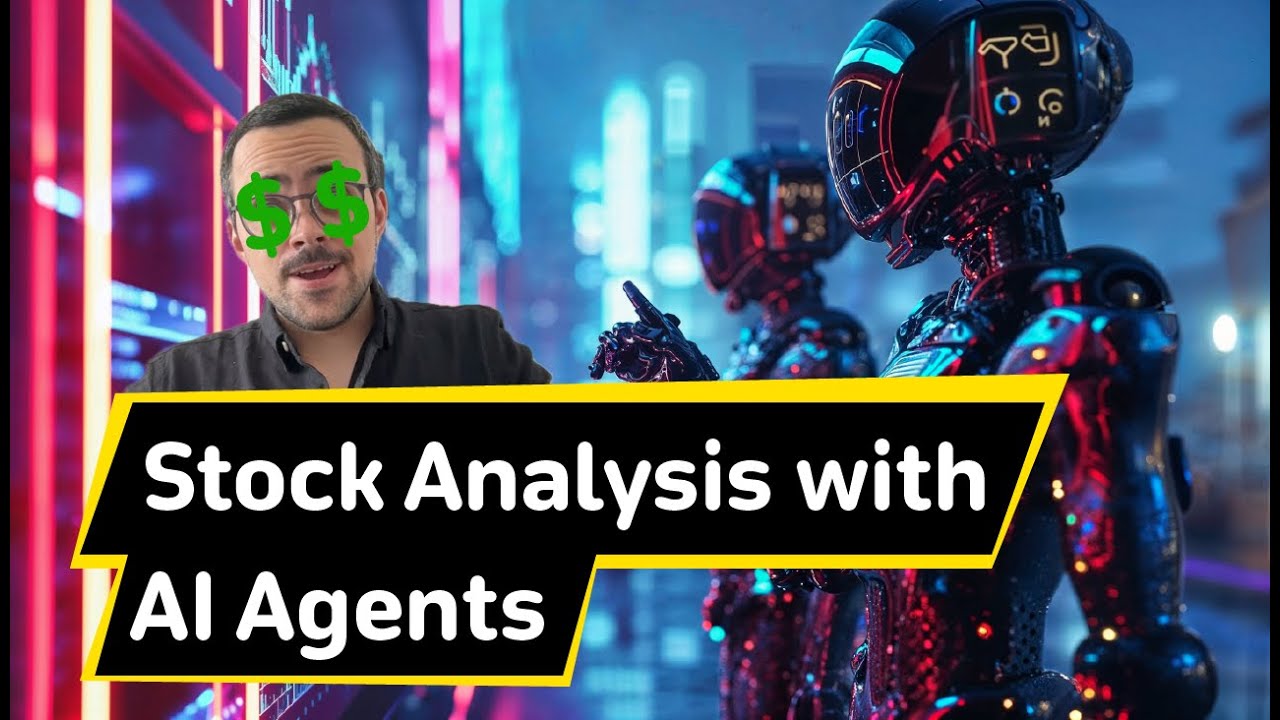](https://www.youtube.com/watch?v=e0Uj4yWdaAg "Stock Analysis")
|
||||
|
||||
### Using Crews and Flows Together
|
||||
|
||||
CrewAI's power truly shines when combining Crews with Flows to create sophisticated automation pipelines.
|
||||
CrewAI flows support logical operators like `or_` and `and_` to combine multiple conditions. This can be used with `@start`, `@listen`, or `@router` decorators to create complex triggering conditions.
|
||||
|
||||
- `or_`: Triggers when any of the specified conditions are met.
|
||||
- `and_`Triggers when all of the specified conditions are met.
|
||||
|
||||
Here's how you can orchestrate multiple Crews within a Flow:
|
||||
|
||||
```python
|
||||
from crewai.flow.flow import Flow, listen, start, router, or_
|
||||
from crewai import Crew, Agent, Task, Process
|
||||
from pydantic import BaseModel
|
||||
|
||||
# Define structured state for precise control
|
||||
class MarketState(BaseModel):
|
||||
sentiment: str = "neutral"
|
||||
confidence: float = 0.0
|
||||
recommendations: list = []
|
||||
|
||||
class AdvancedAnalysisFlow(Flow[MarketState]):
|
||||
@start()
|
||||
def fetch_market_data(self):
|
||||
# Demonstrate low-level control with structured state
|
||||
self.state.sentiment = "analyzing"
|
||||
return {"sector": "tech", "timeframe": "1W"} # These parameters match the task description template
|
||||
|
||||
@listen(fetch_market_data)
|
||||
def analyze_with_crew(self, market_data):
|
||||
# Show crew agency through specialized roles
|
||||
analyst = Agent(
|
||||
role="Senior Market Analyst",
|
||||
goal="Conduct deep market analysis with expert insight",
|
||||
backstory="You're a veteran analyst known for identifying subtle market patterns"
|
||||
)
|
||||
researcher = Agent(
|
||||
role="Data Researcher",
|
||||
goal="Gather and validate supporting market data",
|
||||
backstory="You excel at finding and correlating multiple data sources"
|
||||
)
|
||||
|
||||
analysis_task = Task(
|
||||
description="Analyze {sector} sector data for the past {timeframe}",
|
||||
expected_output="Detailed market analysis with confidence score",
|
||||
agent=analyst
|
||||
)
|
||||
research_task = Task(
|
||||
description="Find supporting data to validate the analysis",
|
||||
expected_output="Corroborating evidence and potential contradictions",
|
||||
agent=researcher
|
||||
)
|
||||
|
||||
# Demonstrate crew autonomy
|
||||
analysis_crew = Crew(
|
||||
agents=[analyst, researcher],
|
||||
tasks=[analysis_task, research_task],
|
||||
process=Process.sequential,
|
||||
verbose=True
|
||||
)
|
||||
return analysis_crew.kickoff(inputs=market_data) # Pass market_data as named inputs
|
||||
|
||||
@router(analyze_with_crew)
|
||||
def determine_next_steps(self):
|
||||
# Show flow control with conditional routing
|
||||
if self.state.confidence > 0.8:
|
||||
return "high_confidence"
|
||||
elif self.state.confidence > 0.5:
|
||||
return "medium_confidence"
|
||||
return "low_confidence"
|
||||
|
||||
@listen("high_confidence")
|
||||
def execute_strategy(self):
|
||||
# Demonstrate complex decision making
|
||||
strategy_crew = Crew(
|
||||
agents=[
|
||||
Agent(role="Strategy Expert",
|
||||
goal="Develop optimal market strategy")
|
||||
],
|
||||
tasks=[
|
||||
Task(description="Create detailed strategy based on analysis",
|
||||
expected_output="Step-by-step action plan")
|
||||
]
|
||||
)
|
||||
return strategy_crew.kickoff()
|
||||
|
||||
@listen(or_("medium_confidence", "low_confidence"))
|
||||
def request_additional_analysis(self):
|
||||
self.state.recommendations.append("Gather more data")
|
||||
return "Additional analysis required"
|
||||
```
|
||||
|
||||
This example demonstrates how to:
|
||||
|
||||
1. Use Python code for basic data operations
|
||||
2. Create and execute Crews as steps in your workflow
|
||||
3. Use Flow decorators to manage the sequence of operations
|
||||
4. Implement conditional branching based on Crew results
|
||||
|
||||
## Connecting Your Crew to a Model
|
||||
|
||||
CrewAI supports using various LLMs through a variety of connection options. By default your agents will use the OpenAI API when querying the model. However, there are several other ways to allow your agents to connect to models. For example, you can configure your agents to use a local model via the Ollama tool.
|
||||
|
||||
Please refer to the [Connect CrewAI to LLMs](https://docs.crewai.com/how-to/LLM-Connections/) page for details on configuring your agents' connections to models.
|
||||
Please refer to the [Connect CrewAI to LLMs](https://docs.crewai.com/how-to/LLM-Connections/) page for details on configuring you agents' connections to models.
|
||||
|
||||
## How CrewAI Compares
|
||||
|
||||
**CrewAI's Advantage**: CrewAI combines autonomous agent intelligence with precise workflow control through its unique Crews and Flows architecture. The framework excels at both high-level orchestration and low-level customization, enabling complex, production-grade systems with granular control.
|
||||
**CrewAI's Advantage**: CrewAI is built with production in mind. It offers the flexibility of Autogen's conversational agents and the structured process approach of ChatDev, but without the rigidity. CrewAI's processes are designed to be dynamic and adaptable, fitting seamlessly into both development and production workflows.
|
||||
|
||||
- **LangGraph**: While LangGraph provides a foundation for building agent workflows, its approach requires significant boilerplate code and complex state management patterns. The framework's tight coupling with LangChain can limit flexibility when implementing custom agent behaviors or integrating with external systems.
|
||||
- **Autogen**: While Autogen does good in creating conversational agents capable of working together, it lacks an inherent concept of process. In Autogen, orchestrating agents' interactions requires additional programming, which can become complex and cumbersome as the scale of tasks grows.
|
||||
|
||||
*P.S. CrewAI demonstrates significant performance advantages over LangGraph, executing 5.76x faster in certain cases like this QA task example ([see comparison](https://github.com/crewAIInc/crewAI-examples/tree/main/Notebooks/CrewAI%20Flows%20%26%20Langgraph/QA%20Agent)) while achieving higher evaluation scores with faster completion times in certain coding tasks, like in this example ([detailed analysis](https://github.com/crewAIInc/crewAI-examples/blob/main/Notebooks/CrewAI%20Flows%20%26%20Langgraph/Coding%20Assistant/coding_assistant_eval.ipynb)).*
|
||||
|
||||
- **Autogen**: While Autogen excels at creating conversational agents capable of working together, it lacks an inherent concept of process. In Autogen, orchestrating agents' interactions requires additional programming, which can become complex and cumbersome as the scale of tasks grows.
|
||||
- **ChatDev**: ChatDev introduced the idea of processes into the realm of AI agents, but its implementation is quite rigid. Customizations in ChatDev are limited and not geared towards production environments, which can hinder scalability and flexibility in real-world applications.
|
||||
|
||||
## Contribution
|
||||
@@ -599,7 +357,7 @@ uv run pytest .
|
||||
### Running static type checks
|
||||
|
||||
```bash
|
||||
uvx mypy src
|
||||
uvx mypy
|
||||
```
|
||||
|
||||
### Packaging
|
||||
@@ -618,7 +376,7 @@ pip install dist/*.tar.gz
|
||||
|
||||
CrewAI uses anonymous telemetry to collect usage data with the main purpose of helping us improve the library by focusing our efforts on the most used features, integrations and tools.
|
||||
|
||||
It's pivotal to understand that **NO data is collected** concerning prompts, task descriptions, agents' backstories or goals, usage of tools, API calls, responses, any data processed by the agents, or secrets and environment variables, with the exception of the conditions mentioned. When the `share_crew` feature is enabled, detailed data including task descriptions, agents' backstories or goals, and other specific attributes are collected to provide deeper insights while respecting user privacy. Users can disable telemetry by setting the environment variable OTEL_SDK_DISABLED to true.
|
||||
It's pivotal to understand that **NO data is collected** concerning prompts, task descriptions, agents' backstories or goals, usage of tools, API calls, responses, any data processed by the agents, or secrets and environment variables, with the exception of the conditions mentioned. When the `share_crew` feature is enabled, detailed data including task descriptions, agents' backstories or goals, and other specific attributes are collected to provide deeper insights while respecting user privacy. We don't offer a way to disable it now, but we will in the future.
|
||||
|
||||
Data collected includes:
|
||||
|
||||
@@ -641,7 +399,7 @@ Data collected includes:
|
||||
- Roles of agents in a crew
|
||||
- Understand high level use cases so we can build better tools, integrations and examples about it
|
||||
- Tools names available
|
||||
- Understand out of the publicly available tools, which ones are being used the most so we can improve them
|
||||
- Understand out of the publically available tools, which ones are being used the most so we can improve them
|
||||
|
||||
Users can opt-in to Further Telemetry, sharing the complete telemetry data by setting the `share_crew` attribute to `True` on their Crews. Enabling `share_crew` results in the collection of detailed crew and task execution data, including `goal`, `backstory`, `context`, and `output` of tasks. This enables a deeper insight into usage patterns while respecting the user's choice to share.
|
||||
|
||||
@@ -651,127 +409,36 @@ CrewAI is released under the [MIT License](https://github.com/crewAIInc/crewAI/b
|
||||
|
||||
## Frequently Asked Questions (FAQ)
|
||||
|
||||
### General
|
||||
|
||||
- [What exactly is CrewAI?](#q-what-exactly-is-crewai)
|
||||
- [How do I install CrewAI?](#q-how-do-i-install-crewai)
|
||||
- [Does CrewAI depend on LangChain?](#q-does-crewai-depend-on-langchain)
|
||||
- [Is CrewAI open-source?](#q-is-crewai-open-source)
|
||||
- [Does CrewAI collect data from users?](#q-does-crewai-collect-data-from-users)
|
||||
|
||||
### Features and Capabilities
|
||||
|
||||
- [Can CrewAI handle complex use cases?](#q-can-crewai-handle-complex-use-cases)
|
||||
- [Can I use CrewAI with local AI models?](#q-can-i-use-crewai-with-local-ai-models)
|
||||
- [What makes Crews different from Flows?](#q-what-makes-crews-different-from-flows)
|
||||
- [How is CrewAI better than LangChain?](#q-how-is-crewai-better-than-langchain)
|
||||
- [Does CrewAI support fine-tuning or training custom models?](#q-does-crewai-support-fine-tuning-or-training-custom-models)
|
||||
|
||||
### Resources and Community
|
||||
|
||||
- [Where can I find real-world CrewAI examples?](#q-where-can-i-find-real-world-crewai-examples)
|
||||
- [How can I contribute to CrewAI?](#q-how-can-i-contribute-to-crewai)
|
||||
|
||||
### Enterprise Features
|
||||
|
||||
- [What additional features does CrewAI AMP offer?](#q-what-additional-features-does-crewai-amp-offer)
|
||||
- [Is CrewAI AMP available for cloud and on-premise deployments?](#q-is-crewai-amp-available-for-cloud-and-on-premise-deployments)
|
||||
- [Can I try CrewAI AMP for free?](#q-can-i-try-crewai-amp-for-free)
|
||||
|
||||
### Q: What exactly is CrewAI?
|
||||
|
||||
A: CrewAI is a standalone, lean, and fast Python framework built specifically for orchestrating autonomous AI agents. Unlike frameworks like LangChain, CrewAI does not rely on external dependencies, making it leaner, faster, and simpler.
|
||||
### Q: What is CrewAI?
|
||||
A: CrewAI is a cutting-edge framework for orchestrating role-playing, autonomous AI agents. It enables agents to work together seamlessly, tackling complex tasks through collaborative intelligence.
|
||||
|
||||
### Q: How do I install CrewAI?
|
||||
|
||||
A: Install CrewAI using pip:
|
||||
|
||||
A: You can install CrewAI using pip:
|
||||
```shell
|
||||
pip install crewai
|
||||
```
|
||||
|
||||
For additional tools, use:
|
||||
|
||||
```shell
|
||||
pip install 'crewai[tools]'
|
||||
```
|
||||
|
||||
### Q: Does CrewAI depend on LangChain?
|
||||
### Q: Can I use CrewAI with local models?
|
||||
A: Yes, CrewAI supports various LLMs, including local models. You can configure your agents to use local models via tools like Ollama & LM Studio. Check the [LLM Connections documentation](https://docs.crewai.com/how-to/LLM-Connections/) for more details.
|
||||
|
||||
A: No. CrewAI is built entirely from the ground up, with no dependencies on LangChain or other agent frameworks. This ensures a lean, fast, and flexible experience.
|
||||
### Q: What are the key features of CrewAI?
|
||||
A: Key features include role-based agent design, autonomous inter-agent delegation, flexible task management, process-driven execution, output saving as files, and compatibility with both open-source and proprietary models.
|
||||
|
||||
### Q: Can CrewAI handle complex use cases?
|
||||
|
||||
A: Yes. CrewAI excels at both simple and highly complex real-world scenarios, offering deep customization options at both high and low levels, from internal prompts to sophisticated workflow orchestration.
|
||||
|
||||
### Q: Can I use CrewAI with local AI models?
|
||||
|
||||
A: Absolutely! CrewAI supports various language models, including local ones. Tools like Ollama and LM Studio allow seamless integration. Check the [LLM Connections documentation](https://docs.crewai.com/how-to/LLM-Connections/) for more details.
|
||||
|
||||
### Q: What makes Crews different from Flows?
|
||||
|
||||
A: Crews provide autonomous agent collaboration, ideal for tasks requiring flexible decision-making and dynamic interaction. Flows offer precise, event-driven control, ideal for managing detailed execution paths and secure state management. You can seamlessly combine both for maximum effectiveness.
|
||||
|
||||
### Q: How is CrewAI better than LangChain?
|
||||
|
||||
A: CrewAI provides simpler, more intuitive APIs, faster execution speeds, more reliable and consistent results, robust documentation, and an active community—addressing common criticisms and limitations associated with LangChain.
|
||||
### Q: How does CrewAI compare to other AI orchestration tools?
|
||||
A: CrewAI is designed with production in mind, offering flexibility similar to Autogen's conversational agents and structured processes like ChatDev, but with more adaptability for real-world applications.
|
||||
|
||||
### Q: Is CrewAI open-source?
|
||||
A: Yes, CrewAI is open-source and welcomes contributions from the community.
|
||||
|
||||
A: Yes, CrewAI is open-source and actively encourages community contributions and collaboration.
|
||||
### Q: Does CrewAI collect any data?
|
||||
A: CrewAI uses anonymous telemetry to collect usage data for improvement purposes. No sensitive data (like prompts, task descriptions, or API calls) is collected. Users can opt-in to share more detailed data by setting `share_crew=True` on their Crews.
|
||||
|
||||
### Q: Does CrewAI collect data from users?
|
||||
|
||||
A: CrewAI collects anonymous telemetry data strictly for improvement purposes. Sensitive data such as prompts, tasks, or API responses are never collected unless explicitly enabled by the user.
|
||||
|
||||
### Q: Where can I find real-world CrewAI examples?
|
||||
|
||||
A: Check out practical examples in the [CrewAI-examples repository](https://github.com/crewAIInc/crewAI-examples), covering use cases like trip planners, stock analysis, and job postings.
|
||||
### Q: Where can I find examples of CrewAI in action?
|
||||
A: You can find various real-life examples in the [CrewAI-examples repository](https://github.com/crewAIInc/crewAI-examples), including trip planners, stock analysis tools, and more.
|
||||
|
||||
### Q: How can I contribute to CrewAI?
|
||||
|
||||
A: Contributions are warmly welcomed! Fork the repository, create your branch, implement your changes, and submit a pull request. See the Contribution section of the README for detailed guidelines.
|
||||
|
||||
### Q: What additional features does CrewAI AMP offer?
|
||||
|
||||
A: CrewAI AMP provides advanced features such as a unified control plane, real-time observability, secure integrations, advanced security, actionable insights, and dedicated 24/7 enterprise support.
|
||||
|
||||
### Q: Is CrewAI AMP available for cloud and on-premise deployments?
|
||||
|
||||
A: Yes, CrewAI AMP supports both cloud-based and on-premise deployment options, allowing enterprises to meet their specific security and compliance requirements.
|
||||
|
||||
### Q: Can I try CrewAI AMP for free?
|
||||
|
||||
A: Yes, you can explore part of the CrewAI AMP Suite by accessing the [Crew Control Plane](https://app.crewai.com) for free.
|
||||
|
||||
### Q: Does CrewAI support fine-tuning or training custom models?
|
||||
|
||||
A: Yes, CrewAI can integrate with custom-trained or fine-tuned models, allowing you to enhance your agents with domain-specific knowledge and accuracy.
|
||||
|
||||
### Q: Can CrewAI agents interact with external tools and APIs?
|
||||
|
||||
A: Absolutely! CrewAI agents can easily integrate with external tools, APIs, and databases, empowering them to leverage real-world data and resources.
|
||||
|
||||
### Q: Is CrewAI suitable for production environments?
|
||||
|
||||
A: Yes, CrewAI is explicitly designed with production-grade standards, ensuring reliability, stability, and scalability for enterprise deployments.
|
||||
|
||||
### Q: How scalable is CrewAI?
|
||||
|
||||
A: CrewAI is highly scalable, supporting simple automations and large-scale enterprise workflows involving numerous agents and complex tasks simultaneously.
|
||||
|
||||
### Q: Does CrewAI offer debugging and monitoring tools?
|
||||
|
||||
A: Yes, CrewAI AMP includes advanced debugging, tracing, and real-time observability features, simplifying the management and troubleshooting of your automations.
|
||||
|
||||
### Q: What programming languages does CrewAI support?
|
||||
|
||||
A: CrewAI is primarily Python-based but easily integrates with services and APIs written in any programming language through its flexible API integration capabilities.
|
||||
|
||||
### Q: Does CrewAI offer educational resources for beginners?
|
||||
|
||||
A: Yes, CrewAI provides extensive beginner-friendly tutorials, courses, and documentation through learn.crewai.com, supporting developers at all skill levels.
|
||||
|
||||
### Q: Can CrewAI automate human-in-the-loop workflows?
|
||||
|
||||
A: Yes, CrewAI fully supports human-in-the-loop workflows, allowing seamless collaboration between human experts and AI agents for enhanced decision-making.
|
||||
A: Contributions are welcome! You can fork the repository, create a new branch for your feature, add your improvement, and send a pull request. Check the Contribution section in the README for more details.
|
||||
|
||||
1737
crewAI.excalidraw
Normal file
@@ -1,18 +0,0 @@
|
||||
(function() {
|
||||
if (typeof window === 'undefined') return;
|
||||
if (typeof window.signals !== 'undefined') return;
|
||||
var script = document.createElement('script');
|
||||
script.src = 'https://cdn.cr-relay.com/v1/site/883520f4-c431-44be-80e7-e123a1ee7a2b/signals.js';
|
||||
script.async = true;
|
||||
window.signals = Object.assign(
|
||||
[],
|
||||
['page', 'identify', 'form'].reduce(function (acc, method){
|
||||
acc[method] = function () {
|
||||
signals.push([method, arguments]);
|
||||
return signals;
|
||||
};
|
||||
return acc;
|
||||
}, {})
|
||||
);
|
||||
document.head.appendChild(script);
|
||||
})();
|
||||
161
docs/concepts/agents.mdx
Normal file
@@ -0,0 +1,161 @@
|
||||
---
|
||||
title: Agents
|
||||
description: What are CrewAI Agents and how to use them.
|
||||
icon: robot
|
||||
---
|
||||
|
||||
## What is an agent?
|
||||
|
||||
An agent is an **autonomous unit** programmed to:
|
||||
<ul>
|
||||
<li class='leading-3'>Perform tasks</li>
|
||||
<li class='leading-3'>Make decisions</li>
|
||||
<li class='leading-3'>Communicate with other agents</li>
|
||||
</ul>
|
||||
|
||||
<Tip>
|
||||
Think of an agent as a member of a team, with specific skills and a particular job to do. Agents can have different roles like `Researcher`, `Writer`, or `Customer Support`, each contributing to the overall goal of the crew.
|
||||
</Tip>
|
||||
|
||||
## Agent attributes
|
||||
|
||||
| Attribute | Parameter | Description |
|
||||
| :------------------------- | :--------- | :--------------------------------------------------------------------------------------------------------------------------------------------------------------------------------------------------------------------------------------------- |
|
||||
| **Role** | `role` | Defines the agent's function within the crew. It determines the kind of tasks the agent is best suited for. |
|
||||
| **Goal** | `goal` | The individual objective that the agent aims to achieve. It guides the agent's decision-making process. |
|
||||
| **Backstory** | `backstory`| Provides context to the agent's role and goal, enriching the interaction and collaboration dynamics. |
|
||||
| **LLM** *(optional)* | `llm` | Represents the language model that will run the agent. It dynamically fetches the model name from the `OPENAI_MODEL_NAME` environment variable, defaulting to "gpt-4" if not specified. |
|
||||
| **Tools** *(optional)* | `tools` | Set of capabilities or functions that the agent can use to perform tasks. Expected to be instances of custom classes compatible with the agent's execution environment. Tools are initialized with a default value of an empty list. |
|
||||
| **Function Calling LLM** *(optional)* | `function_calling_llm` | Specifies the language model that will handle the tool calling for this agent, overriding the crew function calling LLM if passed. Default is `None`. |
|
||||
| **Max Iter** *(optional)* | `max_iter` | Max Iter is the maximum number of iterations the agent can perform before being forced to give its best answer. Default is `25`. |
|
||||
| **Max RPM** *(optional)* | `max_rpm` | Max RPM is the maximum number of requests per minute the agent can perform to avoid rate limits. It's optional and can be left unspecified, with a default value of `None`. |
|
||||
| **Max Execution Time** *(optional)* | `max_execution_time` | Max Execution Time is the maximum execution time for an agent to execute a task. It's optional and can be left unspecified, with a default value of `None`, meaning no max execution time. |
|
||||
| **Verbose** *(optional)* | `verbose` | Setting this to `True` configures the internal logger to provide detailed execution logs, aiding in debugging and monitoring. Default is `False`. |
|
||||
| **Allow Delegation** *(optional)* | `allow_delegation` | Agents can delegate tasks or questions to one another, ensuring that each task is handled by the most suitable agent. Default is `False`. |
|
||||
| **Step Callback** *(optional)* | `step_callback` | A function that is called after each step of the agent. This can be used to log the agent's actions or to perform other operations. It will overwrite the crew `step_callback`. |
|
||||
| **Cache** *(optional)* | `cache` | Indicates if the agent should use a cache for tool usage. Default is `True`. |
|
||||
| **System Template** *(optional)* | `system_template` | Specifies the system format for the agent. Default is `None`. |
|
||||
| **Prompt Template** *(optional)* | `prompt_template` | Specifies the prompt format for the agent. Default is `None`. |
|
||||
| **Response Template** *(optional)* | `response_template` | Specifies the response format for the agent. Default is `None`. |
|
||||
| **Allow Code Execution** *(optional)* | `allow_code_execution` | Enable code execution for the agent. Default is `False`. |
|
||||
| **Max Retry Limit** *(optional)* | `max_retry_limit` | Maximum number of retries for an agent to execute a task when an error occurs. Default is `2`. |
|
||||
| **Use System Prompt** *(optional)* | `use_system_prompt` | Adds the ability to not use system prompt (to support o1 models). Default is `True`. |
|
||||
| **Respect Context Window** *(optional)* | `respect_context_window` | Summary strategy to avoid overflowing the context window. Default is `True`. |
|
||||
| **Code Execution Mode** *(optional)* | `code_execution_mode` | Determines the mode for code execution: 'safe' (using Docker) or 'unsafe' (direct execution on the host machine). Default is `safe`. |
|
||||
|
||||
## Creating an agent
|
||||
|
||||
<Note>
|
||||
**Agent interaction**: Agents can interact with each other using CrewAI's built-in delegation and communication mechanisms. This allows for dynamic task management and problem-solving within the crew.
|
||||
</Note>
|
||||
|
||||
To create an agent, you would typically initialize an instance of the `Agent` class with the desired properties. Here's a conceptual example including all attributes:
|
||||
|
||||
```python Code example
|
||||
from crewai import Agent
|
||||
|
||||
agent = Agent(
|
||||
role='Data Analyst',
|
||||
goal='Extract actionable insights',
|
||||
backstory="""You're a data analyst at a large company.
|
||||
You're responsible for analyzing data and providing insights
|
||||
to the business.
|
||||
You're currently working on a project to analyze the
|
||||
performance of our marketing campaigns.""",
|
||||
tools=[my_tool1, my_tool2], # Optional, defaults to an empty list
|
||||
llm=my_llm, # Optional
|
||||
function_calling_llm=my_llm, # Optional
|
||||
max_iter=15, # Optional
|
||||
max_rpm=None, # Optional
|
||||
max_execution_time=None, # Optional
|
||||
verbose=True, # Optional
|
||||
allow_delegation=False, # Optional
|
||||
step_callback=my_intermediate_step_callback, # Optional
|
||||
cache=True, # Optional
|
||||
system_template=my_system_template, # Optional
|
||||
prompt_template=my_prompt_template, # Optional
|
||||
response_template=my_response_template, # Optional
|
||||
config=my_config, # Optional
|
||||
crew=my_crew, # Optional
|
||||
tools_handler=my_tools_handler, # Optional
|
||||
cache_handler=my_cache_handler, # Optional
|
||||
callbacks=[callback1, callback2], # Optional
|
||||
allow_code_execution=True, # Optional
|
||||
max_retry_limit=2, # Optional
|
||||
use_system_prompt=True, # Optional
|
||||
respect_context_window=True, # Optional
|
||||
code_execution_mode='safe', # Optional, defaults to 'safe'
|
||||
)
|
||||
```
|
||||
|
||||
## Setting prompt templates
|
||||
|
||||
Prompt templates are used to format the prompt for the agent. You can use to update the system, regular and response templates for the agent. Here's an example of how to set prompt templates:
|
||||
|
||||
```python Code example
|
||||
agent = Agent(
|
||||
role="{topic} specialist",
|
||||
goal="Figure {goal} out",
|
||||
backstory="I am the master of {role}",
|
||||
system_template="""<|start_header_id|>system<|end_header_id|>
|
||||
{{ .System }}<|eot_id|>""",
|
||||
prompt_template="""<|start_header_id|>user<|end_header_id|>
|
||||
{{ .Prompt }}<|eot_id|>""",
|
||||
response_template="""<|start_header_id|>assistant<|end_header_id|>
|
||||
{{ .Response }}<|eot_id|>""",
|
||||
)
|
||||
```
|
||||
|
||||
## Bring your third-party agents
|
||||
|
||||
Extend your third-party agents like LlamaIndex, Langchain, Autogen or fully custom agents using the the CrewAI's `BaseAgent` class.
|
||||
|
||||
<Note>
|
||||
**BaseAgent** includes attributes and methods required to integrate with your crews to run and delegate tasks to other agents within your own crew.
|
||||
</Note>
|
||||
|
||||
CrewAI is a universal multi-agent framework that allows for all agents to work together to automate tasks and solve problems.
|
||||
|
||||
```python Code example
|
||||
from crewai import Agent, Task, Crew
|
||||
from custom_agent import CustomAgent # You need to build and extend your own agent logic with the CrewAI BaseAgent class then import it here.
|
||||
|
||||
from langchain.agents import load_tools
|
||||
|
||||
langchain_tools = load_tools(["google-serper"], llm=llm)
|
||||
|
||||
agent1 = CustomAgent(
|
||||
role="agent role",
|
||||
goal="who is {input}?",
|
||||
backstory="agent backstory",
|
||||
verbose=True,
|
||||
)
|
||||
|
||||
task1 = Task(
|
||||
expected_output="a short biography of {input}",
|
||||
description="a short biography of {input}",
|
||||
agent=agent1,
|
||||
)
|
||||
|
||||
agent2 = Agent(
|
||||
role="agent role",
|
||||
goal="summarize the short bio for {input} and if needed do more research",
|
||||
backstory="agent backstory",
|
||||
verbose=True,
|
||||
)
|
||||
|
||||
task2 = Task(
|
||||
description="a tldr summary of the short biography",
|
||||
expected_output="5 bullet point summary of the biography",
|
||||
agent=agent2,
|
||||
context=[task1],
|
||||
)
|
||||
|
||||
my_crew = Crew(agents=[agent1, agent2], tasks=[task1, task2])
|
||||
crew = my_crew.kickoff(inputs={"input": "Mark Twain"})
|
||||
```
|
||||
|
||||
## Conclusion
|
||||
|
||||
Agents are the building blocks of the CrewAI framework. By understanding how to define and interact with agents,
|
||||
you can create sophisticated AI systems that leverage the power of collaborative intelligence. The `code_execution_mode` attribute provides flexibility in how agents execute code, allowing for both secure and direct execution options.
|
||||
179
docs/concepts/cli.mdx
Normal file
@@ -0,0 +1,179 @@
|
||||
---
|
||||
title: CLI
|
||||
description: Learn how to use the CrewAI CLI to interact with CrewAI.
|
||||
icon: terminal
|
||||
---
|
||||
|
||||
# CrewAI CLI Documentation
|
||||
|
||||
The CrewAI CLI provides a set of commands to interact with CrewAI, allowing you to create, train, run, and manage crews & flows.
|
||||
|
||||
## Installation
|
||||
|
||||
To use the CrewAI CLI, make sure you have CrewAI installed:
|
||||
|
||||
```shell
|
||||
pip install crewai
|
||||
```
|
||||
|
||||
## Basic Usage
|
||||
|
||||
The basic structure of a CrewAI CLI command is:
|
||||
|
||||
```shell
|
||||
crewai [COMMAND] [OPTIONS] [ARGUMENTS]
|
||||
```
|
||||
|
||||
## Available Commands
|
||||
|
||||
### 1. Create
|
||||
|
||||
Create a new crew or pipeline.
|
||||
|
||||
```shell
|
||||
crewai create [OPTIONS] TYPE NAME
|
||||
```
|
||||
|
||||
- `TYPE`: Choose between "crew" or "pipeline"
|
||||
- `NAME`: Name of the crew or pipeline
|
||||
- `--router`: (Optional) Create a pipeline with router functionality
|
||||
|
||||
Example:
|
||||
```shell
|
||||
crewai create crew my_new_crew
|
||||
crewai create pipeline my_new_pipeline --router
|
||||
```
|
||||
|
||||
### 2. Version
|
||||
|
||||
Show the installed version of CrewAI.
|
||||
|
||||
```shell
|
||||
crewai version [OPTIONS]
|
||||
```
|
||||
|
||||
- `--tools`: (Optional) Show the installed version of CrewAI tools
|
||||
|
||||
Example:
|
||||
```shell
|
||||
crewai version
|
||||
crewai version --tools
|
||||
```
|
||||
|
||||
### 3. Train
|
||||
|
||||
Train the crew for a specified number of iterations.
|
||||
|
||||
```shell
|
||||
crewai train [OPTIONS]
|
||||
```
|
||||
|
||||
- `-n, --n_iterations INTEGER`: Number of iterations to train the crew (default: 5)
|
||||
- `-f, --filename TEXT`: Path to a custom file for training (default: "trained_agents_data.pkl")
|
||||
|
||||
Example:
|
||||
```shell
|
||||
crewai train -n 10 -f my_training_data.pkl
|
||||
```
|
||||
|
||||
### 4. Replay
|
||||
|
||||
Replay the crew execution from a specific task.
|
||||
|
||||
```shell
|
||||
crewai replay [OPTIONS]
|
||||
```
|
||||
|
||||
- `-t, --task_id TEXT`: Replay the crew from this task ID, including all subsequent tasks
|
||||
|
||||
Example:
|
||||
```shell
|
||||
crewai replay -t task_123456
|
||||
```
|
||||
|
||||
### 5. Log-tasks-outputs
|
||||
|
||||
Retrieve your latest crew.kickoff() task outputs.
|
||||
|
||||
```shell
|
||||
crewai log-tasks-outputs
|
||||
```
|
||||
|
||||
### 6. Reset-memories
|
||||
|
||||
Reset the crew memories (long, short, entity, latest_crew_kickoff_outputs).
|
||||
|
||||
```shell
|
||||
crewai reset-memories [OPTIONS]
|
||||
```
|
||||
|
||||
- `-l, --long`: Reset LONG TERM memory
|
||||
- `-s, --short`: Reset SHORT TERM memory
|
||||
- `-e, --entities`: Reset ENTITIES memory
|
||||
- `-k, --kickoff-outputs`: Reset LATEST KICKOFF TASK OUTPUTS
|
||||
- `-a, --all`: Reset ALL memories
|
||||
|
||||
Example:
|
||||
```shell
|
||||
crewai reset-memories --long --short
|
||||
crewai reset-memories --all
|
||||
```
|
||||
|
||||
### 7. Test
|
||||
|
||||
Test the crew and evaluate the results.
|
||||
|
||||
```shell
|
||||
crewai test [OPTIONS]
|
||||
```
|
||||
|
||||
- `-n, --n_iterations INTEGER`: Number of iterations to test the crew (default: 3)
|
||||
- `-m, --model TEXT`: LLM Model to run the tests on the Crew (default: "gpt-4o-mini")
|
||||
|
||||
Example:
|
||||
```shell
|
||||
crewai test -n 5 -m gpt-3.5-turbo
|
||||
```
|
||||
|
||||
### 8. Run
|
||||
|
||||
Run the crew.
|
||||
|
||||
```shell
|
||||
crewai run
|
||||
```
|
||||
<Note>
|
||||
Make sure to run these commands from the directory where your CrewAI project is set up.
|
||||
Some commands may require additional configuration or setup within your project structure.
|
||||
</Note>
|
||||
|
||||
|
||||
### 9. API Keys
|
||||
|
||||
When running ```crewai create crew``` command, the CLI will first show you the top 5 most common LLM providers and ask you to select one.
|
||||
|
||||
Once you've selected an LLM provider, you will be prompted for API keys.
|
||||
|
||||
#### Initial API key providers
|
||||
|
||||
The CLI will initially prompt for API keys for the following services:
|
||||
|
||||
* OpenAI
|
||||
* Groq
|
||||
* Anthropic
|
||||
* Google Gemini
|
||||
|
||||
When you select a provider, the CLI will prompt you to enter your API key.
|
||||
|
||||
#### Other Options
|
||||
|
||||
If you select option 6, you will be able to select from a list of LiteLLM supported providers.
|
||||
|
||||
When you select a provider, the CLI will prompt you to enter the Key name and the API key.
|
||||
|
||||
See the following link for each provider's key name:
|
||||
|
||||
* [LiteLLM Providers](https://docs.litellm.ai/docs/providers)
|
||||
|
||||
|
||||
|
||||
52
docs/concepts/collaboration.mdx
Normal file
@@ -0,0 +1,52 @@
|
||||
---
|
||||
title: Collaboration
|
||||
description: Exploring the dynamics of agent collaboration within the CrewAI framework, focusing on the newly integrated features for enhanced functionality.
|
||||
icon: screen-users
|
||||
---
|
||||
|
||||
## Collaboration Fundamentals
|
||||
|
||||
Collaboration in CrewAI is fundamental, enabling agents to combine their skills, share information, and assist each other in task execution, embodying a truly cooperative ecosystem.
|
||||
|
||||
- **Information Sharing**: Ensures all agents are well-informed and can contribute effectively by sharing data and findings.
|
||||
- **Task Assistance**: Allows agents to seek help from peers with the required expertise for specific tasks.
|
||||
- **Resource Allocation**: Optimizes task execution through the efficient distribution and sharing of resources among agents.
|
||||
|
||||
## Enhanced Attributes for Improved Collaboration
|
||||
|
||||
The `Crew` class has been enriched with several attributes to support advanced functionalities:
|
||||
|
||||
| Feature | Description |
|
||||
|:-------------------------------------------|:-----------------------------------------------------------------------------------------------------------------------------------------------------------------------------------------------------------------------------|
|
||||
| **Language Model Management** (`manager_llm`, `function_calling_llm`) | Manages language models for executing tasks and tools. `manager_llm` is required for hierarchical processes, while `function_calling_llm` is optional with a default value for streamlined interactions. |
|
||||
| **Custom Manager Agent** (`manager_agent`) | Specifies a custom agent as the manager, replacing the default CrewAI manager. |
|
||||
| **Process Flow** (`process`) | Defines execution logic (e.g., sequential, hierarchical) for task distribution. |
|
||||
| **Verbose Logging** (`verbose`) | Provides detailed logging for monitoring and debugging. Accepts integer and boolean values to control verbosity level. |
|
||||
| **Rate Limiting** (`max_rpm`) | Limits requests per minute to optimize resource usage. Setting guidelines depend on task complexity and load. |
|
||||
| **Internationalization / Customization** (`language`, `prompt_file`) | Supports prompt customization for global usability. [Example of file](https://github.com/joaomdmoura/crewAI/blob/main/src/crewai/translations/en.json) |
|
||||
| **Execution and Output Handling** (`full_output`) | Controls output granularity, distinguishing between full and final outputs. |
|
||||
| **Callback and Telemetry** (`step_callback`, `task_callback`) | Enables step-wise and task-level execution monitoring and telemetry for performance analytics. |
|
||||
| **Crew Sharing** (`share_crew`) | Allows sharing crew data with CrewAI for model improvement. Privacy implications and benefits should be considered. |
|
||||
| **Usage Metrics** (`usage_metrics`) | Logs all LLM usage metrics during task execution for performance insights. |
|
||||
| **Memory Usage** (`memory`) | Enables memory for storing execution history, aiding in agent learning and task efficiency. |
|
||||
| **Embedder Configuration** (`embedder`) | Configures the embedder for language understanding and generation, with support for provider customization. |
|
||||
| **Cache Management** (`cache`) | Specifies whether to cache tool execution results, enhancing performance. |
|
||||
| **Output Logging** (`output_log_file`) | Defines the file path for logging crew execution output. |
|
||||
| **Planning Mode** (`planning`) | Enables action planning before task execution. Set `planning=True` to activate. |
|
||||
| **Replay Feature** (`replay`) | Provides CLI for listing tasks from the last run and replaying from specific tasks, aiding in task management and troubleshooting. |
|
||||
|
||||
## Delegation (Dividing to Conquer)
|
||||
|
||||
Delegation enhances functionality by allowing agents to intelligently assign tasks or seek help, thereby amplifying the crew's overall capability.
|
||||
|
||||
## Implementing Collaboration and Delegation
|
||||
|
||||
Setting up a crew involves defining the roles and capabilities of each agent. CrewAI seamlessly manages their interactions, ensuring efficient collaboration and delegation, with enhanced customization and monitoring features to adapt to various operational needs.
|
||||
|
||||
## Example Scenario
|
||||
|
||||
Consider a crew with a researcher agent tasked with data gathering and a writer agent responsible for compiling reports. The integration of advanced language model management and process flow attributes allows for more sophisticated interactions, such as the writer delegating complex research tasks to the researcher or querying specific information, thereby facilitating a seamless workflow.
|
||||
|
||||
## Conclusion
|
||||
|
||||
The integration of advanced attributes and functionalities into the CrewAI framework significantly enriches the agent collaboration ecosystem. These enhancements not only simplify interactions but also offer unprecedented flexibility and control, paving the way for sophisticated AI-driven solutions capable of tackling complex tasks through intelligent collaboration and delegation.
|
||||
@@ -2,10 +2,9 @@
|
||||
title: Crews
|
||||
description: Understanding and utilizing crews in the crewAI framework with comprehensive attributes and functionalities.
|
||||
icon: people-group
|
||||
mode: "wide"
|
||||
---
|
||||
|
||||
## Overview
|
||||
## What is a Crew?
|
||||
|
||||
A crew in crewAI represents a collaborative group of agents working together to achieve a set of tasks. Each crew defines the strategy for task execution, agent collaboration, and the overall workflow.
|
||||
|
||||
@@ -21,187 +20,26 @@ A crew in crewAI represents a collaborative group of agents working together to
|
||||
| **Function Calling LLM** _(optional)_ | `function_calling_llm` | If passed, the crew will use this LLM to do function calling for tools for all agents in the crew. Each agent can have its own LLM, which overrides the crew's LLM for function calling. |
|
||||
| **Config** _(optional)_ | `config` | Optional configuration settings for the crew, in `Json` or `Dict[str, Any]` format. |
|
||||
| **Max RPM** _(optional)_ | `max_rpm` | Maximum requests per minute the crew adheres to during execution. Defaults to `None`. |
|
||||
| **Memory** _(optional)_ | `memory` | Utilized for storing execution memories (short-term, long-term, entity memory). | |
|
||||
| **Cache** _(optional)_ | `cache` | Specifies whether to use a cache for storing the results of tools' execution. Defaults to `True`. |
|
||||
| **Embedder** _(optional)_ | `embedder` | Configuration for the embedder to be used by the crew. Mostly used by memory for now. Default is `{"provider": "openai"}`. |
|
||||
| **Language** _(optional)_ | `language` | Language used for the crew, defaults to English. |
|
||||
| **Language File** _(optional)_ | `language_file` | Path to the language file to be used for the crew. |
|
||||
| **Memory** _(optional)_ | `memory` | Utilized for storing execution memories (short-term, long-term, entity memory). Defaults to `False`. |
|
||||
| **Cache** _(optional)_ | `cache` | Specifies whether to use a cache for storing the results of tools' execution. Defaults to `True`. |
|
||||
| **Embedder** _(optional)_ | `embedder` | Configuration for the embedder to be used by the crew. Mostly used by memory for now. Default is `{"provider": "openai"}`. |
|
||||
| **Full Output** _(optional)_ | `full_output` | Whether the crew should return the full output with all tasks outputs or just the final output. Defaults to `False`. |
|
||||
| **Step Callback** _(optional)_ | `step_callback` | A function that is called after each step of every agent. This can be used to log the agent's actions or to perform other operations; it won't override the agent-specific `step_callback`. |
|
||||
| **Task Callback** _(optional)_ | `task_callback` | A function that is called after the completion of each task. Useful for monitoring or additional operations post-task execution. |
|
||||
| **Share Crew** _(optional)_ | `share_crew` | Whether you want to share the complete crew information and execution with the crewAI team to make the library better, and allow us to train models. |
|
||||
| **Output Log File** _(optional)_ | `output_log_file` | Set to True to save logs as logs.txt in the current directory or provide a file path. Logs will be in JSON format if the filename ends in .json, otherwise .txt. Defaults to `None`. |
|
||||
| **Output Log File** _(optional)_ | `output_log_file` | Whether you want to have a file with the complete crew output and execution. You can set it using True and it will default to the folder you are currently in and it will be called logs.txt or passing a string with the full path and name of the file. |
|
||||
| **Manager Agent** _(optional)_ | `manager_agent` | `manager` sets a custom agent that will be used as a manager. |
|
||||
| **Manager Callbacks** _(optional)_ | `manager_callbacks` | `manager_callbacks` takes a list of callback handlers to be executed by the manager agent when a hierarchical process is used. |
|
||||
| **Prompt File** _(optional)_ | `prompt_file` | Path to the prompt JSON file to be used for the crew. |
|
||||
| **Planning** *(optional)* | `planning` | Adds planning ability to the Crew. When activated before each Crew iteration, all Crew data is sent to an AgentPlanner that will plan the tasks and this plan will be added to each task description. |
|
||||
| **Planning LLM** *(optional)* | `planning_llm` | The language model used by the AgentPlanner in a planning process. |
|
||||
| **Knowledge Sources** _(optional)_ | `knowledge_sources` | Knowledge sources available at the crew level, accessible to all the agents. |
|
||||
|
||||
<Tip>
|
||||
**Crew Max RPM**: The `max_rpm` attribute sets the maximum number of requests per minute the crew can perform to avoid rate limits and will override individual agents' `max_rpm` settings if you set it.
|
||||
</Tip>
|
||||
|
||||
## Creating Crews
|
||||
|
||||
There are two ways to create crews in CrewAI: using **YAML configuration (recommended)** or defining them **directly in code**.
|
||||
|
||||
### YAML Configuration (Recommended)
|
||||
|
||||
Using YAML configuration provides a cleaner, more maintainable way to define crews and is consistent with how agents and tasks are defined in CrewAI projects.
|
||||
|
||||
After creating your CrewAI project as outlined in the [Installation](/en/installation) section, you can define your crew in a class that inherits from `CrewBase` and uses decorators to define agents, tasks, and the crew itself.
|
||||
|
||||
#### Example Crew Class with Decorators
|
||||
|
||||
```python code
|
||||
from crewai import Agent, Crew, Task, Process
|
||||
from crewai.project import CrewBase, agent, task, crew, before_kickoff, after_kickoff
|
||||
from crewai.agents.agent_builder.base_agent import BaseAgent
|
||||
from typing import List
|
||||
|
||||
@CrewBase
|
||||
class YourCrewName:
|
||||
"""Description of your crew"""
|
||||
|
||||
agents: List[BaseAgent]
|
||||
tasks: List[Task]
|
||||
|
||||
# Paths to your YAML configuration files
|
||||
# To see an example agent and task defined in YAML, checkout the following:
|
||||
# - Task: https://docs.crewai.com/concepts/tasks#yaml-configuration-recommended
|
||||
# - Agents: https://docs.crewai.com/concepts/agents#yaml-configuration-recommended
|
||||
agents_config = 'config/agents.yaml'
|
||||
tasks_config = 'config/tasks.yaml'
|
||||
|
||||
@before_kickoff
|
||||
def prepare_inputs(self, inputs):
|
||||
# Modify inputs before the crew starts
|
||||
inputs['additional_data'] = "Some extra information"
|
||||
return inputs
|
||||
|
||||
@after_kickoff
|
||||
def process_output(self, output):
|
||||
# Modify output after the crew finishes
|
||||
output.raw += "\nProcessed after kickoff."
|
||||
return output
|
||||
|
||||
@agent
|
||||
def agent_one(self) -> Agent:
|
||||
return Agent(
|
||||
config=self.agents_config['agent_one'], # type: ignore[index]
|
||||
verbose=True
|
||||
)
|
||||
|
||||
@agent
|
||||
def agent_two(self) -> Agent:
|
||||
return Agent(
|
||||
config=self.agents_config['agent_two'], # type: ignore[index]
|
||||
verbose=True
|
||||
)
|
||||
|
||||
@task
|
||||
def task_one(self) -> Task:
|
||||
return Task(
|
||||
config=self.tasks_config['task_one'] # type: ignore[index]
|
||||
)
|
||||
|
||||
@task
|
||||
def task_two(self) -> Task:
|
||||
return Task(
|
||||
config=self.tasks_config['task_two'] # type: ignore[index]
|
||||
)
|
||||
|
||||
@crew
|
||||
def crew(self) -> Crew:
|
||||
return Crew(
|
||||
agents=self.agents, # Automatically collected by the @agent decorator
|
||||
tasks=self.tasks, # Automatically collected by the @task decorator.
|
||||
process=Process.sequential,
|
||||
verbose=True,
|
||||
)
|
||||
```
|
||||
|
||||
How to run the above code:
|
||||
|
||||
```python code
|
||||
YourCrewName().crew().kickoff(inputs={"any": "input here"})
|
||||
```
|
||||
|
||||
<Note>
|
||||
Tasks will be executed in the order they are defined.
|
||||
</Note>
|
||||
|
||||
The `CrewBase` class, along with these decorators, automates the collection of agents and tasks, reducing the need for manual management.
|
||||
|
||||
#### Decorators overview from `annotations.py`
|
||||
|
||||
CrewAI provides several decorators in the `annotations.py` file that are used to mark methods within your crew class for special handling:
|
||||
|
||||
- `@CrewBase`: Marks the class as a crew base class.
|
||||
- `@agent`: Denotes a method that returns an `Agent` object.
|
||||
- `@task`: Denotes a method that returns a `Task` object.
|
||||
- `@crew`: Denotes the method that returns the `Crew` object.
|
||||
- `@before_kickoff`: (Optional) Marks a method to be executed before the crew starts.
|
||||
- `@after_kickoff`: (Optional) Marks a method to be executed after the crew finishes.
|
||||
|
||||
These decorators help in organizing your crew's structure and automatically collecting agents and tasks without manually listing them.
|
||||
|
||||
### Direct Code Definition (Alternative)
|
||||
|
||||
Alternatively, you can define the crew directly in code without using YAML configuration files.
|
||||
|
||||
```python code
|
||||
from crewai import Agent, Crew, Task, Process
|
||||
from crewai_tools import YourCustomTool
|
||||
|
||||
class YourCrewName:
|
||||
def agent_one(self) -> Agent:
|
||||
return Agent(
|
||||
role="Data Analyst",
|
||||
goal="Analyze data trends in the market",
|
||||
backstory="An experienced data analyst with a background in economics",
|
||||
verbose=True,
|
||||
tools=[YourCustomTool()]
|
||||
)
|
||||
|
||||
def agent_two(self) -> Agent:
|
||||
return Agent(
|
||||
role="Market Researcher",
|
||||
goal="Gather information on market dynamics",
|
||||
backstory="A diligent researcher with a keen eye for detail",
|
||||
verbose=True
|
||||
)
|
||||
|
||||
def task_one(self) -> Task:
|
||||
return Task(
|
||||
description="Collect recent market data and identify trends.",
|
||||
expected_output="A report summarizing key trends in the market.",
|
||||
agent=self.agent_one()
|
||||
)
|
||||
|
||||
def task_two(self) -> Task:
|
||||
return Task(
|
||||
description="Research factors affecting market dynamics.",
|
||||
expected_output="An analysis of factors influencing the market.",
|
||||
agent=self.agent_two()
|
||||
)
|
||||
|
||||
def crew(self) -> Crew:
|
||||
return Crew(
|
||||
agents=[self.agent_one(), self.agent_two()],
|
||||
tasks=[self.task_one(), self.task_two()],
|
||||
process=Process.sequential,
|
||||
verbose=True
|
||||
)
|
||||
```
|
||||
How to run the above code:
|
||||
|
||||
```python code
|
||||
YourCrewName().crew().kickoff(inputs={})
|
||||
```
|
||||
|
||||
In this example:
|
||||
|
||||
- Agents and tasks are defined directly within the class without decorators.
|
||||
- We manually create and manage the list of agents and tasks.
|
||||
- This approach provides more control but can be less maintainable for larger projects.
|
||||
|
||||
## Crew Output
|
||||
|
||||
@@ -253,23 +91,6 @@ print(f"Tasks Output: {crew_output.tasks_output}")
|
||||
print(f"Token Usage: {crew_output.token_usage}")
|
||||
```
|
||||
|
||||
## Accessing Crew Logs
|
||||
|
||||
You can see real time log of the crew execution, by setting `output_log_file` as a `True(Boolean)` or a `file_name(str)`. Supports logging of events as both `file_name.txt` and `file_name.json`.
|
||||
In case of `True(Boolean)` will save as `logs.txt`.
|
||||
|
||||
In case of `output_log_file` is set as `False(Boolean)` or `None`, the logs will not be populated.
|
||||
|
||||
```python Code
|
||||
# Save crew logs
|
||||
crew = Crew(output_log_file = True) # Logs will be saved as logs.txt
|
||||
crew = Crew(output_log_file = file_name) # Logs will be saved as file_name.txt
|
||||
crew = Crew(output_log_file = file_name.txt) # Logs will be saved as file_name.txt
|
||||
crew = Crew(output_log_file = file_name.json) # Logs will be saved as file_name.json
|
||||
```
|
||||
|
||||
|
||||
|
||||
## Memory Utilization
|
||||
|
||||
Crews can utilize memory (short-term, long-term, and entity memory) to enhance their execution and learning over time. This feature allows crews to store and recall execution memories, aiding in decision-making and task execution strategies.
|
||||
@@ -309,9 +130,9 @@ print(result)
|
||||
Once your crew is assembled, initiate the workflow with the appropriate kickoff method. CrewAI provides several methods for better control over the kickoff process: `kickoff()`, `kickoff_for_each()`, `kickoff_async()`, and `kickoff_for_each_async()`.
|
||||
|
||||
- `kickoff()`: Starts the execution process according to the defined process flow.
|
||||
- `kickoff_for_each()`: Executes tasks sequentially for each provided input event or item in the collection.
|
||||
- `kickoff_for_each()`: Executes tasks for each agent individually.
|
||||
- `kickoff_async()`: Initiates the workflow asynchronously.
|
||||
- `kickoff_for_each_async()`: Executes tasks concurrently for each provided input event or item, leveraging asynchronous processing.
|
||||
- `kickoff_for_each_async()`: Executes tasks for each agent individually in an asynchronous manner.
|
||||
|
||||
```python Code
|
||||
# Start the crew's task execution
|
||||
@@ -326,12 +147,12 @@ for result in results:
|
||||
|
||||
# Example of using kickoff_async
|
||||
inputs = {'topic': 'AI in healthcare'}
|
||||
async_result = await my_crew.kickoff_async(inputs=inputs)
|
||||
async_result = my_crew.kickoff_async(inputs=inputs)
|
||||
print(async_result)
|
||||
|
||||
# Example of using kickoff_for_each_async
|
||||
inputs_array = [{'topic': 'AI in healthcare'}, {'topic': 'AI in finance'}]
|
||||
async_results = await my_crew.kickoff_for_each_async(inputs=inputs_array)
|
||||
async_results = my_crew.kickoff_for_each_async(inputs=inputs_array)
|
||||
for async_result in async_results:
|
||||
print(async_result)
|
||||
```
|
||||
@@ -366,4 +187,4 @@ Then, to replay from a specific task, use:
|
||||
crewai replay -t <task_id>
|
||||
```
|
||||
|
||||
These commands let you replay from your latest kickoff tasks, still retaining context from previously executed tasks.
|
||||
These commands let you replay from your latest kickoff tasks, still retaining context from previously executed tasks.
|
||||
@@ -2,10 +2,9 @@
|
||||
title: Flows
|
||||
description: Learn how to create and manage AI workflows using CrewAI Flows.
|
||||
icon: arrow-progress
|
||||
mode: "wide"
|
||||
---
|
||||
|
||||
## Overview
|
||||
## Introduction
|
||||
|
||||
CrewAI Flows is a powerful feature designed to streamline the creation and management of AI workflows. Flows allow developers to combine and coordinate coding tasks and Crews efficiently, providing a robust framework for building sophisticated AI automations.
|
||||
|
||||
@@ -36,8 +35,6 @@ class ExampleFlow(Flow):
|
||||
@start()
|
||||
def generate_city(self):
|
||||
print("Starting flow")
|
||||
# Each flow state automatically gets a unique ID
|
||||
print(f"Flow State ID: {self.state['id']}")
|
||||
|
||||
response = completion(
|
||||
model=self.model,
|
||||
@@ -50,8 +47,6 @@ class ExampleFlow(Flow):
|
||||
)
|
||||
|
||||
random_city = response["choices"][0]["message"]["content"]
|
||||
# Store the city in our state
|
||||
self.state["city"] = random_city
|
||||
print(f"Random City: {random_city}")
|
||||
|
||||
return random_city
|
||||
@@ -69,42 +64,25 @@ class ExampleFlow(Flow):
|
||||
)
|
||||
|
||||
fun_fact = response["choices"][0]["message"]["content"]
|
||||
# Store the fun fact in our state
|
||||
self.state["fun_fact"] = fun_fact
|
||||
return fun_fact
|
||||
|
||||
|
||||
|
||||
flow = ExampleFlow()
|
||||
flow.plot()
|
||||
result = flow.kickoff()
|
||||
|
||||
print(f"Generated fun fact: {result}")
|
||||
```
|
||||

|
||||
|
||||
In the above example, we have created a simple Flow that generates a random city using OpenAI and then generates a fun fact about that city. The Flow consists of two tasks: `generate_city` and `generate_fun_fact`. The `generate_city` task is the starting point of the Flow, and the `generate_fun_fact` task listens for the output of the `generate_city` task.
|
||||
|
||||
Each Flow instance automatically receives a unique identifier (UUID) in its state, which helps track and manage flow executions. The state can also store additional data (like the generated city and fun fact) that persists throughout the flow's execution.
|
||||
|
||||
When you run the Flow, it will:
|
||||
1. Generate a unique ID for the flow state
|
||||
2. Generate a random city and store it in the state
|
||||
3. Generate a fun fact about that city and store it in the state
|
||||
4. Print the results to the console
|
||||
|
||||
The state's unique ID and stored data can be useful for tracking flow executions and maintaining context between tasks.
|
||||
When you run the Flow, it will generate a random city and then generate a fun fact about that city. The output will be printed to the console.
|
||||
|
||||
**Note:** Ensure you have set up your `.env` file to store your `OPENAI_API_KEY`. This key is necessary for authenticating requests to the OpenAI API.
|
||||
|
||||
### @start()
|
||||
|
||||
The `@start()` decorator marks entry points for a Flow. You can:
|
||||
|
||||
- Declare multiple unconditional starts: `@start()`
|
||||
- Gate a start on a prior method or router label: `@start("method_or_label")`
|
||||
- Provide a callable condition to control when a start should fire
|
||||
|
||||
All satisfied `@start()` methods will execute (often in parallel) when the Flow begins or resumes.
|
||||
The `@start()` decorator is used to mark a method as the starting point of a Flow. When a Flow is started, all the methods decorated with `@start()` are executed in parallel. You can have multiple start methods in a Flow, and they will all be executed when the Flow is started.
|
||||
|
||||
### @listen()
|
||||
|
||||
@@ -154,23 +132,21 @@ class OutputExampleFlow(Flow):
|
||||
|
||||
|
||||
flow = OutputExampleFlow()
|
||||
flow.plot("my_flow_plot")
|
||||
final_output = flow.kickoff()
|
||||
|
||||
print("---- Final Output ----")
|
||||
print(final_output)
|
||||
```
|
||||
````
|
||||
|
||||
```text Output
|
||||
``` text Output
|
||||
---- Final Output ----
|
||||
Second method received: Output from first_method
|
||||
```
|
||||
````
|
||||
|
||||
</CodeGroup>
|
||||

|
||||
|
||||
In this example, the `second_method` is the last method to complete, so its output will be the final output of the Flow.
|
||||
The `kickoff()` method will return the final output, which is then printed to the console. The `plot()` method will generate the HTML file, which will help you understand the flow.
|
||||
The `kickoff()` method will return the final output, which is then printed to the console.
|
||||
|
||||
#### Accessing and Updating State
|
||||
|
||||
@@ -202,7 +178,6 @@ class StateExampleFlow(Flow[ExampleState]):
|
||||
return self.state.message
|
||||
|
||||
flow = StateExampleFlow()
|
||||
flow.plot("my_flow_plot")
|
||||
final_output = flow.kickoff()
|
||||
print(f"Final Output: {final_output}")
|
||||
print("Final State:")
|
||||
@@ -217,8 +192,6 @@ counter=2 message='Hello from first_method - updated by second_method'
|
||||
|
||||
</CodeGroup>
|
||||
|
||||

|
||||
|
||||
In this example, the state is updated by both `first_method` and `second_method`.
|
||||
After the Flow has run, you can access the final state to see the updates made by these methods.
|
||||
|
||||
@@ -234,42 +207,34 @@ allowing developers to choose the approach that best fits their application's ne
|
||||
|
||||
In unstructured state management, all state is stored in the `state` attribute of the `Flow` class.
|
||||
This approach offers flexibility, enabling developers to add or modify state attributes on the fly without defining a strict schema.
|
||||
Even with unstructured states, CrewAI Flows automatically generates and maintains a unique identifier (UUID) for each state instance.
|
||||
|
||||
```python Code
|
||||
from crewai.flow.flow import Flow, listen, start
|
||||
|
||||
class UnstructuredExampleFlow(Flow):
|
||||
class UntructuredExampleFlow(Flow):
|
||||
|
||||
@start()
|
||||
def first_method(self):
|
||||
# The state automatically includes an 'id' field
|
||||
print(f"State ID: {self.state['id']}")
|
||||
self.state['counter'] = 0
|
||||
self.state['message'] = "Hello from structured flow"
|
||||
self.state.message = "Hello from structured flow"
|
||||
self.state.counter = 0
|
||||
|
||||
@listen(first_method)
|
||||
def second_method(self):
|
||||
self.state['counter'] += 1
|
||||
self.state['message'] += " - updated"
|
||||
self.state.counter += 1
|
||||
self.state.message += " - updated"
|
||||
|
||||
@listen(second_method)
|
||||
def third_method(self):
|
||||
self.state['counter'] += 1
|
||||
self.state['message'] += " - updated again"
|
||||
self.state.counter += 1
|
||||
self.state.message += " - updated again"
|
||||
|
||||
print(f"State after third_method: {self.state}")
|
||||
|
||||
|
||||
flow = UnstructuredExampleFlow()
|
||||
flow.plot("my_flow_plot")
|
||||
flow = UntructuredExampleFlow()
|
||||
flow.kickoff()
|
||||
```
|
||||
|
||||

|
||||
|
||||
**Note:** The `id` field is automatically generated and preserved throughout the flow's execution. You don't need to manage or set it manually, and it will be maintained even when updating the state with new data.
|
||||
|
||||
**Key Points:**
|
||||
|
||||
- **Flexibility:** You can dynamically add attributes to `self.state` without predefined constraints.
|
||||
@@ -280,15 +245,12 @@ flow.kickoff()
|
||||
Structured state management leverages predefined schemas to ensure consistency and type safety across the workflow.
|
||||
By using models like Pydantic's `BaseModel`, developers can define the exact shape of the state, enabling better validation and auto-completion in development environments.
|
||||
|
||||
Each state in CrewAI Flows automatically receives a unique identifier (UUID) to help track and manage state instances. This ID is automatically generated and managed by the Flow system.
|
||||
|
||||
```python Code
|
||||
from crewai.flow.flow import Flow, listen, start
|
||||
from pydantic import BaseModel
|
||||
|
||||
|
||||
class ExampleState(BaseModel):
|
||||
# Note: 'id' field is automatically added to all states
|
||||
counter: int = 0
|
||||
message: str = ""
|
||||
|
||||
@@ -297,8 +259,6 @@ class StructuredExampleFlow(Flow[ExampleState]):
|
||||
|
||||
@start()
|
||||
def first_method(self):
|
||||
# Access the auto-generated ID if needed
|
||||
print(f"State ID: {self.state.id}")
|
||||
self.state.message = "Hello from structured flow"
|
||||
|
||||
@listen(first_method)
|
||||
@@ -318,8 +278,6 @@ flow = StructuredExampleFlow()
|
||||
flow.kickoff()
|
||||
```
|
||||
|
||||

|
||||
|
||||
**Key Points:**
|
||||
|
||||
- **Defined Schema:** `ExampleState` clearly outlines the state structure, enhancing code readability and maintainability.
|
||||
@@ -341,91 +299,6 @@ flow.kickoff()
|
||||
|
||||
By providing both unstructured and structured state management options, CrewAI Flows empowers developers to build AI workflows that are both flexible and robust, catering to a wide range of application requirements.
|
||||
|
||||
## Flow Persistence
|
||||
|
||||
The @persist decorator enables automatic state persistence in CrewAI Flows, allowing you to maintain flow state across restarts or different workflow executions. This decorator can be applied at either the class level or method level, providing flexibility in how you manage state persistence.
|
||||
|
||||
### Class-Level Persistence
|
||||
|
||||
When applied at the class level, the @persist decorator automatically persists all flow method states:
|
||||
|
||||
```python
|
||||
@persist # Using SQLiteFlowPersistence by default
|
||||
class MyFlow(Flow[MyState]):
|
||||
@start()
|
||||
def initialize_flow(self):
|
||||
# This method will automatically have its state persisted
|
||||
self.state.counter = 1
|
||||
print("Initialized flow. State ID:", self.state.id)
|
||||
|
||||
@listen(initialize_flow)
|
||||
def next_step(self):
|
||||
# The state (including self.state.id) is automatically reloaded
|
||||
self.state.counter += 1
|
||||
print("Flow state is persisted. Counter:", self.state.counter)
|
||||
```
|
||||
|
||||
### Method-Level Persistence
|
||||
|
||||
For more granular control, you can apply @persist to specific methods:
|
||||
|
||||
```python
|
||||
class AnotherFlow(Flow[dict]):
|
||||
@persist # Persists only this method's state
|
||||
@start()
|
||||
def begin(self):
|
||||
if "runs" not in self.state:
|
||||
self.state["runs"] = 0
|
||||
self.state["runs"] += 1
|
||||
print("Method-level persisted runs:", self.state["runs"])
|
||||
```
|
||||
|
||||
### How It Works
|
||||
|
||||
1. **Unique State Identification**
|
||||
- Each flow state automatically receives a unique UUID
|
||||
- The ID is preserved across state updates and method calls
|
||||
- Supports both structured (Pydantic BaseModel) and unstructured (dictionary) states
|
||||
|
||||
2. **Default SQLite Backend**
|
||||
- SQLiteFlowPersistence is the default storage backend
|
||||
- States are automatically saved to a local SQLite database
|
||||
- Robust error handling ensures clear messages if database operations fail
|
||||
|
||||
3. **Error Handling**
|
||||
- Comprehensive error messages for database operations
|
||||
- Automatic state validation during save and load
|
||||
- Clear feedback when persistence operations encounter issues
|
||||
|
||||
### Important Considerations
|
||||
|
||||
- **State Types**: Both structured (Pydantic BaseModel) and unstructured (dictionary) states are supported
|
||||
- **Automatic ID**: The `id` field is automatically added if not present
|
||||
- **State Recovery**: Failed or restarted flows can automatically reload their previous state
|
||||
- **Custom Implementation**: You can provide your own FlowPersistence implementation for specialized storage needs
|
||||
|
||||
### Technical Advantages
|
||||
|
||||
1. **Precise Control Through Low-Level Access**
|
||||
- Direct access to persistence operations for advanced use cases
|
||||
- Fine-grained control via method-level persistence decorators
|
||||
- Built-in state inspection and debugging capabilities
|
||||
- Full visibility into state changes and persistence operations
|
||||
|
||||
2. **Enhanced Reliability**
|
||||
- Automatic state recovery after system failures or restarts
|
||||
- Transaction-based state updates for data integrity
|
||||
- Comprehensive error handling with clear error messages
|
||||
- Robust validation during state save and load operations
|
||||
|
||||
3. **Extensible Architecture**
|
||||
- Customizable persistence backend through FlowPersistence interface
|
||||
- Support for specialized storage solutions beyond SQLite
|
||||
- Compatible with both structured (Pydantic) and unstructured (dict) states
|
||||
- Seamless integration with existing CrewAI flow patterns
|
||||
|
||||
The persistence system's architecture emphasizes technical precision and customization options, allowing developers to maintain full control over state management while benefiting from built-in reliability features.
|
||||
|
||||
## Flow Control
|
||||
|
||||
### Conditional Logic: `or`
|
||||
@@ -454,7 +327,6 @@ class OrExampleFlow(Flow):
|
||||
|
||||
|
||||
flow = OrExampleFlow()
|
||||
flow.plot("my_flow_plot")
|
||||
flow.kickoff()
|
||||
```
|
||||
|
||||
@@ -465,8 +337,6 @@ Logger: Hello from the second method
|
||||
|
||||
</CodeGroup>
|
||||
|
||||

|
||||
|
||||
When you run this Flow, the `logger` method will be triggered by the output of either the `start_method` or the `second_method`.
|
||||
The `or_` function is used to listen to multiple methods and trigger the listener method when any of the specified methods emit an output.
|
||||
|
||||
@@ -495,7 +365,6 @@ class AndExampleFlow(Flow):
|
||||
print(self.state)
|
||||
|
||||
flow = AndExampleFlow()
|
||||
flow.plot()
|
||||
flow.kickoff()
|
||||
```
|
||||
|
||||
@@ -506,8 +375,6 @@ flow.kickoff()
|
||||
|
||||
</CodeGroup>
|
||||
|
||||

|
||||
|
||||
When you run this Flow, the `logger` method will be triggered only when both the `start_method` and the `second_method` emit an output.
|
||||
The `and_` function is used to listen to multiple methods and trigger the listener method only when all the specified methods emit an output.
|
||||
|
||||
@@ -551,7 +418,6 @@ class RouterFlow(Flow[ExampleState]):
|
||||
|
||||
|
||||
flow = RouterFlow()
|
||||
flow.plot("my_flow_plot")
|
||||
flow.kickoff()
|
||||
```
|
||||
|
||||
@@ -563,8 +429,6 @@ Fourth method running
|
||||
|
||||
</CodeGroup>
|
||||
|
||||

|
||||
|
||||
In the above example, the `start_method` generates a random boolean value and sets it in the state.
|
||||
The `second_method` uses the `@router()` decorator to define conditional routing logic based on the value of the boolean.
|
||||
If the boolean is `True`, the method returns `"success"`, and if it is `False`, the method returns `"failed"`.
|
||||
@@ -572,122 +436,6 @@ The `third_method` and `fourth_method` listen to the output of the `second_metho
|
||||
|
||||
When you run this Flow, the output will change based on the random boolean value generated by the `start_method`.
|
||||
|
||||
## Adding Agents to Flows
|
||||
|
||||
Agents can be seamlessly integrated into your flows, providing a lightweight alternative to full Crews when you need simpler, focused task execution. Here's an example of how to use an Agent within a flow to perform market research:
|
||||
|
||||
```python
|
||||
import asyncio
|
||||
from typing import Any, Dict, List
|
||||
|
||||
from crewai_tools import SerperDevTool
|
||||
from pydantic import BaseModel, Field
|
||||
|
||||
from crewai.agent import Agent
|
||||
from crewai.flow.flow import Flow, listen, start
|
||||
|
||||
|
||||
# Define a structured output format
|
||||
class MarketAnalysis(BaseModel):
|
||||
key_trends: List[str] = Field(description="List of identified market trends")
|
||||
market_size: str = Field(description="Estimated market size")
|
||||
competitors: List[str] = Field(description="Major competitors in the space")
|
||||
|
||||
|
||||
# Define flow state
|
||||
class MarketResearchState(BaseModel):
|
||||
product: str = ""
|
||||
analysis: MarketAnalysis | None = None
|
||||
|
||||
|
||||
# Create a flow class
|
||||
class MarketResearchFlow(Flow[MarketResearchState]):
|
||||
@start()
|
||||
def initialize_research(self) -> Dict[str, Any]:
|
||||
print(f"Starting market research for {self.state.product}")
|
||||
return {"product": self.state.product}
|
||||
|
||||
@listen(initialize_research)
|
||||
async def analyze_market(self) -> Dict[str, Any]:
|
||||
# Create an Agent for market research
|
||||
analyst = Agent(
|
||||
role="Market Research Analyst",
|
||||
goal=f"Analyze the market for {self.state.product}",
|
||||
backstory="You are an experienced market analyst with expertise in "
|
||||
"identifying market trends and opportunities.",
|
||||
tools=[SerperDevTool()],
|
||||
verbose=True,
|
||||
)
|
||||
|
||||
# Define the research query
|
||||
query = f"""
|
||||
Research the market for {self.state.product}. Include:
|
||||
1. Key market trends
|
||||
2. Market size
|
||||
3. Major competitors
|
||||
|
||||
Format your response according to the specified structure.
|
||||
"""
|
||||
|
||||
# Execute the analysis with structured output format
|
||||
result = await analyst.kickoff_async(query, response_format=MarketAnalysis)
|
||||
if result.pydantic:
|
||||
print("result", result.pydantic)
|
||||
else:
|
||||
print("result", result)
|
||||
|
||||
# Return the analysis to update the state
|
||||
return {"analysis": result.pydantic}
|
||||
|
||||
@listen(analyze_market)
|
||||
def present_results(self, analysis) -> None:
|
||||
print("\nMarket Analysis Results")
|
||||
print("=====================")
|
||||
|
||||
if isinstance(analysis, dict):
|
||||
# If we got a dict with 'analysis' key, extract the actual analysis object
|
||||
market_analysis = analysis.get("analysis")
|
||||
else:
|
||||
market_analysis = analysis
|
||||
|
||||
if market_analysis and isinstance(market_analysis, MarketAnalysis):
|
||||
print("\nKey Market Trends:")
|
||||
for trend in market_analysis.key_trends:
|
||||
print(f"- {trend}")
|
||||
|
||||
print(f"\nMarket Size: {market_analysis.market_size}")
|
||||
|
||||
print("\nMajor Competitors:")
|
||||
for competitor in market_analysis.competitors:
|
||||
print(f"- {competitor}")
|
||||
else:
|
||||
print("No structured analysis data available.")
|
||||
print("Raw analysis:", analysis)
|
||||
|
||||
|
||||
# Usage example
|
||||
async def run_flow():
|
||||
flow = MarketResearchFlow()
|
||||
flow.plot("MarketResearchFlowPlot")
|
||||
result = await flow.kickoff_async(inputs={"product": "AI-powered chatbots"})
|
||||
return result
|
||||
|
||||
|
||||
# Run the flow
|
||||
if __name__ == "__main__":
|
||||
asyncio.run(run_flow())
|
||||
```
|
||||
|
||||

|
||||
|
||||
This example demonstrates several key features of using Agents in flows:
|
||||
|
||||
1. **Structured Output**: Using Pydantic models to define the expected output format (`MarketAnalysis`) ensures type safety and structured data throughout the flow.
|
||||
|
||||
2. **State Management**: The flow state (`MarketResearchState`) maintains context between steps and stores both inputs and outputs.
|
||||
|
||||
3. **Tool Integration**: Agents can use tools (like `WebsiteSearchTool`) to enhance their capabilities.
|
||||
|
||||
## Adding Crews to Flows
|
||||
|
||||
Creating a flow with multiple crews in CrewAI is straightforward.
|
||||
@@ -776,16 +524,13 @@ def kickoff():
|
||||
|
||||
def plot():
|
||||
poem_flow = PoemFlow()
|
||||
poem_flow.plot("PoemFlowPlot")
|
||||
poem_flow.plot()
|
||||
|
||||
if __name__ == "__main__":
|
||||
kickoff()
|
||||
plot()
|
||||
```
|
||||
|
||||
In this example, the `PoemFlow` class defines a flow that generates a sentence count, uses the `PoemCrew` to generate a poem, and then saves the poem to a file. The flow is kicked off by calling the `kickoff()` method. The PoemFlowPlot will be generated by `plot()` method.
|
||||
|
||||

|
||||
In this example, the `PoemFlow` class defines a flow that generates a sentence count, uses the `PoemCrew` to generate a poem, and then saves the poem to a file. The flow is kicked off by calling the `kickoff()` method.
|
||||
|
||||
### Running the Flow
|
||||
|
||||
@@ -875,42 +620,12 @@ By exploring these examples, you can gain insights into how to leverage CrewAI F
|
||||
Also, check out our YouTube video on how to use flows in CrewAI below!
|
||||
|
||||
<iframe
|
||||
className="w-full aspect-video rounded-xl"
|
||||
width="560"
|
||||
height="315"
|
||||
src="https://www.youtube.com/embed/MTb5my6VOT8"
|
||||
title="CrewAI Flows overview"
|
||||
frameBorder="0"
|
||||
title="YouTube video player"
|
||||
frameborder="0"
|
||||
allow="accelerometer; autoplay; clipboard-write; encrypted-media; gyroscope; picture-in-picture; web-share"
|
||||
referrerPolicy="strict-origin-when-cross-origin"
|
||||
allowFullScreen
|
||||
referrerpolicy="strict-origin-when-cross-origin"
|
||||
allowfullscreen
|
||||
></iframe>
|
||||
|
||||
## Running Flows
|
||||
|
||||
There are two ways to run a flow:
|
||||
|
||||
### Using the Flow API
|
||||
|
||||
You can run a flow programmatically by creating an instance of your flow class and calling the `kickoff()` method:
|
||||
|
||||
```python
|
||||
flow = ExampleFlow()
|
||||
result = flow.kickoff()
|
||||
```
|
||||
|
||||
### Using the CLI
|
||||
|
||||
Starting from version 0.103.0, you can run flows using the `crewai run` command:
|
||||
|
||||
```shell
|
||||
crewai run
|
||||
```
|
||||
|
||||
This command automatically detects if your project is a flow (based on the `type = "flow"` setting in your pyproject.toml) and runs it accordingly. This is the recommended way to run flows from the command line.
|
||||
|
||||
For backward compatibility, you can also use:
|
||||
|
||||
```shell
|
||||
crewai flow kickoff
|
||||
```
|
||||
|
||||
However, the `crewai run` command is now the preferred method as it works for both crews and flows.
|
||||
45
docs/concepts/langchain-tools.mdx
Normal file
@@ -0,0 +1,45 @@
|
||||
---
|
||||
title: Using LangChain Tools
|
||||
description: Learn how to integrate LangChain tools with CrewAI agents to enhance search-based queries and more.
|
||||
icon: link
|
||||
---
|
||||
|
||||
## Using LangChain Tools
|
||||
|
||||
<Info>
|
||||
CrewAI seamlessly integrates with LangChain’s comprehensive [list of tools](https://python.langchain.com/docs/integrations/tools/), all of which can be used with CrewAI.
|
||||
</Info>
|
||||
|
||||
```python Code
|
||||
import os
|
||||
from crewai import Agent
|
||||
from langchain.agents import Tool
|
||||
from langchain.utilities import GoogleSerperAPIWrapper
|
||||
|
||||
# Setup API keys
|
||||
os.environ["SERPER_API_KEY"] = "Your Key"
|
||||
|
||||
search = GoogleSerperAPIWrapper()
|
||||
|
||||
# Create and assign the search tool to an agent
|
||||
serper_tool = Tool(
|
||||
name="Intermediate Answer",
|
||||
func=search.run,
|
||||
description="Useful for search-based queries",
|
||||
)
|
||||
|
||||
agent = Agent(
|
||||
role='Research Analyst',
|
||||
goal='Provide up-to-date market analysis',
|
||||
backstory='An expert analyst with a keen eye for market trends.',
|
||||
tools=[serper_tool]
|
||||
)
|
||||
|
||||
# rest of the code ...
|
||||
```
|
||||
|
||||
## Conclusion
|
||||
|
||||
Tools are pivotal in extending the capabilities of CrewAI agents, enabling them to undertake a broad spectrum of tasks and collaborate effectively.
|
||||
When building solutions with CrewAI, leverage both custom and existing tools to empower your agents and enhance the AI ecosystem. Consider utilizing error handling, caching mechanisms,
|
||||
and the flexibility of tool arguments to optimize your agents' performance and capabilities.
|
||||
71
docs/concepts/llamaindex-tools.mdx
Normal file
@@ -0,0 +1,71 @@
|
||||
---
|
||||
title: Using LlamaIndex Tools
|
||||
description: Learn how to integrate LlamaIndex tools with CrewAI agents to enhance search-based queries and more.
|
||||
icon: toolbox
|
||||
---
|
||||
|
||||
## Using LlamaIndex Tools
|
||||
|
||||
<Info>
|
||||
CrewAI seamlessly integrates with LlamaIndex’s comprehensive toolkit for RAG (Retrieval-Augmented Generation) and agentic pipelines, enabling advanced search-based queries and more.
|
||||
</Info>
|
||||
|
||||
Here are the available built-in tools offered by LlamaIndex.
|
||||
|
||||
```python Code
|
||||
from crewai import Agent
|
||||
from crewai_tools import LlamaIndexTool
|
||||
|
||||
# Example 1: Initialize from FunctionTool
|
||||
from llama_index.core.tools import FunctionTool
|
||||
|
||||
your_python_function = lambda ...: ...
|
||||
og_tool = FunctionTool.from_defaults(
|
||||
your_python_function,
|
||||
name="<name>",
|
||||
description='<description>'
|
||||
)
|
||||
tool = LlamaIndexTool.from_tool(og_tool)
|
||||
|
||||
# Example 2: Initialize from LlamaHub Tools
|
||||
from llama_index.tools.wolfram_alpha import WolframAlphaToolSpec
|
||||
wolfram_spec = WolframAlphaToolSpec(app_id="<app_id>")
|
||||
wolfram_tools = wolfram_spec.to_tool_list()
|
||||
tools = [LlamaIndexTool.from_tool(t) for t in wolfram_tools]
|
||||
|
||||
# Example 3: Initialize Tool from a LlamaIndex Query Engine
|
||||
query_engine = index.as_query_engine()
|
||||
query_tool = LlamaIndexTool.from_query_engine(
|
||||
query_engine,
|
||||
name="Uber 2019 10K Query Tool",
|
||||
description="Use this tool to lookup the 2019 Uber 10K Annual Report"
|
||||
)
|
||||
|
||||
# Create and assign the tools to an agent
|
||||
agent = Agent(
|
||||
role='Research Analyst',
|
||||
goal='Provide up-to-date market analysis',
|
||||
backstory='An expert analyst with a keen eye for market trends.',
|
||||
tools=[tool, *tools, query_tool]
|
||||
)
|
||||
|
||||
# rest of the code ...
|
||||
```
|
||||
|
||||
## Steps to Get Started
|
||||
|
||||
To effectively use the LlamaIndexTool, follow these steps:
|
||||
|
||||
<Steps>
|
||||
<Step title="Package Installation">
|
||||
Make sure that `crewai[tools]` package is installed in your Python environment:
|
||||
<CodeGroup>
|
||||
```shell Terminal
|
||||
pip install 'crewai[tools]'
|
||||
```
|
||||
</CodeGroup>
|
||||
</Step>
|
||||
<Step title="Install and Use LlamaIndex">
|
||||
Follow the LlamaIndex documentation [LlamaIndex Documentation](https://docs.llamaindex.ai/) to set up a RAG/agent pipeline.
|
||||
</Step>
|
||||
</Steps>
|
||||
180
docs/concepts/llms.mdx
Normal file
@@ -0,0 +1,180 @@
|
||||
---
|
||||
title: LLMs
|
||||
description: Learn how to configure and optimize LLMs for your CrewAI projects.
|
||||
icon: microchip-ai
|
||||
---
|
||||
|
||||
# Large Language Models (LLMs) in CrewAI
|
||||
|
||||
Large Language Models (LLMs) are the backbone of intelligent agents in the CrewAI framework. This guide will help you understand, configure, and optimize LLM usage for your CrewAI projects.
|
||||
|
||||
## Key Concepts
|
||||
|
||||
- **LLM**: Large Language Model, the AI powering agent intelligence
|
||||
- **Agent**: A CrewAI entity that uses an LLM to perform tasks
|
||||
- **Provider**: A service that offers LLM capabilities (e.g., OpenAI, Anthropic, Ollama, [more providers](https://docs.litellm.ai/docs/providers))
|
||||
|
||||
## Configuring LLMs for Agents
|
||||
|
||||
CrewAI offers flexible options for setting up LLMs:
|
||||
|
||||
### 1. Default Configuration
|
||||
|
||||
By default, CrewAI uses the `gpt-4o-mini` model. It uses environment variables if no LLM is specified:
|
||||
- `OPENAI_MODEL_NAME` (defaults to "gpt-4o-mini" if not set)
|
||||
- `OPENAI_API_BASE`
|
||||
- `OPENAI_API_KEY`
|
||||
|
||||
### 2. String Identifier
|
||||
|
||||
```python Code
|
||||
agent = Agent(llm="gpt-4o", ...)
|
||||
```
|
||||
|
||||
### 3. LLM Instance
|
||||
|
||||
List of [more providers](https://docs.litellm.ai/docs/providers).
|
||||
|
||||
```python Code
|
||||
from crewai import LLM
|
||||
|
||||
llm = LLM(model="gpt-4", temperature=0.7)
|
||||
agent = Agent(llm=llm, ...)
|
||||
```
|
||||
|
||||
### 4. Custom LLM Objects
|
||||
|
||||
Pass a custom LLM implementation or object from another library.
|
||||
|
||||
## Connecting to OpenAI-Compatible LLMs
|
||||
|
||||
You can connect to OpenAI-compatible LLMs using either environment variables or by setting specific attributes on the LLM class:
|
||||
|
||||
1. Using environment variables:
|
||||
|
||||
```python Code
|
||||
import os
|
||||
|
||||
os.environ["OPENAI_API_KEY"] = "your-api-key"
|
||||
os.environ["OPENAI_API_BASE"] = "https://api.your-provider.com/v1"
|
||||
```
|
||||
|
||||
2. Using LLM class attributes:
|
||||
|
||||
```python Code
|
||||
from crewai import LLM
|
||||
|
||||
llm = LLM(
|
||||
model="custom-model-name",
|
||||
api_key="your-api-key",
|
||||
base_url="https://api.your-provider.com/v1"
|
||||
)
|
||||
agent = Agent(llm=llm, ...)
|
||||
```
|
||||
|
||||
## LLM Configuration Options
|
||||
|
||||
When configuring an LLM for your agent, you have access to a wide range of parameters:
|
||||
|
||||
| Parameter | Type | Description |
|
||||
|:------------------|:---------------:|:-------------------------------------------------------------------------------------------------|
|
||||
| **model** | `str` | Name of the model to use (e.g., "gpt-4", "gpt-3.5-turbo", "ollama/llama3.1"). For more options, visit the providers documentation. |
|
||||
| **timeout** | `float, int` | Maximum time (in seconds) to wait for a response. |
|
||||
| **temperature** | `float` | Controls randomness in output (0.0 to 1.0). |
|
||||
| **top_p** | `float` | Controls diversity of output (0.0 to 1.0). |
|
||||
| **n** | `int` | Number of completions to generate. |
|
||||
| **stop** | `str, List[str]` | Sequence(s) where generation should stop. |
|
||||
| **max_tokens** | `int` | Maximum number of tokens to generate. |
|
||||
| **presence_penalty** | `float` | Penalizes new tokens based on their presence in prior text. |
|
||||
| **frequency_penalty**| `float` | Penalizes new tokens based on their frequency in prior text. |
|
||||
| **logit_bias** | `Dict[int, float]`| Modifies likelihood of specified tokens appearing. |
|
||||
| **response_format** | `Dict[str, Any]` | Specifies the format of the response (e.g., JSON object). |
|
||||
| **seed** | `int` | Sets a random seed for deterministic results. |
|
||||
| **logprobs** | `bool` | Returns log probabilities of output tokens if enabled. |
|
||||
| **top_logprobs** | `int` | Number of most likely tokens for which to return log probabilities. |
|
||||
| **base_url** | `str` | The base URL for the API endpoint. |
|
||||
| **api_version** | `str` | Version of the API to use. |
|
||||
| **api_key** | `str` | Your API key for authentication. |
|
||||
|
||||
|
||||
## OpenAI Example Configuration
|
||||
|
||||
```python Code
|
||||
from crewai import LLM
|
||||
|
||||
llm = LLM(
|
||||
model="gpt-4",
|
||||
temperature=0.8,
|
||||
max_tokens=150,
|
||||
top_p=0.9,
|
||||
frequency_penalty=0.1,
|
||||
presence_penalty=0.1,
|
||||
stop=["END"],
|
||||
seed=42,
|
||||
base_url="https://api.openai.com/v1",
|
||||
api_key="your-api-key-here"
|
||||
)
|
||||
agent = Agent(llm=llm, ...)
|
||||
```
|
||||
|
||||
## Cerebras Example Configuration
|
||||
|
||||
```python Code
|
||||
from crewai import LLM
|
||||
|
||||
llm = LLM(
|
||||
model="cerebras/llama-3.1-70b",
|
||||
base_url="https://api.cerebras.ai/v1",
|
||||
api_key="your-api-key-here"
|
||||
)
|
||||
agent = Agent(llm=llm, ...)
|
||||
```
|
||||
|
||||
## Using Ollama (Local LLMs)
|
||||
|
||||
CrewAI supports using Ollama for running open-source models locally:
|
||||
|
||||
1. Install Ollama: [ollama.ai](https://ollama.ai/)
|
||||
2. Run a model: `ollama run llama2`
|
||||
3. Configure agent:
|
||||
|
||||
```python Code
|
||||
from crewai import LLM
|
||||
|
||||
agent = Agent(
|
||||
llm=LLM(model="ollama/llama3.1", base_url="http://localhost:11434"),
|
||||
...
|
||||
)
|
||||
```
|
||||
|
||||
## Changing the Base API URL
|
||||
|
||||
You can change the base API URL for any LLM provider by setting the `base_url` parameter:
|
||||
|
||||
```python Code
|
||||
from crewai import LLM
|
||||
|
||||
llm = LLM(
|
||||
model="custom-model-name",
|
||||
base_url="https://api.your-provider.com/v1",
|
||||
api_key="your-api-key"
|
||||
)
|
||||
agent = Agent(llm=llm, ...)
|
||||
```
|
||||
|
||||
This is particularly useful when working with OpenAI-compatible APIs or when you need to specify a different endpoint for your chosen provider.
|
||||
|
||||
## Best Practices
|
||||
|
||||
1. **Choose the right model**: Balance capability and cost.
|
||||
2. **Optimize prompts**: Clear, concise instructions improve output.
|
||||
3. **Manage tokens**: Monitor and limit token usage for efficiency.
|
||||
4. **Use appropriate temperature**: Lower for factual tasks, higher for creative ones.
|
||||
5. **Implement error handling**: Gracefully manage API errors and rate limits.
|
||||
|
||||
## Troubleshooting
|
||||
|
||||
- **API Errors**: Check your API key, network connection, and rate limits.
|
||||
- **Unexpected Outputs**: Refine your prompts and adjust temperature or top_p.
|
||||
- **Performance Issues**: Consider using a more powerful model or optimizing your queries.
|
||||
- **Timeout Errors**: Increase the `timeout` parameter or optimize your input.
|
||||
283
docs/concepts/memory.mdx
Normal file
@@ -0,0 +1,283 @@
|
||||
---
|
||||
title: Memory
|
||||
description: Leveraging memory systems in the CrewAI framework to enhance agent capabilities.
|
||||
icon: database
|
||||
---
|
||||
|
||||
## Introduction to Memory Systems in CrewAI
|
||||
|
||||
The crewAI framework introduces a sophisticated memory system designed to significantly enhance the capabilities of AI agents.
|
||||
This system comprises `short-term memory`, `long-term memory`, `entity memory`, and `contextual memory`, each serving a unique purpose in aiding agents to remember,
|
||||
reason, and learn from past interactions.
|
||||
|
||||
## Memory System Components
|
||||
|
||||
| Component | Description |
|
||||
| :------------------- | :---------------------------------------------------------------------------------------------------------------------- |
|
||||
| **Short-Term Memory**| Temporarily stores recent interactions and outcomes using `RAG`, enabling agents to recall and utilize information relevant to their current context during the current executions.|
|
||||
| **Long-Term Memory** | Preserves valuable insights and learnings from past executions, allowing agents to build and refine their knowledge over time. |
|
||||
| **Entity Memory** | Captures and organizes information about entities (people, places, concepts) encountered during tasks, facilitating deeper understanding and relationship mapping. Uses `RAG` for storing entity information. |
|
||||
| **Contextual Memory**| Maintains the context of interactions by combining `ShortTermMemory`, `LongTermMemory`, and `EntityMemory`, aiding in the coherence and relevance of agent responses over a sequence of tasks or a conversation. |
|
||||
|
||||
## How Memory Systems Empower Agents
|
||||
|
||||
1. **Contextual Awareness**: With short-term and contextual memory, agents gain the ability to maintain context over a conversation or task sequence, leading to more coherent and relevant responses.
|
||||
|
||||
2. **Experience Accumulation**: Long-term memory allows agents to accumulate experiences, learning from past actions to improve future decision-making and problem-solving.
|
||||
|
||||
3. **Entity Understanding**: By maintaining entity memory, agents can recognize and remember key entities, enhancing their ability to process and interact with complex information.
|
||||
|
||||
## Implementing Memory in Your Crew
|
||||
|
||||
When configuring a crew, you can enable and customize each memory component to suit the crew's objectives and the nature of tasks it will perform.
|
||||
By default, the memory system is disabled, and you can ensure it is active by setting `memory=True` in the crew configuration.
|
||||
The memory will use OpenAI embeddings by default, but you can change it by setting `embedder` to a different model.
|
||||
It's also possible to initialize the memory instance with your own instance.
|
||||
|
||||
The 'embedder' only applies to **Short-Term Memory** which uses Chroma for RAG.
|
||||
The **Long-Term Memory** uses SQLite3 to store task results. Currently, there is no way to override these storage implementations.
|
||||
The data storage files are saved into a platform-specific location found using the appdirs package,
|
||||
and the name of the project can be overridden using the **CREWAI_STORAGE_DIR** environment variable.
|
||||
|
||||
### Example: Configuring Memory for a Crew
|
||||
|
||||
```python Code
|
||||
from crewai import Crew, Agent, Task, Process
|
||||
|
||||
# Assemble your crew with memory capabilities
|
||||
my_crew = Crew(
|
||||
agents=[...],
|
||||
tasks=[...],
|
||||
process=Process.sequential,
|
||||
memory=True,
|
||||
verbose=True
|
||||
)
|
||||
```
|
||||
|
||||
### Example: Use Custom Memory Instances e.g FAISS as the VectorDB
|
||||
|
||||
```python Code
|
||||
from crewai import Crew, Agent, Task, Process
|
||||
|
||||
# Assemble your crew with memory capabilities
|
||||
my_crew = Crew(
|
||||
agents=[...],
|
||||
tasks=[...],
|
||||
process="Process.sequential",
|
||||
memory=True,
|
||||
long_term_memory=EnhanceLongTermMemory(
|
||||
storage=LTMSQLiteStorage(
|
||||
db_path="/my_data_dir/my_crew1/long_term_memory_storage.db"
|
||||
)
|
||||
),
|
||||
short_term_memory=EnhanceShortTermMemory(
|
||||
storage=CustomRAGStorage(
|
||||
crew_name="my_crew",
|
||||
storage_type="short_term",
|
||||
data_dir="//my_data_dir",
|
||||
model=embedder["model"],
|
||||
dimension=embedder["dimension"],
|
||||
),
|
||||
),
|
||||
entity_memory=EnhanceEntityMemory(
|
||||
storage=CustomRAGStorage(
|
||||
crew_name="my_crew",
|
||||
storage_type="entities",
|
||||
data_dir="//my_data_dir",
|
||||
model=embedder["model"],
|
||||
dimension=embedder["dimension"],
|
||||
),
|
||||
),
|
||||
verbose=True,
|
||||
)
|
||||
```
|
||||
|
||||
|
||||
## Additional Embedding Providers
|
||||
|
||||
### Using OpenAI embeddings (already default)
|
||||
```python Code
|
||||
from crewai import Crew, Agent, Task, Process
|
||||
|
||||
my_crew = Crew(
|
||||
agents=[...],
|
||||
tasks=[...],
|
||||
process=Process.sequential,
|
||||
memory=True,
|
||||
verbose=True,
|
||||
embedder={
|
||||
"provider": "openai",
|
||||
"config": {
|
||||
"model": 'text-embedding-3-small'
|
||||
}
|
||||
}
|
||||
)
|
||||
```
|
||||
Alternatively, you can directly pass the OpenAIEmbeddingFunction to the embedder parameter.
|
||||
|
||||
Example:
|
||||
```python Code
|
||||
from crewai import Crew, Agent, Task, Process
|
||||
from chromadb.utils.embedding_functions import OpenAIEmbeddingFunction
|
||||
|
||||
my_crew = Crew(
|
||||
agents=[...],
|
||||
tasks=[...],
|
||||
process=Process.sequential,
|
||||
memory=True,
|
||||
verbose=True,
|
||||
embedder=OpenAIEmbeddingFunction(api_key=os.getenv("OPENAI_API_KEY"), model_name="text-embedding-3-small"),
|
||||
)
|
||||
```
|
||||
|
||||
### Using Ollama embeddings
|
||||
|
||||
```python Code
|
||||
from crewai import Crew, Agent, Task, Process
|
||||
|
||||
my_crew = Crew(
|
||||
agents=[...],
|
||||
tasks=[...],
|
||||
process=Process.sequential,
|
||||
memory=True,
|
||||
verbose=True,
|
||||
embedder={
|
||||
"provider": "ollama",
|
||||
"config": {
|
||||
"model": "mxbai-embed-large"
|
||||
}
|
||||
}
|
||||
)
|
||||
```
|
||||
|
||||
### Using Google AI embeddings
|
||||
|
||||
```python Code
|
||||
from crewai import Crew, Agent, Task, Process
|
||||
|
||||
my_crew = Crew(
|
||||
agents=[...],
|
||||
tasks=[...],
|
||||
process=Process.sequential,
|
||||
memory=True,
|
||||
verbose=True,
|
||||
embedder={
|
||||
"provider": "google",
|
||||
"config": {
|
||||
"api_key": "<YOUR_API_KEY>",
|
||||
"model_name": "<model_name>"
|
||||
}
|
||||
}
|
||||
)
|
||||
```
|
||||
|
||||
### Using Azure OpenAI embeddings
|
||||
|
||||
```python Code
|
||||
from chromadb.utils.embedding_functions import OpenAIEmbeddingFunction
|
||||
from crewai import Crew, Agent, Task, Process
|
||||
|
||||
my_crew = Crew(
|
||||
agents=[...],
|
||||
tasks=[...],
|
||||
process=Process.sequential,
|
||||
memory=True,
|
||||
verbose=True,
|
||||
embedder=OpenAIEmbeddingFunction(
|
||||
api_key="YOUR_API_KEY",
|
||||
api_base="YOUR_API_BASE_PATH",
|
||||
api_type="azure",
|
||||
api_version="YOUR_API_VERSION",
|
||||
model_name="text-embedding-3-small"
|
||||
)
|
||||
)
|
||||
```
|
||||
|
||||
### Using Vertex AI embeddings
|
||||
|
||||
```python Code
|
||||
from chromadb.utils.embedding_functions import GoogleVertexEmbeddingFunction
|
||||
from crewai import Crew, Agent, Task, Process
|
||||
|
||||
my_crew = Crew(
|
||||
agents=[...],
|
||||
tasks=[...],
|
||||
process=Process.sequential,
|
||||
memory=True,
|
||||
verbose=True,
|
||||
embedder=GoogleVertexEmbeddingFunction(
|
||||
project_id="YOUR_PROJECT_ID",
|
||||
region="YOUR_REGION",
|
||||
api_key="YOUR_API_KEY",
|
||||
model_name="textembedding-gecko"
|
||||
)
|
||||
)
|
||||
```
|
||||
|
||||
### Using Cohere embeddings
|
||||
|
||||
```python Code
|
||||
from crewai import Crew, Agent, Task, Process
|
||||
|
||||
my_crew = Crew(
|
||||
agents=[...],
|
||||
tasks=[...],
|
||||
process=Process.sequential,
|
||||
memory=True,
|
||||
verbose=True,
|
||||
embedder={
|
||||
"provider": "cohere",
|
||||
"config": {
|
||||
"api_key": "YOUR_API_KEY",
|
||||
"model_name": "<model_name>"
|
||||
}
|
||||
}
|
||||
)
|
||||
```
|
||||
### Using HuggingFace embeddings
|
||||
|
||||
```python Code
|
||||
from crewai import Crew, Agent, Task, Process
|
||||
|
||||
my_crew = Crew(
|
||||
agents=[...],
|
||||
tasks=[...],
|
||||
process=Process.sequential,
|
||||
memory=True,
|
||||
verbose=True,
|
||||
embedder={
|
||||
"provider": "huggingface",
|
||||
"config": {
|
||||
"api_url": "<api_url>",
|
||||
}
|
||||
}
|
||||
)
|
||||
```
|
||||
|
||||
### Resetting Memory
|
||||
|
||||
```shell
|
||||
crewai reset-memories [OPTIONS]
|
||||
```
|
||||
|
||||
#### Resetting Memory Options
|
||||
|
||||
| Option | Description | Type | Default |
|
||||
| :----------------- | :------------------------------- | :------------- | :------ |
|
||||
| `-l`, `--long` | Reset LONG TERM memory. | Flag (boolean) | False |
|
||||
| `-s`, `--short` | Reset SHORT TERM memory. | Flag (boolean) | False |
|
||||
| `-e`, `--entities` | Reset ENTITIES memory. | Flag (boolean) | False |
|
||||
| `-k`, `--kickoff-outputs` | Reset LATEST KICKOFF TASK OUTPUTS. | Flag (boolean) | False |
|
||||
| `-a`, `--all` | Reset ALL memories. | Flag (boolean) | False |
|
||||
|
||||
|
||||
## Benefits of Using CrewAI's Memory System
|
||||
|
||||
- 🦾 **Adaptive Learning:** Crews become more efficient over time, adapting to new information and refining their approach to tasks.
|
||||
- 🫡 **Enhanced Personalization:** Memory enables agents to remember user preferences and historical interactions, leading to personalized experiences.
|
||||
- 🧠 **Improved Problem Solving:** Access to a rich memory store aids agents in making more informed decisions, drawing on past learnings and contextual insights.
|
||||
|
||||
## Conclusion
|
||||
|
||||
Integrating CrewAI's memory system into your projects is straightforward. By leveraging the provided memory components and configurations,
|
||||
you can quickly empower your agents with the ability to remember, reason, and learn from their interactions, unlocking new levels of intelligence and capability.
|
||||
@@ -1,11 +1,10 @@
|
||||
---
|
||||
title: Planning
|
||||
description: Learn how to add planning to your CrewAI Crew and improve their performance.
|
||||
icon: ruler-combined
|
||||
mode: "wide"
|
||||
icon: brain
|
||||
---
|
||||
|
||||
## Overview
|
||||
## Introduction
|
||||
|
||||
The planning feature in CrewAI allows you to add planning capability to your crew. When enabled, before each Crew iteration,
|
||||
all Crew information is sent to an AgentPlanner that will plan the tasks step by step, and this plan will be added to each task description.
|
||||
@@ -30,13 +29,9 @@ my_crew = Crew(
|
||||
|
||||
From this point on, your crew will have planning enabled, and the tasks will be planned before each iteration.
|
||||
|
||||
<Warning>
|
||||
When planning is enabled, crewAI will use `gpt-4o-mini` as the default LLM for planning, which requires a valid OpenAI API key. Since your agents might be using different LLMs, this could cause confusion if you don't have an OpenAI API key configured or if you're experiencing unexpected behavior related to LLM API calls.
|
||||
</Warning>
|
||||
|
||||
#### Planning LLM
|
||||
|
||||
Now you can define the LLM that will be used to plan the tasks.
|
||||
Now you can define the LLM that will be used to plan the tasks. You can use any ChatOpenAI LLM model available.
|
||||
|
||||
When running the base case example, you will see something like the output below, which represents the output of the `AgentPlanner`
|
||||
responsible for creating the step-by-step logic to add to the Agents' tasks.
|
||||
@@ -44,6 +39,7 @@ responsible for creating the step-by-step logic to add to the Agents' tasks.
|
||||
<CodeGroup>
|
||||
```python Code
|
||||
from crewai import Crew, Agent, Task, Process
|
||||
from langchain_openai import ChatOpenAI
|
||||
|
||||
# Assemble your crew with planning capabilities and custom LLM
|
||||
my_crew = Crew(
|
||||
@@ -51,7 +47,7 @@ my_crew = Crew(
|
||||
tasks=self.tasks,
|
||||
process=Process.sequential,
|
||||
planning=True,
|
||||
planning_llm="gpt-4o"
|
||||
planning_llm=ChatOpenAI(model="gpt-4o")
|
||||
)
|
||||
|
||||
# Run the crew
|
||||
@@ -86,8 +82,8 @@ my_crew.kickoff()
|
||||
|
||||
3. **Collect Data:**
|
||||
|
||||
- Search for the latest papers, articles, and reports published in 2024 and early 2025.
|
||||
- Use keywords like "Large Language Models 2025", "AI LLM advancements", "AI ethics 2025", etc.
|
||||
- Search for the latest papers, articles, and reports published in 2023 and early 2024.
|
||||
- Use keywords like "Large Language Models 2024", "AI LLM advancements", "AI ethics 2024", etc.
|
||||
|
||||
4. **Analyze Findings:**
|
||||
|
||||
@@ -2,11 +2,9 @@
|
||||
title: Processes
|
||||
description: Detailed guide on workflow management through processes in CrewAI, with updated implementation details.
|
||||
icon: bars-staggered
|
||||
mode: "wide"
|
||||
---
|
||||
|
||||
## Overview
|
||||
|
||||
## Understanding Processes
|
||||
<Tip>
|
||||
Processes orchestrate the execution of tasks by agents, akin to project management in human teams.
|
||||
These processes ensure tasks are distributed and executed efficiently, in alignment with a predefined strategy.
|
||||
@@ -25,7 +23,9 @@ Processes enable individual agents to operate as a cohesive unit, streamlining t
|
||||
To assign a process to a crew, specify the process type upon crew creation to set the execution strategy. For a hierarchical process, ensure to define `manager_llm` or `manager_agent` for the manager agent.
|
||||
|
||||
```python
|
||||
from crewai import Crew, Process
|
||||
from crewai import Crew
|
||||
from crewai.process import Process
|
||||
from langchain_openai import ChatOpenAI
|
||||
|
||||
# Example: Creating a crew with a sequential process
|
||||
crew = Crew(
|
||||
@@ -40,7 +40,7 @@ crew = Crew(
|
||||
agents=my_agents,
|
||||
tasks=my_tasks,
|
||||
process=Process.hierarchical,
|
||||
manager_llm="gpt-4o"
|
||||
manager_llm=ChatOpenAI(model="gpt-4")
|
||||
# or
|
||||
# manager_agent=my_manager_agent
|
||||
)
|
||||
323
docs/concepts/tasks.mdx
Normal file
@@ -0,0 +1,323 @@
|
||||
---
|
||||
title: Tasks
|
||||
description: Detailed guide on managing and creating tasks within the CrewAI framework, reflecting the latest codebase updates.
|
||||
icon: list-check
|
||||
---
|
||||
|
||||
## Overview of a Task
|
||||
|
||||
In the CrewAI framework, a `Task` is a specific assignment completed by an `Agent`.
|
||||
|
||||
They provide all necessary details for execution, such as a description, the agent responsible, required tools, and more, facilitating a wide range of action complexities.
|
||||
|
||||
|
||||
Tasks within CrewAI can be collaborative, requiring multiple agents to work together. This is managed through the task properties and orchestrated by the Crew's process, enhancing teamwork and efficiency.
|
||||
|
||||
## Task Attributes
|
||||
|
||||
| Attribute | Parameters | Type | Description |
|
||||
| :------------------------------- | :---------------- | :---------------------------- | :------------------------------------------------------------------------------------------------------------------- |
|
||||
| **Description** | `description` | `str` | A clear, concise statement of what the task entails. |
|
||||
| **Agent** | `agent` | `Optional[BaseAgent]` | The agent responsible for the task, assigned either directly or by the crew's process. |
|
||||
| **Expected Output** | `expected_output` | `str` | A detailed description of what the task's completion looks like. |
|
||||
| **Tools** _(optional)_ | `tools` | `Optional[List[Any]]` | The functions or capabilities the agent can utilize to perform the task. Defaults to an empty list. |
|
||||
| **Async Execution** _(optional)_ | `async_execution` | `Optional[bool]` | If set, the task executes asynchronously, allowing progression without waiting for completion. Defaults to False. |
|
||||
| **Context** _(optional)_ | `context` | `Optional[List["Task"]]` | Specifies tasks whose outputs are used as context for this task. |
|
||||
| **Config** _(optional)_ | `config` | `Optional[Dict[str, Any]]` | Additional configuration details for the agent executing the task, allowing further customization. Defaults to None. |
|
||||
| **Output JSON** _(optional)_ | `output_json` | `Optional[Type[BaseModel]]` | Outputs a JSON object, requiring an OpenAI client. Only one output format can be set. |
|
||||
| **Output Pydantic** _(optional)_ | `output_pydantic` | `Optional[Type[BaseModel]]` | Outputs a Pydantic model object, requiring an OpenAI client. Only one output format can be set. |
|
||||
| **Output File** _(optional)_ | `output_file` | `Optional[str]` | Saves the task output to a file. If used with `Output JSON` or `Output Pydantic`, specifies how the output is saved. |
|
||||
| **Output** _(optional)_ | `output` | `Optional[TaskOutput]` | An instance of `TaskOutput`, containing the raw, JSON, and Pydantic output plus additional details. |
|
||||
| **Callback** _(optional)_ | `callback` | `Optional[Any]` | A callable that is executed with the task's output upon completion. |
|
||||
| **Human Input** _(optional)_ | `human_input` | `Optional[bool]` | Indicates if the task should involve human review at the end, useful for tasks needing human oversight. Defaults to False.|
|
||||
| **Converter Class** _(optional)_ | `converter_cls` | `Optional[Type[Converter]]` | A converter class used to export structured output. Defaults to None. |
|
||||
|
||||
## Creating a Task
|
||||
|
||||
Creating a task involves defining its scope, responsible agent, and any additional attributes for flexibility:
|
||||
|
||||
```python Code
|
||||
from crewai import Task
|
||||
|
||||
task = Task(
|
||||
description='Find and summarize the latest and most relevant news on AI',
|
||||
agent=sales_agent,
|
||||
expected_output='A bullet list summary of the top 5 most important AI news',
|
||||
)
|
||||
```
|
||||
|
||||
<Tip>
|
||||
Directly specify an `agent` for assignment or let the `hierarchical` CrewAI's process decide based on roles, availability, etc.
|
||||
</Tip>
|
||||
|
||||
## Task Output
|
||||
|
||||
The output of a task in CrewAI framework is encapsulated within the `TaskOutput` class. This class provides a structured way to access results of a task, including various formats such as raw output, JSON, and Pydantic models.
|
||||
|
||||
By default, the `TaskOutput` will only include the `raw` output. A `TaskOutput` will only include the `pydantic` or `json_dict` output if the original `Task` object was configured with `output_pydantic` or `output_json`, respectively.
|
||||
|
||||
### Task Output Attributes
|
||||
|
||||
| Attribute | Parameters | Type | Description |
|
||||
| :---------------- | :-------------- | :------------------------- | :------------------------------------------------------------------------------------------------- |
|
||||
| **Description** | `description` | `str` | Description of the task. |
|
||||
| **Summary** | `summary` | `Optional[str]` | Summary of the task, auto-generated from the first 10 words of the description. |
|
||||
| **Raw** | `raw` | `str` | The raw output of the task. This is the default format for the output. |
|
||||
| **Pydantic** | `pydantic` | `Optional[BaseModel]` | A Pydantic model object representing the structured output of the task. |
|
||||
| **JSON Dict** | `json_dict` | `Optional[Dict[str, Any]]` | A dictionary representing the JSON output of the task. |
|
||||
| **Agent** | `agent` | `str` | The agent that executed the task. |
|
||||
| **Output Format** | `output_format` | `OutputFormat` | The format of the task output, with options including RAW, JSON, and Pydantic. The default is RAW. |
|
||||
|
||||
### Task Methods and Properties
|
||||
|
||||
| Method/Property | Description |
|
||||
| :-------------- | :------------------------------------------------------------------------------------------------ |
|
||||
| **json** | Returns the JSON string representation of the task output if the output format is JSON. |
|
||||
| **to_dict** | Converts the JSON and Pydantic outputs to a dictionary. |
|
||||
| **str** | Returns the string representation of the task output, prioritizing Pydantic, then JSON, then raw. |
|
||||
|
||||
### Accessing Task Outputs
|
||||
|
||||
Once a task has been executed, its output can be accessed through the `output` attribute of the `Task` object. The `TaskOutput` class provides various ways to interact with and present this output.
|
||||
|
||||
#### Example
|
||||
|
||||
```python Code
|
||||
# Example task
|
||||
task = Task(
|
||||
description='Find and summarize the latest AI news',
|
||||
expected_output='A bullet list summary of the top 5 most important AI news',
|
||||
agent=research_agent,
|
||||
tools=[search_tool]
|
||||
)
|
||||
|
||||
# Execute the crew
|
||||
crew = Crew(
|
||||
agents=[research_agent],
|
||||
tasks=[task],
|
||||
verbose=True
|
||||
)
|
||||
|
||||
result = crew.kickoff()
|
||||
|
||||
# Accessing the task output
|
||||
task_output = task.output
|
||||
|
||||
print(f"Task Description: {task_output.description}")
|
||||
print(f"Task Summary: {task_output.summary}")
|
||||
print(f"Raw Output: {task_output.raw}")
|
||||
if task_output.json_dict:
|
||||
print(f"JSON Output: {json.dumps(task_output.json_dict, indent=2)}")
|
||||
if task_output.pydantic:
|
||||
print(f"Pydantic Output: {task_output.pydantic}")
|
||||
```
|
||||
|
||||
## Integrating Tools with Tasks
|
||||
|
||||
Leverage tools from the [CrewAI Toolkit](https://github.com/joaomdmoura/crewai-tools) and [LangChain Tools](https://python.langchain.com/docs/integrations/tools) for enhanced task performance and agent interaction.
|
||||
|
||||
## Creating a Task with Tools
|
||||
|
||||
```python Code
|
||||
import os
|
||||
os.environ["OPENAI_API_KEY"] = "Your Key"
|
||||
os.environ["SERPER_API_KEY"] = "Your Key" # serper.dev API key
|
||||
|
||||
from crewai import Agent, Task, Crew
|
||||
from crewai_tools import SerperDevTool
|
||||
|
||||
research_agent = Agent(
|
||||
role='Researcher',
|
||||
goal='Find and summarize the latest AI news',
|
||||
backstory="""You're a researcher at a large company.
|
||||
You're responsible for analyzing data and providing insights
|
||||
to the business.""",
|
||||
verbose=True
|
||||
)
|
||||
|
||||
# to perform a semantic search for a specified query from a text's content across the internet
|
||||
search_tool = SerperDevTool()
|
||||
|
||||
task = Task(
|
||||
description='Find and summarize the latest AI news',
|
||||
expected_output='A bullet list summary of the top 5 most important AI news',
|
||||
agent=research_agent,
|
||||
tools=[search_tool]
|
||||
)
|
||||
|
||||
crew = Crew(
|
||||
agents=[research_agent],
|
||||
tasks=[task],
|
||||
verbose=True
|
||||
)
|
||||
|
||||
result = crew.kickoff()
|
||||
print(result)
|
||||
```
|
||||
|
||||
This demonstrates how tasks with specific tools can override an agent's default set for tailored task execution.
|
||||
|
||||
## Referring to Other Tasks
|
||||
|
||||
In CrewAI, the output of one task is automatically relayed into the next one, but you can specifically define what tasks' output, including multiple, should be used as context for another task.
|
||||
|
||||
This is useful when you have a task that depends on the output of another task that is not performed immediately after it. This is done through the `context` attribute of the task:
|
||||
|
||||
```python Code
|
||||
# ...
|
||||
|
||||
research_ai_task = Task(
|
||||
description='Find and summarize the latest AI news',
|
||||
expected_output='A bullet list summary of the top 5 most important AI news',
|
||||
async_execution=True,
|
||||
agent=research_agent,
|
||||
tools=[search_tool]
|
||||
)
|
||||
|
||||
research_ops_task = Task(
|
||||
description='Find and summarize the latest AI Ops news',
|
||||
expected_output='A bullet list summary of the top 5 most important AI Ops news',
|
||||
async_execution=True,
|
||||
agent=research_agent,
|
||||
tools=[search_tool]
|
||||
)
|
||||
|
||||
write_blog_task = Task(
|
||||
description="Write a full blog post about the importance of AI and its latest news",
|
||||
expected_output='Full blog post that is 4 paragraphs long',
|
||||
agent=writer_agent,
|
||||
context=[research_ai_task, research_ops_task]
|
||||
)
|
||||
|
||||
#...
|
||||
```
|
||||
|
||||
## Asynchronous Execution
|
||||
|
||||
You can define a task to be executed asynchronously. This means that the crew will not wait for it to be completed to continue with the next task. This is useful for tasks that take a long time to be completed, or that are not crucial for the next tasks to be performed.
|
||||
|
||||
You can then use the `context` attribute to define in a future task that it should wait for the output of the asynchronous task to be completed.
|
||||
|
||||
```python Code
|
||||
#...
|
||||
|
||||
list_ideas = Task(
|
||||
description="List of 5 interesting ideas to explore for an article about AI.",
|
||||
expected_output="Bullet point list of 5 ideas for an article.",
|
||||
agent=researcher,
|
||||
async_execution=True # Will be executed asynchronously
|
||||
)
|
||||
|
||||
list_important_history = Task(
|
||||
description="Research the history of AI and give me the 5 most important events.",
|
||||
expected_output="Bullet point list of 5 important events.",
|
||||
agent=researcher,
|
||||
async_execution=True # Will be executed asynchronously
|
||||
)
|
||||
|
||||
write_article = Task(
|
||||
description="Write an article about AI, its history, and interesting ideas.",
|
||||
expected_output="A 4 paragraph article about AI.",
|
||||
agent=writer,
|
||||
context=[list_ideas, list_important_history] # Will wait for the output of the two tasks to be completed
|
||||
)
|
||||
|
||||
#...
|
||||
```
|
||||
|
||||
## Callback Mechanism
|
||||
|
||||
The callback function is executed after the task is completed, allowing for actions or notifications to be triggered based on the task's outcome.
|
||||
|
||||
```python Code
|
||||
# ...
|
||||
|
||||
def callback_function(output: TaskOutput):
|
||||
# Do something after the task is completed
|
||||
# Example: Send an email to the manager
|
||||
print(f"""
|
||||
Task completed!
|
||||
Task: {output.description}
|
||||
Output: {output.raw}
|
||||
""")
|
||||
|
||||
research_task = Task(
|
||||
description='Find and summarize the latest AI news',
|
||||
expected_output='A bullet list summary of the top 5 most important AI news',
|
||||
agent=research_agent,
|
||||
tools=[search_tool],
|
||||
callback=callback_function
|
||||
)
|
||||
|
||||
#...
|
||||
```
|
||||
|
||||
## Accessing a Specific Task Output
|
||||
|
||||
Once a crew finishes running, you can access the output of a specific task by using the `output` attribute of the task object:
|
||||
|
||||
```python Code
|
||||
# ...
|
||||
task1 = Task(
|
||||
description='Find and summarize the latest AI news',
|
||||
expected_output='A bullet list summary of the top 5 most important AI news',
|
||||
agent=research_agent,
|
||||
tools=[search_tool]
|
||||
)
|
||||
|
||||
#...
|
||||
|
||||
crew = Crew(
|
||||
agents=[research_agent],
|
||||
tasks=[task1, task2, task3],
|
||||
verbose=True
|
||||
)
|
||||
|
||||
result = crew.kickoff()
|
||||
|
||||
# Returns a TaskOutput object with the description and results of the task
|
||||
print(f"""
|
||||
Task completed!
|
||||
Task: {task1.output.description}
|
||||
Output: {task1.output.raw}
|
||||
""")
|
||||
```
|
||||
|
||||
## Tool Override Mechanism
|
||||
|
||||
Specifying tools in a task allows for dynamic adaptation of agent capabilities, emphasizing CrewAI's flexibility.
|
||||
|
||||
## Error Handling and Validation Mechanisms
|
||||
|
||||
While creating and executing tasks, certain validation mechanisms are in place to ensure the robustness and reliability of task attributes. These include but are not limited to:
|
||||
|
||||
- Ensuring only one output type is set per task to maintain clear output expectations.
|
||||
- Preventing the manual assignment of the `id` attribute to uphold the integrity of the unique identifier system.
|
||||
|
||||
These validations help in maintaining the consistency and reliability of task executions within the crewAI framework.
|
||||
|
||||
## Creating Directories when Saving Files
|
||||
|
||||
You can now specify if a task should create directories when saving its output to a file. This is particularly useful for organizing outputs and ensuring that file paths are correctly structured.
|
||||
|
||||
```python Code
|
||||
# ...
|
||||
|
||||
save_output_task = Task(
|
||||
description='Save the summarized AI news to a file',
|
||||
expected_output='File saved successfully',
|
||||
agent=research_agent,
|
||||
tools=[file_save_tool],
|
||||
output_file='outputs/ai_news_summary.txt',
|
||||
create_directory=True
|
||||
)
|
||||
|
||||
#...
|
||||
```
|
||||
|
||||
## Conclusion
|
||||
|
||||
Tasks are the driving force behind the actions of agents in CrewAI.
|
||||
By properly defining tasks and their outcomes, you set the stage for your AI agents to work effectively, either independently or as a collaborative unit.
|
||||
Equipping tasks with appropriate tools, understanding the execution process, and following robust validation practices are crucial for maximizing CrewAI's potential,
|
||||
ensuring agents are effectively prepared for their assignments and that tasks are executed as intended.
|
||||
@@ -2,10 +2,9 @@
|
||||
title: Testing
|
||||
description: Learn how to test your CrewAI Crew and evaluate their performance.
|
||||
icon: vial
|
||||
mode: "wide"
|
||||
---
|
||||
|
||||
## Overview
|
||||
## Introduction
|
||||
|
||||
Testing is a crucial part of the development process, and it is essential to ensure that your crew is performing as expected. With crewAI, you can easily test your crew and evaluate its performance using the built-in testing capabilities.
|
||||
|
||||
213
docs/concepts/tools.mdx
Normal file
@@ -0,0 +1,213 @@
|
||||
---
|
||||
title: Tools
|
||||
description: Understanding and leveraging tools within the CrewAI framework for agent collaboration and task execution.
|
||||
icon: screwdriver-wrench
|
||||
---
|
||||
|
||||
## Introduction
|
||||
CrewAI tools empower agents with capabilities ranging from web searching and data analysis to collaboration and delegating tasks among coworkers.
|
||||
This documentation outlines how to create, integrate, and leverage these tools within the CrewAI framework, including a new focus on collaboration tools.
|
||||
|
||||
## What is a Tool?
|
||||
|
||||
A tool in CrewAI is a skill or function that agents can utilize to perform various actions.
|
||||
This includes tools from the [CrewAI Toolkit](https://github.com/joaomdmoura/crewai-tools) and [LangChain Tools](https://python.langchain.com/docs/integrations/tools),
|
||||
enabling everything from simple searches to complex interactions and effective teamwork among agents.
|
||||
|
||||
## Key Characteristics of Tools
|
||||
|
||||
- **Utility**: Crafted for tasks such as web searching, data analysis, content generation, and agent collaboration.
|
||||
- **Integration**: Boosts agent capabilities by seamlessly integrating tools into their workflow.
|
||||
- **Customizability**: Provides the flexibility to develop custom tools or utilize existing ones, catering to the specific needs of agents.
|
||||
- **Error Handling**: Incorporates robust error handling mechanisms to ensure smooth operation.
|
||||
- **Caching Mechanism**: Features intelligent caching to optimize performance and reduce redundant operations.
|
||||
|
||||
## Using CrewAI Tools
|
||||
|
||||
To enhance your agents' capabilities with crewAI tools, begin by installing our extra tools package:
|
||||
|
||||
```bash
|
||||
pip install 'crewai[tools]'
|
||||
```
|
||||
|
||||
Here's an example demonstrating their use:
|
||||
|
||||
```python Code
|
||||
import os
|
||||
from crewai import Agent, Task, Crew
|
||||
# Importing crewAI tools
|
||||
from crewai_tools import (
|
||||
DirectoryReadTool,
|
||||
FileReadTool,
|
||||
SerperDevTool,
|
||||
WebsiteSearchTool
|
||||
)
|
||||
|
||||
# Set up API keys
|
||||
os.environ["SERPER_API_KEY"] = "Your Key" # serper.dev API key
|
||||
os.environ["OPENAI_API_KEY"] = "Your Key"
|
||||
|
||||
# Instantiate tools
|
||||
docs_tool = DirectoryReadTool(directory='./blog-posts')
|
||||
file_tool = FileReadTool()
|
||||
search_tool = SerperDevTool()
|
||||
web_rag_tool = WebsiteSearchTool()
|
||||
|
||||
# Create agents
|
||||
researcher = Agent(
|
||||
role='Market Research Analyst',
|
||||
goal='Provide up-to-date market analysis of the AI industry',
|
||||
backstory='An expert analyst with a keen eye for market trends.',
|
||||
tools=[search_tool, web_rag_tool],
|
||||
verbose=True
|
||||
)
|
||||
|
||||
writer = Agent(
|
||||
role='Content Writer',
|
||||
goal='Craft engaging blog posts about the AI industry',
|
||||
backstory='A skilled writer with a passion for technology.',
|
||||
tools=[docs_tool, file_tool],
|
||||
verbose=True
|
||||
)
|
||||
|
||||
# Define tasks
|
||||
research = Task(
|
||||
description='Research the latest trends in the AI industry and provide a summary.',
|
||||
expected_output='A summary of the top 3 trending developments in the AI industry with a unique perspective on their significance.',
|
||||
agent=researcher
|
||||
)
|
||||
|
||||
write = Task(
|
||||
description='Write an engaging blog post about the AI industry, based on the research analyst’s summary. Draw inspiration from the latest blog posts in the directory.',
|
||||
expected_output='A 4-paragraph blog post formatted in markdown with engaging, informative, and accessible content, avoiding complex jargon.',
|
||||
agent=writer,
|
||||
output_file='blog-posts/new_post.md' # The final blog post will be saved here
|
||||
)
|
||||
|
||||
# Assemble a crew with planning enabled
|
||||
crew = Crew(
|
||||
agents=[researcher, writer],
|
||||
tasks=[research, write],
|
||||
verbose=True,
|
||||
planning=True, # Enable planning feature
|
||||
)
|
||||
|
||||
# Execute tasks
|
||||
crew.kickoff()
|
||||
```
|
||||
|
||||
## Available CrewAI Tools
|
||||
|
||||
- **Error Handling**: All tools are built with error handling capabilities, allowing agents to gracefully manage exceptions and continue their tasks.
|
||||
- **Caching Mechanism**: All tools support caching, enabling agents to efficiently reuse previously obtained results, reducing the load on external resources and speeding up the execution time. You can also define finer control over the caching mechanism using the `cache_function` attribute on the tool.
|
||||
|
||||
Here is a list of the available tools and their descriptions:
|
||||
|
||||
| Tool | Description |
|
||||
| :-------------------------- | :-------------------------------------------------------------------------------------------- |
|
||||
| **BrowserbaseLoadTool** | A tool for interacting with and extracting data from web browsers. |
|
||||
| **CodeDocsSearchTool** | A RAG tool optimized for searching through code documentation and related technical documents. |
|
||||
| **CodeInterpreterTool** | A tool for interpreting python code. |
|
||||
| **ComposioTool** | Enables use of Composio tools. |
|
||||
| **CSVSearchTool** | A RAG tool designed for searching within CSV files, tailored to handle structured data. |
|
||||
| **DALL-E Tool** | A tool for generating images using the DALL-E API. |
|
||||
| **DirectorySearchTool** | A RAG tool for searching within directories, useful for navigating through file systems. |
|
||||
| **DOCXSearchTool** | A RAG tool aimed at searching within DOCX documents, ideal for processing Word files. |
|
||||
| **DirectoryReadTool** | Facilitates reading and processing of directory structures and their contents. |
|
||||
| **EXASearchTool** | A tool designed for performing exhaustive searches across various data sources. |
|
||||
| **FileReadTool** | Enables reading and extracting data from files, supporting various file formats. |
|
||||
| **FirecrawlSearchTool** | A tool to search webpages using Firecrawl and return the results. |
|
||||
| **FirecrawlCrawlWebsiteTool** | A tool for crawling webpages using Firecrawl. |
|
||||
| **FirecrawlScrapeWebsiteTool** | A tool for scraping webpages URL using Firecrawl and returning its contents. |
|
||||
| **GithubSearchTool** | A RAG tool for searching within GitHub repositories, useful for code and documentation search.|
|
||||
| **SerperDevTool** | A specialized tool for development purposes, with specific functionalities under development. |
|
||||
| **TXTSearchTool** | A RAG tool focused on searching within text (.txt) files, suitable for unstructured data. |
|
||||
| **JSONSearchTool** | A RAG tool designed for searching within JSON files, catering to structured data handling. |
|
||||
| **LlamaIndexTool** | Enables the use of LlamaIndex tools. |
|
||||
| **MDXSearchTool** | A RAG tool tailored for searching within Markdown (MDX) files, useful for documentation. |
|
||||
| **PDFSearchTool** | A RAG tool aimed at searching within PDF documents, ideal for processing scanned documents. |
|
||||
| **PGSearchTool** | A RAG tool optimized for searching within PostgreSQL databases, suitable for database queries. |
|
||||
| **Vision Tool** | A tool for generating images using the DALL-E API. |
|
||||
| **RagTool** | A general-purpose RAG tool capable of handling various data sources and types. |
|
||||
| **ScrapeElementFromWebsiteTool** | Enables scraping specific elements from websites, useful for targeted data extraction. |
|
||||
| **ScrapeWebsiteTool** | Facilitates scraping entire websites, ideal for comprehensive data collection. |
|
||||
| **WebsiteSearchTool** | A RAG tool for searching website content, optimized for web data extraction. |
|
||||
| **XMLSearchTool** | A RAG tool designed for searching within XML files, suitable for structured data formats. |
|
||||
| **YoutubeChannelSearchTool**| A RAG tool for searching within YouTube channels, useful for video content analysis. |
|
||||
| **YoutubeVideoSearchTool** | A RAG tool aimed at searching within YouTube videos, ideal for video data extraction. |
|
||||
|
||||
## Creating your own Tools
|
||||
|
||||
<Tip>
|
||||
Developers can craft `custom tools` tailored for their agent’s needs or utilize pre-built options.
|
||||
</Tip>
|
||||
|
||||
To create your own CrewAI tools you will need to install our extra tools package:
|
||||
|
||||
```bash
|
||||
pip install 'crewai[tools]'
|
||||
```
|
||||
|
||||
Once you do that there are two main ways for one to create a CrewAI tool:
|
||||
|
||||
### Subclassing `BaseTool`
|
||||
|
||||
```python Code
|
||||
from crewai_tools import BaseTool
|
||||
|
||||
class MyCustomTool(BaseTool):
|
||||
name: str = "Name of my tool"
|
||||
description: str = "Clear description for what this tool is useful for, your agent will need this information to use it."
|
||||
|
||||
def _run(self, argument: str) -> str:
|
||||
# Implementation goes here
|
||||
return "Result from custom tool"
|
||||
```
|
||||
|
||||
### Utilizing the `tool` Decorator
|
||||
|
||||
```python Code
|
||||
from crewai_tools import tool
|
||||
@tool("Name of my tool")
|
||||
def my_tool(question: str) -> str:
|
||||
"""Clear description for what this tool is useful for, your agent will need this information to use it."""
|
||||
# Function logic here
|
||||
return "Result from your custom tool"
|
||||
```
|
||||
|
||||
### Custom Caching Mechanism
|
||||
|
||||
<Tip>
|
||||
Tools can optionally implement a `cache_function` to fine-tune caching behavior. This function determines when to cache results based on specific conditions, offering granular control over caching logic.
|
||||
</Tip>
|
||||
|
||||
```python Code
|
||||
from crewai_tools import tool
|
||||
|
||||
@tool
|
||||
def multiplication_tool(first_number: int, second_number: int) -> str:
|
||||
"""Useful for when you need to multiply two numbers together."""
|
||||
return first_number * second_number
|
||||
|
||||
def cache_func(args, result):
|
||||
# In this case, we only cache the result if it's a multiple of 2
|
||||
cache = result % 2 == 0
|
||||
return cache
|
||||
|
||||
multiplication_tool.cache_function = cache_func
|
||||
|
||||
writer1 = Agent(
|
||||
role="Writer",
|
||||
goal="You write lessons of math for kids.",
|
||||
backstory="You're an expert in writing and you love to teach kids but you know nothing of math.",
|
||||
tools=[multiplication_tool],
|
||||
allow_delegation=False,
|
||||
)
|
||||
#...
|
||||
```
|
||||
|
||||
## Conclusion
|
||||
|
||||
Tools are pivotal in extending the capabilities of CrewAI agents, enabling them to undertake a broad spectrum of tasks and collaborate effectively.
|
||||
When building solutions with CrewAI, leverage both custom and existing tools to empower your agents and enhance the AI ecosystem. Consider utilizing error handling,
|
||||
caching mechanisms, and the flexibility of tool arguments to optimize your agents' performance and capabilities.
|
||||
67
docs/concepts/training.mdx
Normal file
@@ -0,0 +1,67 @@
|
||||
---
|
||||
title: Training
|
||||
description: Learn how to train your CrewAI agents by giving them feedback early on and get consistent results.
|
||||
icon: dumbbell
|
||||
---
|
||||
|
||||
## Introduction
|
||||
|
||||
The training feature in CrewAI allows you to train your AI agents using the command-line interface (CLI).
|
||||
By running the command `crewai train -n <n_iterations>`, you can specify the number of iterations for the training process.
|
||||
|
||||
During training, CrewAI utilizes techniques to optimize the performance of your agents along with human feedback.
|
||||
This helps the agents improve their understanding, decision-making, and problem-solving abilities.
|
||||
|
||||
### Training Your Crew Using the CLI
|
||||
|
||||
To use the training feature, follow these steps:
|
||||
|
||||
1. Open your terminal or command prompt.
|
||||
2. Navigate to the directory where your CrewAI project is located.
|
||||
3. Run the following command:
|
||||
|
||||
```shell
|
||||
crewai train -n <n_iterations> <filename> (optional)
|
||||
```
|
||||
<Tip>
|
||||
Replace `<n_iterations>` with the desired number of training iterations and `<filename>` with the appropriate filename ending with `.pkl`.
|
||||
</Tip>
|
||||
|
||||
### Training Your Crew Programmatically
|
||||
|
||||
To train your crew programmatically, use the following steps:
|
||||
|
||||
1. Define the number of iterations for training.
|
||||
2. Specify the input parameters for the training process.
|
||||
3. Execute the training command within a try-except block to handle potential errors.
|
||||
|
||||
```python Code
|
||||
n_iterations = 2
|
||||
inputs = {"topic": "CrewAI Training"}
|
||||
filename = "your_model.pkl"
|
||||
|
||||
try:
|
||||
YourCrewName_Crew().crew().train(
|
||||
n_iterations=n_iterations,
|
||||
inputs=inputs,
|
||||
filename=filename
|
||||
)
|
||||
|
||||
except Exception as e:
|
||||
raise Exception(f"An error occurred while training the crew: {e}")
|
||||
```
|
||||
|
||||
### Key Points to Note
|
||||
|
||||
- **Positive Integer Requirement:** Ensure that the number of iterations (`n_iterations`) is a positive integer. The code will raise a `ValueError` if this condition is not met.
|
||||
- **Filename Requirement:** Ensure that the filename ends with `.pkl`. The code will raise a `ValueError` if this condition is not met.
|
||||
- **Error Handling:** The code handles subprocess errors and unexpected exceptions, providing error messages to the user.
|
||||
|
||||
It is important to note that the training process may take some time, depending on the complexity of your agents and will also require your feedback on each iteration.
|
||||
|
||||
Once the training is complete, your agents will be equipped with enhanced capabilities and knowledge, ready to tackle complex tasks and provide more consistent and valuable insights.
|
||||
|
||||
Remember to regularly update and retrain your agents to ensure they stay up-to-date with the latest information and advancements in the field.
|
||||
|
||||
Happy training with CrewAI! 🚀
|
||||
|
||||

|
Before Width: | Height: | Size: 427 KiB After Width: | Height: | Size: 427 KiB |

|
Before Width: | Height: | Size: 14 KiB After Width: | Height: | Size: 14 KiB |